SMT Solder Paste Manufacturers.

Focused on SMT soldering processes, a one-stop electronic soldering solutions provider.

Here you can find knowledge about Soldering Material, including but not limited to usage methods, installation techniques, troubleshooting and more. Focused on SMT soldering processes. If you can't find what you need, please contact us anytime.
The reflow parameters of solder paste directly affect solder joint wettability, void rate and component reliability. An excessively fast heating rate can easily cause solder beads and PCB warpage, while insufficient peak temperature leads to cold soldering, and excessively high peak temperature will damage heat-sensitive devices. In actual production lines, the solder paste reflow profile needs to be dynamically adjusted according to the solder paste model, PCB thickness and component layout.
Published: 2012-07-19In circuit board soldering, solder paste, solder wire, and solder bar each have their own dedicated roles: solder paste is exclusively used for SMT placement reflow soldering, solder wire is suited for manual touch-up soldering and rework, and solder bar is limited to pre-tinning in wave soldering or tin coating on high-power heat sinks. Selecting the wrong solder material will lead to common high-frequency production line defects such as cold solder joints, bridging, and poor wetting.
Published: 2012-05-18Relying on measured production line data, solder manufacturers continuously optimize the rheological properties and reflow performance of solder pastes. To address common issues such as 01005 component placement, QFN bottom voiding, and poor wetting on OSP boards, they provide customized solder pastes with adjustable viscosity, thixotropic index, and metal content, while also supplying solder wires and bars to deliver a full range of soldering materials.
Published: 2012-04-18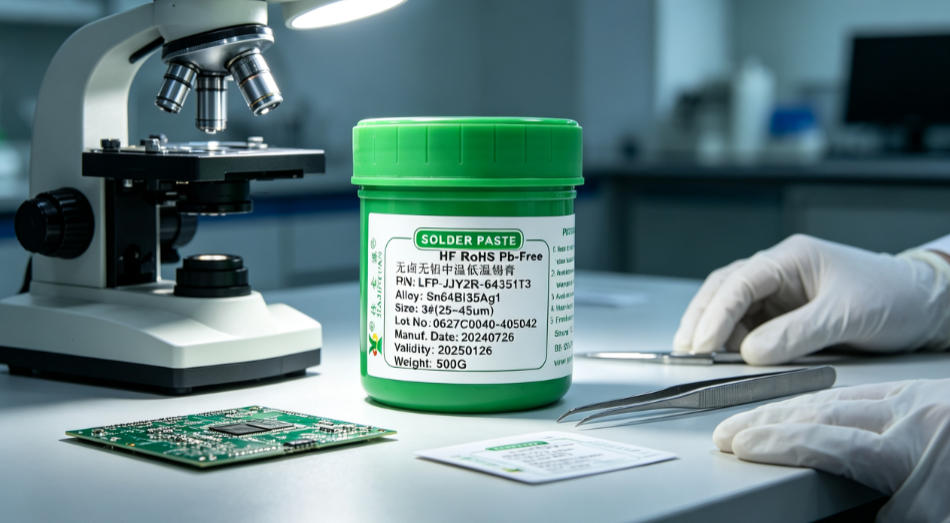
Common failures of soldering consumables in electronics factories directly hit production line pain points, covering solder paste printing misalignment, collapse, oxidation and skinning, solder wire soldering spatter, icicle formation, poor wetting, insufficient activity of soldering paste and whitening residue, etc. Combined with 20 years of SMT practical experience, immediately executable parameter adjustment and material control solutions are provided.
Published: 2012-04-18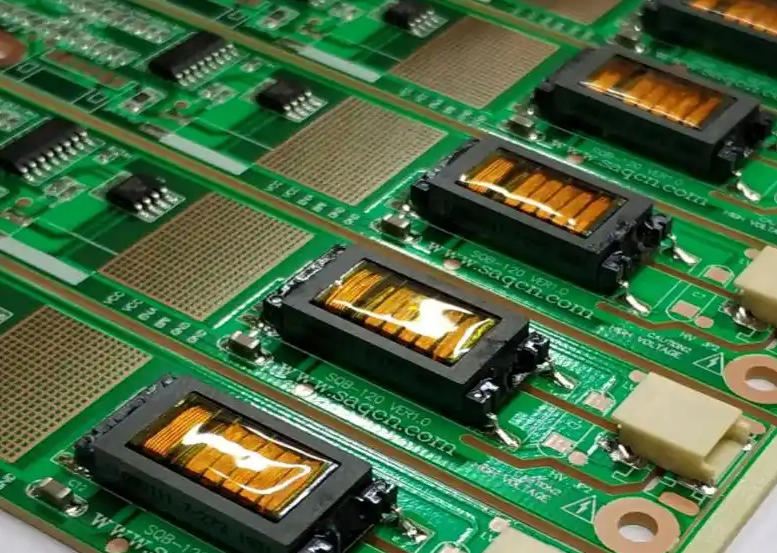
Excessively high activity of solder paste can cause welding hazards such as solder joint voids, component corrosion, solder ball splashing, and whitening residue on the PCB surface. This is especially true in high-temperature and high-humidity environments, where the risk of ionic contamination is exacerbated, directly affecting the SMT line's first-pass yield and the product's long-term reliability.
Published: 2012-02-20To address high-frequency defects such as cold solder joints, tombstoning, and misalignment when soldering 01005 components on precision small boards in consumer electronics, this solution focuses on stencil aperture optimization, solder paste rheological property matching, and closed-loop control of the Z-axis pressure of the placement machine. By reducing the stencil thickness from 0.1mm to 0.08mm and matching it with the Jiajinyuan J-105F solder paste with a thixotropic index of 2.35, the first-pass soldering yield of 01005 components is increased from 82.6% to 97.3%, while avoiding the risk of pad peeling caused by excessive squeegee pressure.
Published: 2012-01-23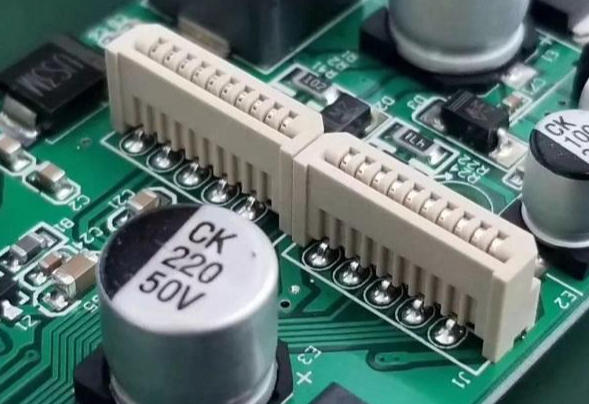
The frequency of adding wave soldering bars depends on the average daily soldering volume, temperature fluctuation of the solder pot, and the accumulation rate of impurities. Typically, additional solder bars need to be replenished every 8 to 12 hours. During replenishment, it is necessary to simultaneously clean the dross, calibrate the liquid level, and ensure that the new solder bars are preheated to above 180°C before being slowly immersed, so as to avoid unstable solder waves or aggravated oxidation caused by cold material impact.
Published: 2011-12-24Dip soldering is a core process for high-volume PCBA pin soldering. The composition, melting point, and oxidation control of wave soldering solder bars directly determine solder joint wettability and cold solder joint rate. Jia Jinyuan wave soldering solder bars can maintain a solder wave height deviation of ≤0.3 mm and a solder dross generation rate of less than 1.2% during 8 consecutive hours of production, significantly reducing fixture rework frequency.
Published: 2011-07-29Jia Jinyuan provides free solder sample testing and sample mailing services. All solder sample tests are conducted synchronously on real SMT placement lines and wave soldering production lines, covering mainstream packages such as 0201 to QFN48. The measured yield data can be traced back to the furnace temperature curve and AOI original image of each batch. The solder sample test results are directly related to the customer's existing stencil opening, reflow soldering temperature setting and flux compatibility.
Published: 2011-06-14Circuit board soldering covers core processes such as SMT placement, wave soldering, and manual soldering, each of which imposes stringent requirements on solder paste printing accuracy, temperature profile control, flux selection, and PCB board deformation tolerance. Production line tests by Jia Jinyuan show that for 0.3mm pitch QFN devices, a reflow soldering peak temperature deviation exceeding ±2℃ causes cold solder joints, while insufficient wave soldering fixture press-in depth below 0.15mm leads to through-hole solder joint climb height falling below the 0.75mm standard value.
Published: 2011-05-22Our technical team is always ready to provide professional solder material selection advice and SMT process solutions.