SMT Solder Paste Manufacturers.

Focused on SMT soldering processes, a one-stop electronic soldering solutions provider.

Here you can find knowledge about Wave Soldering Solder Bar, including but not limited to usage methods, installation techniques, troubleshooting and more. Focused on SMT soldering processes. If you can't find what you need, please contact us anytime.

Excessive impurities in solder bars directly cause wave soldering defects, common defects include solder spike, bridging, cold solder joint and PCB surface blackening. Solder bars with copper content >0.3wt%, iron content >0.02wt%, and arsenic content >0.005wt% are highly likely to cause reduced solder fluidity, increased dross, and increased wetting angle at a soldering temperature of 255℃±5℃.
Published: 2026-08-27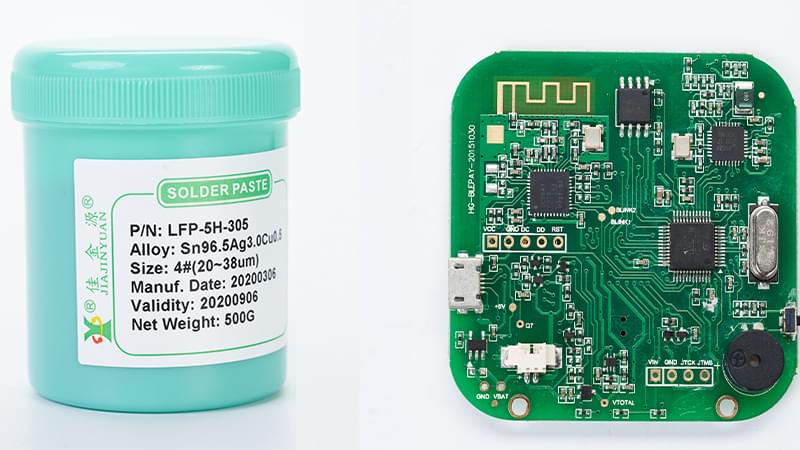
Wave soldering is mainly used for making soldering software, while reflow soldering is used for maki
Published: 2026-05-12Thick copper board welding must address three major challenges: large heat capacity, rapid heat dissipation, and difficult wetting caused by copper surface oxidation. During the SMT placement stage, the reflow peak temperature must be increased to 265℃±3℃ and the time above the liquidus line must be extended to over 90 seconds. For wave soldering, a combination of high-activity no-clean flux with a preheating temperature of 150℃, wave height of 10mm, and conveyor angle of 5° must be used. Otherwise, cold solder joints, excessive solder joint void rates, and pad peeling on thick copper PCBs are highly likely to occur.
Published: 2025-02-16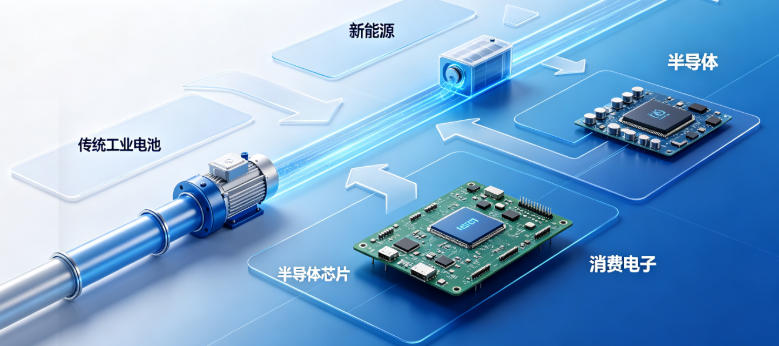
The voids in solder joints formed by bar solder wave soldering are closely related to the material properties of the solder bar. Excessive impurity elements such as arsenic and antimony in high-purity lead-free solder bars will significantly aggravate void formation, while an imbalanced tin-copper alloy ratio or fluctuations in silver content directly affect the surface tension and wetting behavior in the molten state, thereby altering the gas escape paths inside the solder joint.
Published: 2025-01-19
Whether solder bars can be mixed depends on the compatibility of alloy compositions and the matching degree with the process window of the wave soldering machine. Mixing different alloy solders can easily lead to risks such as melting point shift, uneven wetting, and embrittlement of solder joints. In actual production lines, common phenomena include increased solder dross, solder joint spikes, or cold solder joints. It is recommended to give priority to using solder bars from the same manufacturer and the same batch to ensure the stability of the alloy solder composition and the consistency of soldering.
Published: 2024-06-27Dip soldering is a key process that completes batch soldering by vertically immersing PCB pins into the surface of molten solder using a manual dip soldering machine or a wave soldering machine. Its core lies in the coordinated control of solder temperature, immersion depth, and dwell time. Jiajinyuan equipment has verified in actual production lines that a temperature control accuracy of ±2℃ and a standard dip soldering window of 0.8~1.2 seconds can effectively suppress defects such as cold solder joints and bridging.
Published: 2024-04-29The solder manufacturer provides full-cycle support for wave soldering processes on SMT production lines, covering solder bar selection, wave parameter matching, dross control, and root cause analysis of solder bridges and missed soldering. Jiajinyuan solder manufacturer, through on-site stationed debugging and dynamic monitoring of molten solder metal composition, helps customers increase the first-pass yield of wave soldering from 89.3% to 99.1%, significantly reducing manual rework hours and cold solder joint repair costs.
Published: 2023-07-25Solder dross is continuously generated during continuous wave soldering, and its production volume is directly affected by solder pot temperature, conveyor speed, flux activity, and PCB design. Production line data from Jia Jinyuan shows that every 0.5 kg/h increase in dross increment raises the material cost per board by 0.32 yuan. Therefore, dross volume control is not an auxiliary step, but the true cost control center of the wave soldering process.
Published: 2023-05-03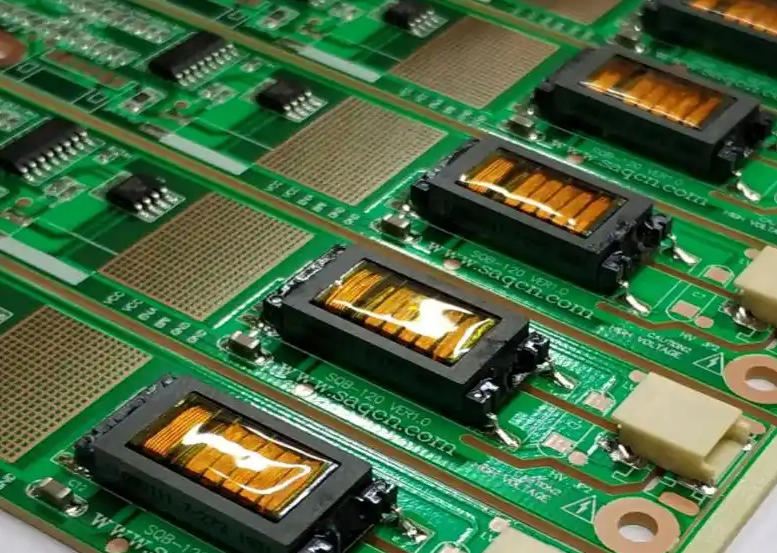
The temperature control range of solder bars in wave soldering machines is typically 250°C to 265°C, which should be comprehensively adjusted based on the alloy composition of the solder bar, PCB thickness, component density, and flux activity. Excessively high wave soldering temperatures can easily cause copper foil peeling and thermal damage to components, while excessively low temperatures can lead to cold solder joints, solder spikes, and bridging. In actual production lines, dynamic fine-tuning must be performed by combining solder fluidity tests and solder joint cross-section analysis.
Published: 2022-11-29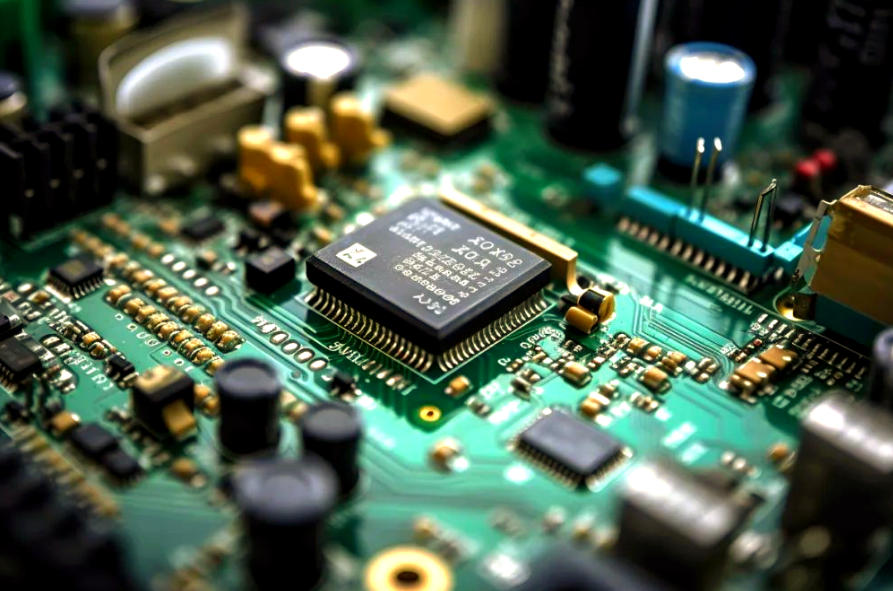
Excessive wave soldering dross directly affects soldering yield and the consumption cost of solder bars. Common causes include high impurity content in solder bars, uncontrolled wave soldering temperature, severe carbonized flux residue, excessive stirring of the solder pot, and insufficient nitrogen protection. Solutions require coordinated efforts across multiple dimensions, including solder bar selection, temperature profile optimization, regular dross removal frequency, flux volatilization control, and nitrogen purity monitoring.
Published: 2021-10-21Our technical team is always ready to provide professional solder material selection advice and SMT process solutions.