SMT Solder Paste Manufacturers.

Focused on SMT soldering processes, a one-stop electronic soldering solutions provider.

Here you can find knowledge about Tin Ingot, including but not limited to usage methods, installation techniques, troubleshooting and more. Focused on SMT soldering processes. If you can't find what you need, please contact us anytime.
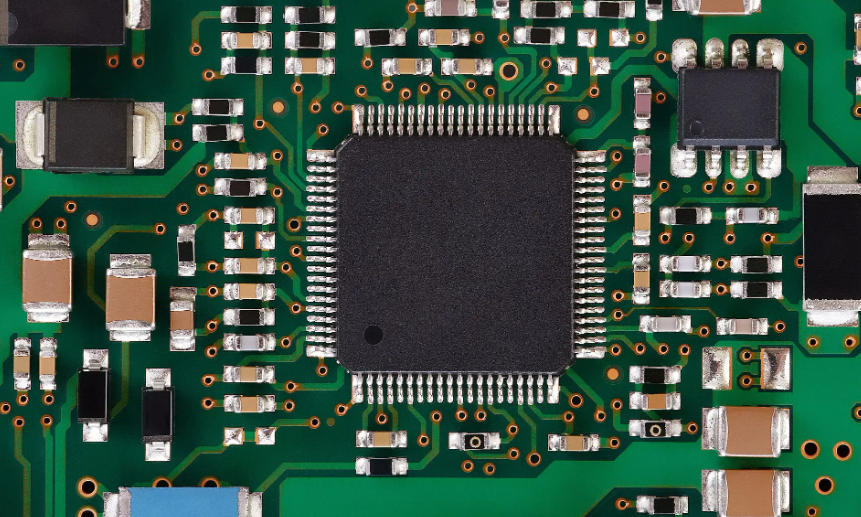
Industry research data for January 2026 shows that demand for SMT solder increased by 12.3% year-on-year, mainly driven by the mass production of new consumer electronics products, the rising penetration rate of multi-layer PCBs in automotive electronics, and the ramp-up of AI server orders. Meanwhile, raw material price fluctuations and delivery uncertainty are forcing leading EMS manufacturers to collaborate with solder suppliers to build VMI warehousing and distribution systems. The localized response capability and batch consistency of the SMT solder supply chain have become key variables in production line yield control.
Published: 2026-01-31
Low-temperature solder wire is suitable for soldering heat-sensitive components such as MLCCs, tantalum capacitors, LED beads, CMOS image sensors, and flexible FPCs. Its 138℃ melting point significantly reduces the risk of thermal shock. Combined with the moderately active rosin core and low residue, it balances wettability and component reliability in both SMT reflow and manual touch-up soldering.
Published: 2026-01-08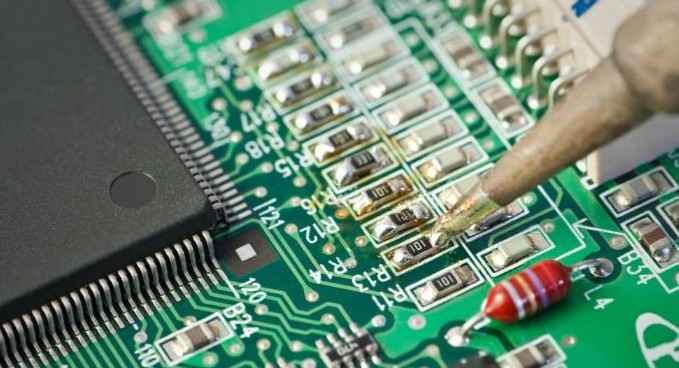
Addressing the industry pain point that solder joints on new energy electronic control boards are prone to cracking and have insufficient reliability under high-low temperature cycling conditions, Jiajinyuan has launched a variety of halogen-free and lead-free high-temperature solder pastes, covering segmented scenarios such as high solder climb for QFN/DFN, low void rate, zero halogen, and laser welding. Its 0307, 305 and other alloy systems at 240
Published: 2026-01-04Tombstoning is a common defect in the SMT printing process. Replacing the solder paste with better adaptability and synchronously adjusting the squeegee pressure, speed, and release parameters can significantly reduce the incidence of tombstoning. Jiajinyuan JY-808 series solder paste exhibits superior shear-thinning properties and release consistency in 0.3mm fine-pitch printing.
Published: 2025-12-20By subjecting industrial control motherboard solder samples to combined accelerated aging, temperature cycling, and vibration stress tests, we realistically simulate a decade of service environment on the production line, focusing on the microcrack propagation rate of solder joints, changes in IMC layer thickness, and shear force attenuation trends, to provide reproducible failure boundary data for JJY's industrial control motherboard solder selection and reflow parameter optimization.
Published: 2025-11-25
Low-temperature solder paste is suitable for heat-sensitive components such as MLCCs, LED beads, flexible printed circuits, and connectors with plastic housings. Its melting point is typically 138°C to 170°C, more than 50°C lower than that of traditional solder paste, which can significantly reduce the risk of thermal stress damage, while imposing higher requirements for reflow soldering zone settings and nitrogen protection.
Published: 2025-08-20SMT quality control should focus on reviewing and categorizing defective products, reverse-engineering process parameter deviations through typical defects such as solder paste printing offset, reflow soldering cold joints, and placement misalignment. Combined with the response characteristics of Jiajinyuan equipment, continuously calibrate squeegee pressure, stencil tension, and reflow profile, closing the loop of issues in first article confirmation and in-process inspection.
Published: 2025-08-06To address the frequent occurrence of bridging defects in the SMT process, we optimized the matching of stencil aperture size and thickness, adjusted the collaborative parameters of squeegee pressure and speed, and selected Jia Jinyuan anti-rheology solder paste to reduce the tendency of post-printing slump. This significantly reduced bridging caused by solder overflow on fine-pitch components such as 0402 and 0603, and improved the first article pass rate and first-pass yield.
Published: 2025-08-01The solder sample testing focuses on measured furnace temperature profile data and stencil aperture parameter adjustments. By comparing the differences in printing accuracy, reflow wettability, and cold solder joint rate between old and new Jia Jinyuan solders, the process adaptability of the new solder in 0201 components and fine-pitch QFN packages is verified, providing a reproducible parameter baseline for mass production switching.
Published: 2025-06-18PCBA reliability testing is a key method for verifying finished product solder joints in real service environments. Through three types of rigorous tests—temperature cycling resistance, random vibration, and damp heat aging—it exposes hidden defects such as cold solder joints, dry solder joints, and abnormal growth of interfacial intermetallic compounds. In particular, it provides data support for solder joint failure modes of high-density packages such as BGA and QFN, offering a direct basis for JJY's production line process optimization and customer delivery risk control.
Published: 2025-06-13Our technical team is always ready to provide professional solder material selection advice and SMT process solutions.