SMT Solder Paste Manufacturers.

Focused on SMT soldering processes, a one-stop electronic soldering solutions provider.

Here you can find knowledge about Alloy Solder, including but not limited to usage methods, installation techniques, troubleshooting and more. Focused on SMT soldering processes. If you can't find what you need, please contact us anytime.
The pin dip soldering lead-free alloy process, by precisely controlling dip soldering temperature, time, and alloy composition ratio, effectively avoids the ROHS compliance risks of traditional lead-containing processes. It has been stably operating on multiple export production lines of JJY for over three years, with its solder joint wettability, thermal fatigue resistance, and surface gloss all meeting the requirements of the IEC61191-2 standard.
Published: 2022-02-12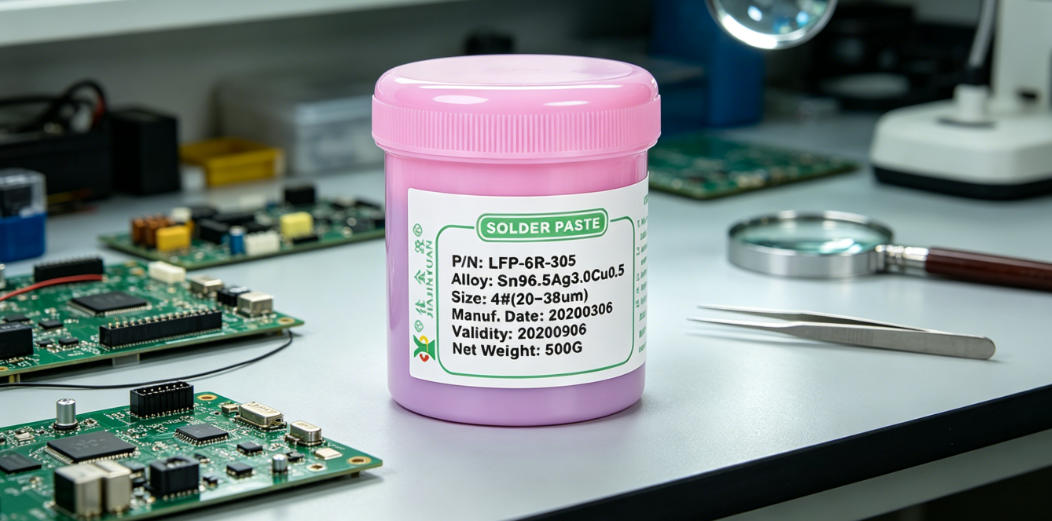
Although solder wires, solder bars and solder paste all belong to the lead-free solder system, differences in their forms lead to different design logics for alloy composition. In actual production lines, mixing them easily causes problems such as poor wettability, increased void rate and whitening residue after reflow soldering. The alloy ratios of the three cannot be simply interchanged; dedicated formulations matching the corresponding form must be selected according to process requirements.
Published: 2021-05-30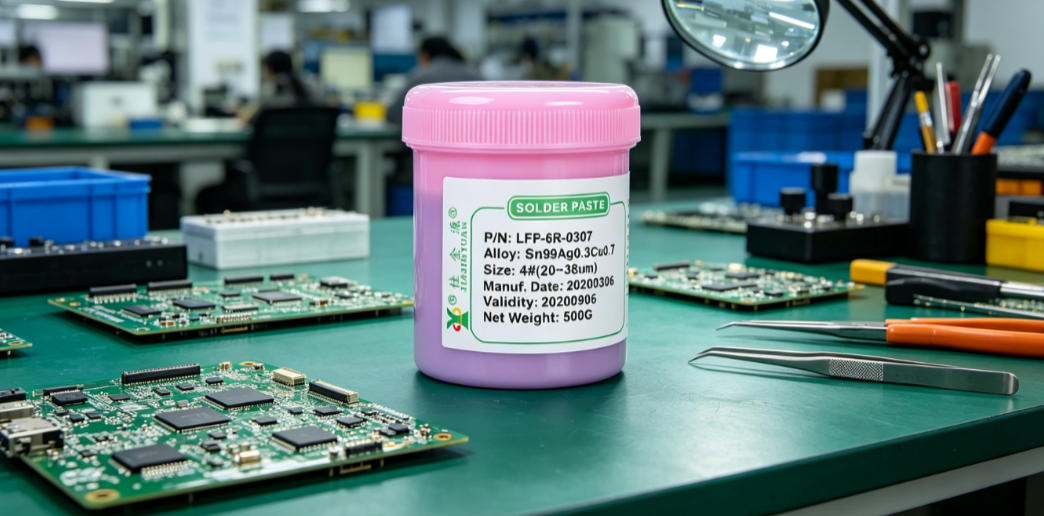
The solder paste reflow profile must be dynamically adjusted according to the alloy composition, melting point range, and flux activity. For example, SAC305 requires a peak temperature of 235℃±5℃ and a time above liquidus of 60~90 seconds, while Sn63/Pb37 requires a peak temperature of 220℃±3℃ and a time above liquidus of 45~60 seconds. The metal powder particle size distribution and oxidation level of different solder pastes also significantly affect the ramp-up rate and soak zone settings.
Published: 2021-01-27The sphericity, particle size distribution, and oxidation level of tin powder particles in SAC solder paste directly affect the release integrity and pad coverage during solder paste printing. Actual production lines have found that spherical tin powder with a D50 of 25μm can achieve a release rate of over 92% on a 38μm aperture stencil. When the D50 deviation exceeds ±1.5μm or the oxygen content is >0.5wt%, the defect rates of solder bridging and insufficient solder increase by more than 3 times. The process compatibility of solder paste, SAC solder paste, and tin powder solder paste must be based on measured particle parameters.
Published: 2018-04-13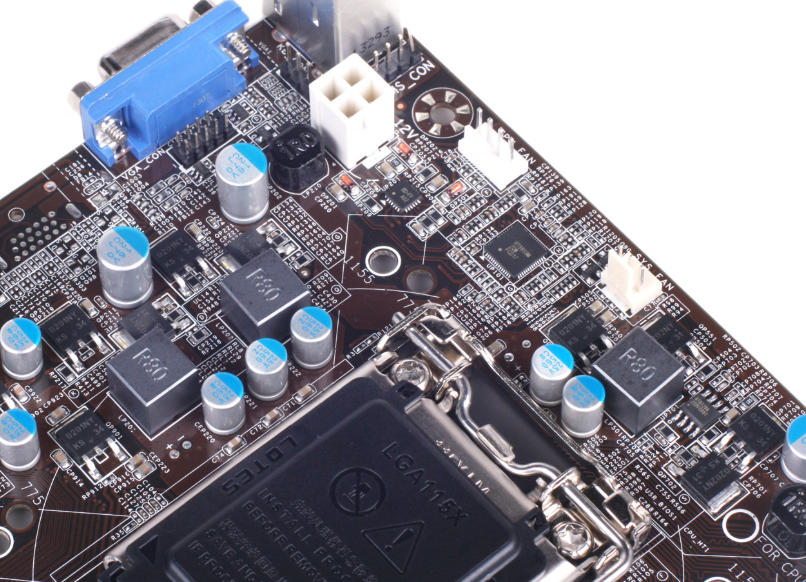
Wave soldering bar selection must closely align with actual production line performance. Sn99.3Cu0.7 solder bars are low-cost with acceptable oxidation resistance, but have weak wetting force. Silver-containing alloys improve fluidity and solder joint strength, but significantly increase costs. The differences between the two are particularly prominent in high-temperature continuous operation, fine-pitch through-hole soldering, and lead-free compatibility. Engineers must comprehensively determine the applicable boundaries of SnCu solders based on board thickness, component density, and rework rate.
Published: 2016-10-30
Prolonged high-temperature operation of solder bars in a wave soldering furnace can indeed cause micro-segregation of alloy components. Particularly when tin-lead or lead-free solder bars are continuously exposed to temperatures above 260°C with insufficient bath surface agitation, elements such as lead, silver, and copper may locally enrich due to differences in density and oxidation rate. However, within the standard 8-hour solder replacement cycle, compositional variations remain well below the tolerances permitted by IPC-J-STD-006. What truly affects soldering stability is often the accumulation of dross and carbonized flux residues.
Published: 2015-10-14Fluctuations in the alloy composition of solder paste directly undermine its soldering stability, causing batch defects such as cold solder joints, bridging, and poor wetting. Especially in high-density placement scenarios like 0201 components and 0.4mm pitch QFN packages, even a ±0.05wt% deviation in the tin-silver-copper ratio of the alloy solder paste can lead to a drop of over 12% in post-reflow solder joint thrust. Therefore, continuous monitoring of solder paste quality is a critical line of defense to ensure the SMT first-pass yield.
Published: 2015-05-21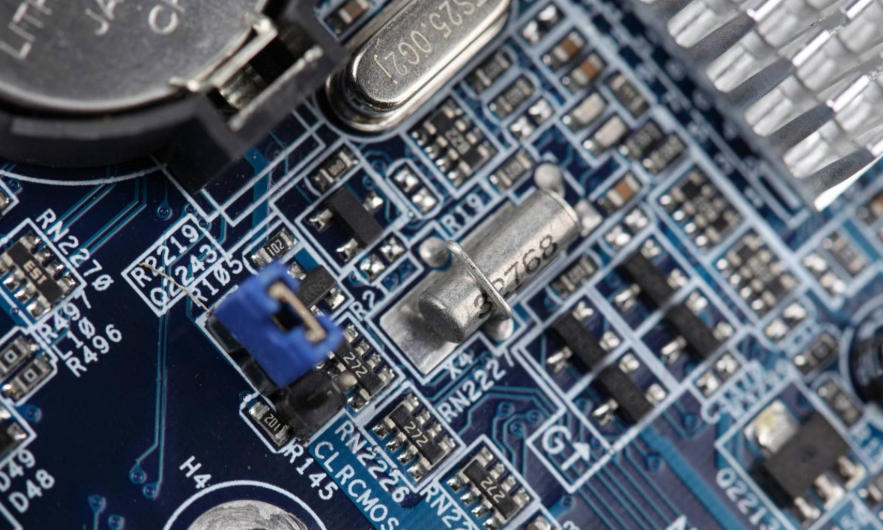
The oxidation resistance of solder bars and the amount of tin dross generated are highly dependent on the alloy composition. The Sn99.0Ag0.3Cu0.7 eutectic solder bar containing 0.3% silver and 0.7% copper exhibits a 40% improvement in oxide film compactness during wave soldering at 250°C, with a measured tin dross rate 65% lower than that of pure tin. While adding trace amounts of nickel or germanium can refine the grain structure, it tends to cause spattering. Production line verification shows that its overall stability is inferior to that of the classic ternary formulation.
Published: 2014-09-08Based on measured production line data, this paper compares the differences among SAC305 solder paste, SAC0307 solder paste, and low-temperature tin-bismuth solder paste in terms of printability, reflow performance, and solder joint reliability. It highlights the wetting advantages of SAC solder paste in the high-temperature zone and the irreplaceability of tin-bismuth solder paste in soldering temperature-sensitive components, providing reproducible criteria for process selection.
Published: 2010-01-22Our technical team is always ready to provide professional solder material selection advice and SMT process solutions.