SMT Solder Paste Manufacturers.

Focused on SMT soldering processes, a one-stop electronic soldering solutions provider.

Here you can find knowledge about Alloy Solder, including but not limited to usage methods, installation techniques, troubleshooting and more. Focused on SMT soldering processes. If you can't find what you need, please contact us anytime.
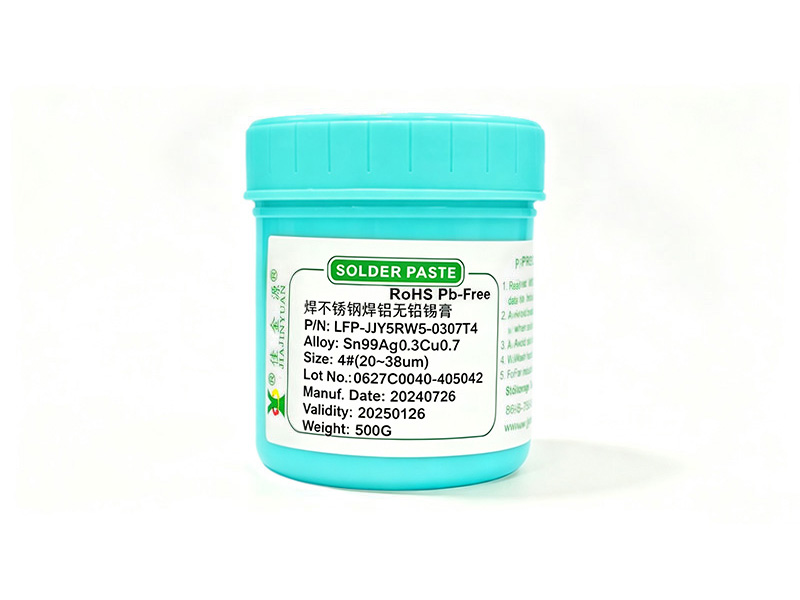
LFP?5RW5?0307 special water-wash solder paste provides solutions for the challenges of soldering aluminum and stainless steel. Its unique formula and process parameters effectively improve soldering quality, making it suitable for SMT production scenarios involving complex metal materials.
Published: 2026-08-28
The reliability of SMT solder joints is highly dependent on the compositional design of solder paste alloys. Common misconceptions, such as blindly selecting high-lead replacement materials or neglecting the ratio of trace silver and copper elements, can lead to cold soldering, whisker growth, and thermal fatigue cracking. This article directly addresses five real operational errors on the production line, ranging from alloy element segregation and mismatched reflow windows to the risks of batch mixing. It breaks down the root causes of hazards one by one and provides immediately actionable process correction measures.
Published: 2026-08-27
Wave soldering solder bar alloy selection must focus on two core hard indicators: purity and oxidation resistance of the solder bar. High purity (≥99.95%) can reduce the generation of dross by more than 40%, while the oxidation-resistant formulation with trace rare earth elements can reduce the thickness of the oxide film on the surface of the liquid solder bath by 60%, significantly extending the service life of the solder bar and improving the wettability of through-hole solder joints.
Published: 2026-08-27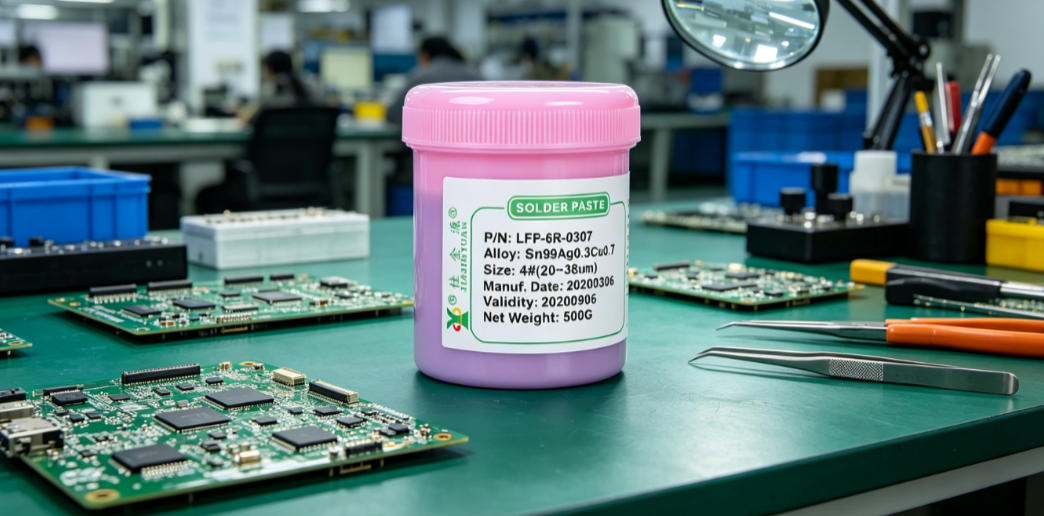
The SAC305 and Sn99.3Cu0.7 solder paste alloys exhibit significant differences in actual SMT production lines. SAC305 has better wettability and thermal fatigue resistance, while Sn99.3Cu0.7 offers lower cost and a narrower melting range window due to its silver-free composition. For both alloys, dynamic trade-offs must be made in terms of printability, reflow void rate, solder joint strength, and long-term reliability, taking into account specific component types, board thickness, and reflow oven temperature zone configuration.
Published: 2026-08-27
Improper temperature setting of the wave soldering pot is one of the main causes of cold solder joints, bridging, and poor wetting. There are significant differences in melting point and activity among different solder bar alloys. The wave soldering pot temperature must be accurately set according to the actual type of solder bar alloy used; otherwise, it can easily cause batch soldering defects.
Published: 2026-08-27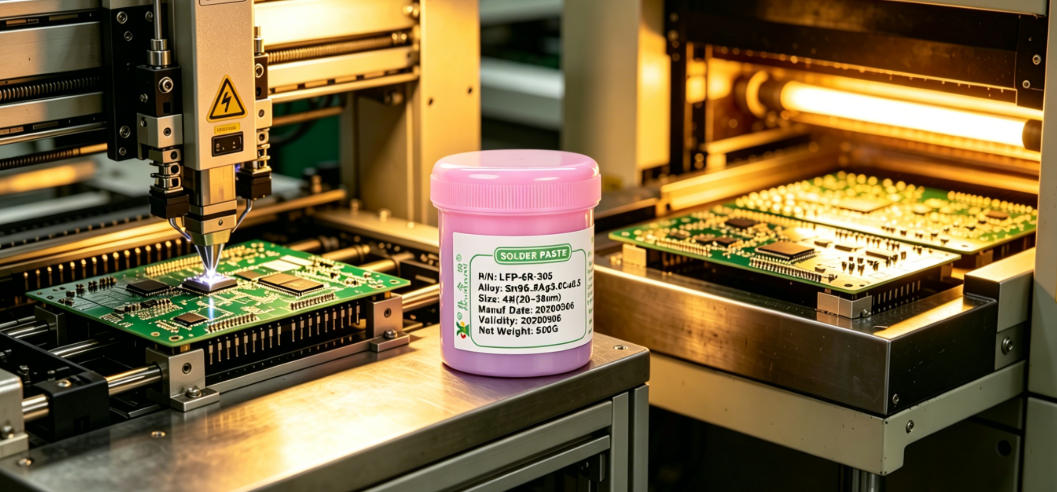
The selection of SMT stencil thickness is shifting from experience-driven to solder paste alloy property adaptation-driven. Lead-free high-melting-point alloys have pushed the proportion of ultra-thin stencils below 0.12mm to 38%, while low-temperature solder paste has shown a 12% increase in collapse rate on 0.15mm stencils in production line measurements. Process engineers need to dynamically adjust stencil thickness based on three key factors: alloy melting point, powder particle size, and flux activity.
Published: 2026-08-27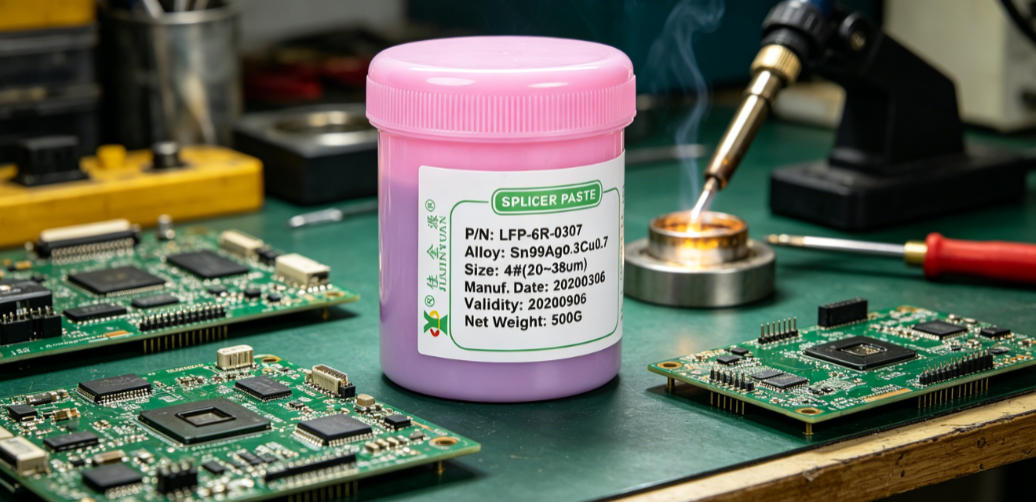
The whitening of wave soldering joints is mostly caused by insufficient purity of solder bars. GB/T 8012—2013 stipulates that the Sn content in tin-based solder shall not be less than 99.3%, the upper limit of Pb impurity is 0.005%, and the total content of harmful elements such as As, Sb, and Bi shall not exceed 0.01%. In actual production lines, every 0.1% decrease in solder bar purity may increase the thickness of the solder joint oxide film by 12%, leading to an abnormal increase in reflectivity and a grayish-white appearance.
Published: 2026-08-27
For the selection of solder wire and solder bar alloys for equipment operating in high-temperature environments, this article directly addresses the real pain points of SMT production lines. Focusing on five core issues: melting point matching, thermal fatigue resistance, wettability degradation, flux residue corrosion, and oxide film suppression, it provides immediately actionable troubleshooting paths and process adjustment measures. All solutions are validated by 20 years of on-site commissioning data, with no theoretical explanations—only practical guidance.
Published: 2026-08-27
Whether solder bars can be mixed depends on the compatibility of alloy compositions and the matching degree with the process window of the wave soldering machine. Mixing different alloy solders can easily lead to risks such as melting point shift, uneven wetting, and embrittlement of solder joints. In actual production lines, common phenomena include increased solder dross, solder joint spikes, or cold solder joints. It is recommended to give priority to using solder bars from the same manufacturer and the same batch to ensure the stability of the alloy solder composition and the consistency of soldering.
Published: 2024-06-27The stability control of batch viscosity and alloy fluctuation of solder paste focuses on the root causes of solder paste quality fluctuations in actual production lines. By real-time monitoring of viscosity changes and alloy composition deviations of batch solder paste, combined with dynamic calibration of printing parameters, it effectively suppresses defects such as insufficient solder, solder bridging, and solder collapse caused by batch differences in solder paste, and practically improves the SMT first-pass yield and long-term process capability.
Published: 2022-10-11Our technical team is always ready to provide professional solder material selection advice and SMT process solutions.