SMT Solder Paste Manufacturers.

Focused on SMT soldering processes, a one-stop electronic soldering solutions provider.

Here you can find knowledge about Soldering Material, including but not limited to usage methods, installation techniques, troubleshooting and more. Focused on SMT soldering processes. If you can't find what you need, please contact us anytime.
The one-stop provision of PCBA soldering materials must closely align with the actual needs of the production line. As a core material, solder paste must match stencil apertures, reflow profiles, and component spacing. Jia Jinyuan solder paste shows no obvious slump during 24 consecutive hours of printing on 0.3mm pitch QFN. When paired with flux of the corresponding activity level, low-oxygen solder wire, and high-purity solder bar, it ensures consistent yield in SMT placement and manual soldering rework.
Published: 2018-05-23Cold solder joint is one of the most frequent soldering defects on SMT production lines. Pad oxidation and insufficient flux activity are the two main causes: the former prevents solder paste from wetting the copper surface, while the latter makes the oxide film difficult to remove. When the two factors overlap, the incidence of cold solder joint can increase by more than 3 times. The Jiajinyuan JHY-805 series flux has a measured wetting angle of <25° on OSP boards, effectively suppressing the formation of cold solder joints.
Published: 2018-05-09During PCB pad processing, the soldering performance of ENIG, Immersion Silver and OSP processes differs significantly. The ENIG layer is oxidation-resistant but has poor wettability, requiring high-activity solder paste. Immersion Silver is prone to sulfidation discoloration and sensitive to reflow peak temperature. Uneven OSP film thickness can cause local non-wetting. The three processes must be managed differentially in stencil aperture design, reflow profile setting, and incoming material storage conditions.
Published: 2018-04-13During the pin dip soldering process, oxidation of the solder bath surface is the main cause of continuous dross generation. Jiajinyuan anti-oxidation flux, through the synergistic effect of dynamic coverage and active ingredients, forms a dense inert film on the solder bath surface, reducing the oxidation rate by more than 70% during pin dip soldering, cutting daily dross production by 1.2kg, significantly extending the cleaning cycle of the solder pot, and stabilizing solder joint wettability.
Published: 2018-03-24To address persistent issues such as uneven solder paste deposition, cold soldering, and solder bridging during thick copper foil soldering on multilayer boards, this paper draws on 20 years of measured data from Jia Jinyuan's production lines, focuses on precise solder paste dosage control methods, and details the matching logic for thick copper solder paste printing parameters, covering key actions such as stencil aperture design, squeegee pressure and speed coordination, and SPI detection threshold setting before reflow soldering.
Published: 2018-02-09Cold soldering is one of the most stubborn soldering defects in SMT production of large thick copper boards, occurring frequently especially on PCBs with copper thickness ≥2oz and dimensions ≥400mm×300mm. The root cause is that the large heat capacity of the copper substrate and delayed temperature rise lead to insufficient solder paste reflow. In production line tests, Jiajinyuan cold soldering repair paste can reduce the cold soldering defect rate from 1.8% to below 0.3%.
Published: 2018-02-07The standard for solder paste warm-up directly determines printing accuracy and solder joint reliability. Insufficient warm-up will lead to typical soldering defects such as high solder paste viscosity, poor demolding, solder paste collapse, and cold solder joints. Solder paste must strictly follow the 4-hour room temperature warm-up specification before use to avoid batch SMT defects caused by rushed production line launch.
Published: 2018-01-30Connector solder must balance wettability, residue control, and thermal shock resistance. Jia Jinyuan solder wires and bars can achieve capillary filling within 0.3 seconds in terminal dip soldering, maintain a bridging rate below 0.08% at an automatic soldering track speed of 1.2 m/min, and meet the dual-mode soldering requirements of 0.5mm-pitch FPC connectors and IDC crimp terminals.
Published: 2018-01-17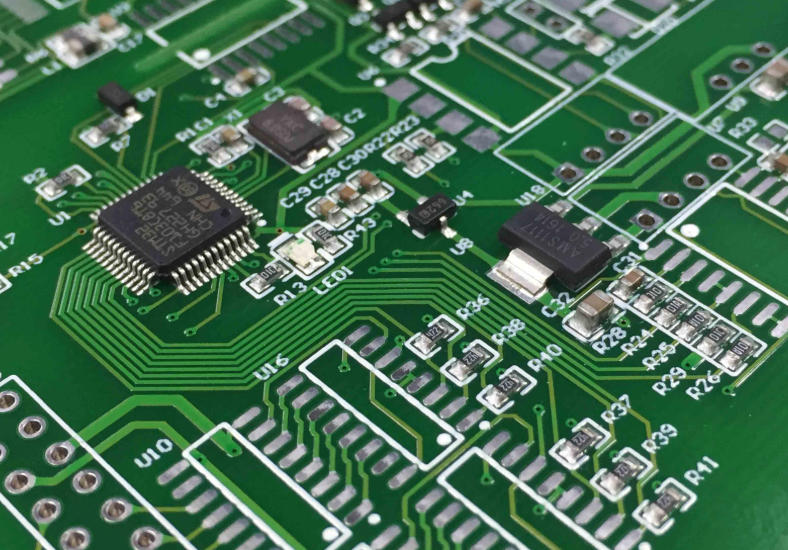
The solder paste itself is non-conductive; its metallic components are encapsulated by rosin or resin and remain in an insulating state when not melted. However, before reflow soldering, excessive residue, printing misalignment, or incomplete cleaning may still cause circuit short circuits due to ionic residue or solder bead bridging. In actual production lines, over 85% of short circuit problems stem from process control failures rather than the intrinsic conductivity of the solder paste.
Published: 2018-01-14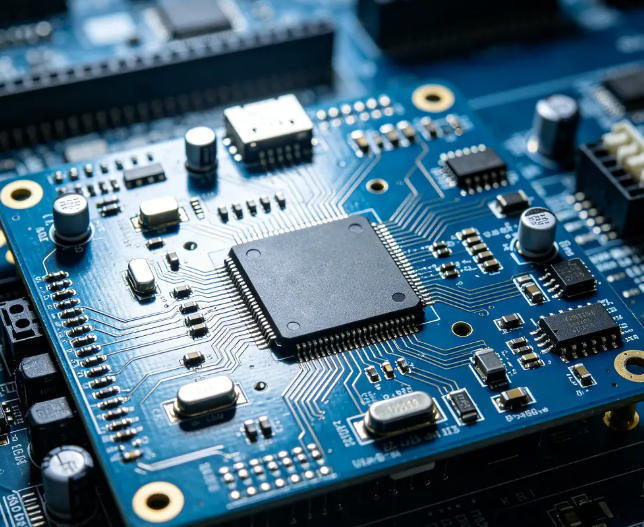
A break in the rosin core of solder wire causes interrupted flux supply, poor wetting, and frequent cold solder joints during soldering. In actual production lines, this often manifests as dull solder joints, sharp spikes, and increased spattering, with problems becoming especially apparent during continuous wire feeding or manual touch-up soldering. Deviations in the concentricity between the solder wire and its rosin core, as well as fluctuations in the wire drawing process, are the root causes.
Published: 2017-12-21Our technical team is always ready to provide professional solder material selection advice and SMT process solutions.