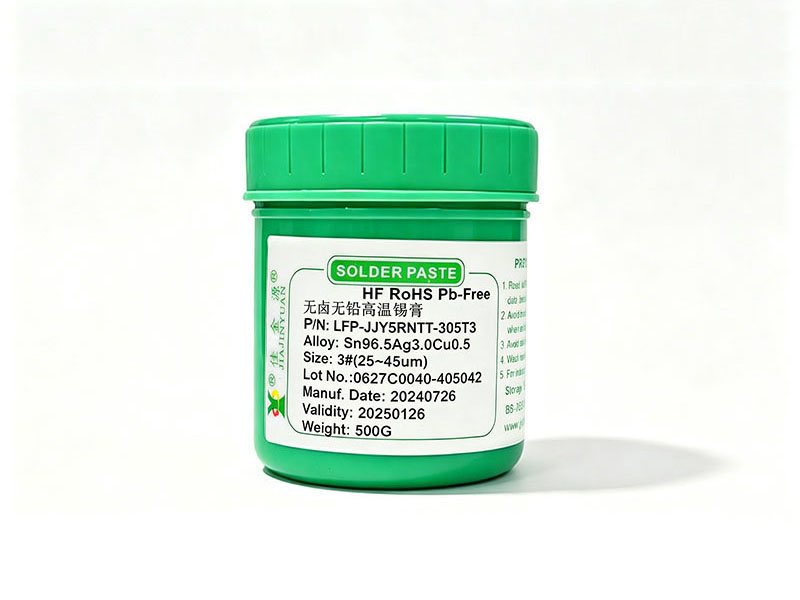
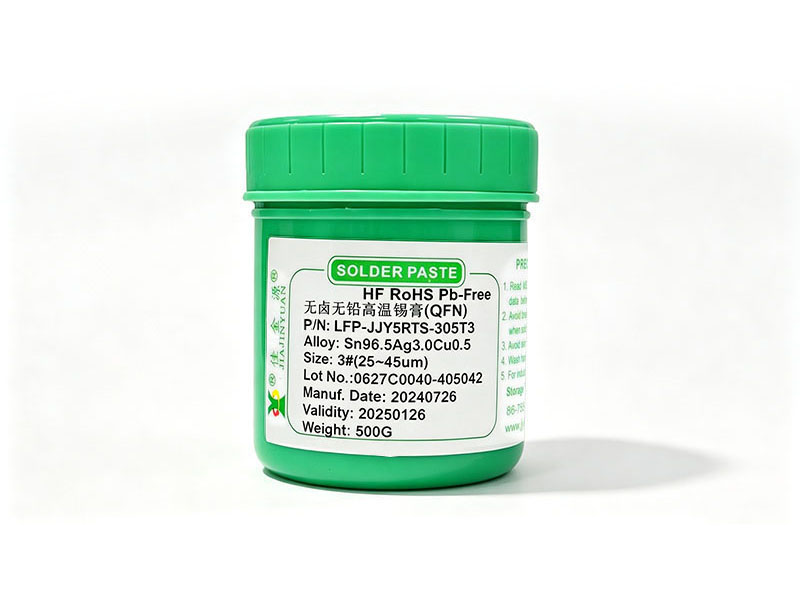
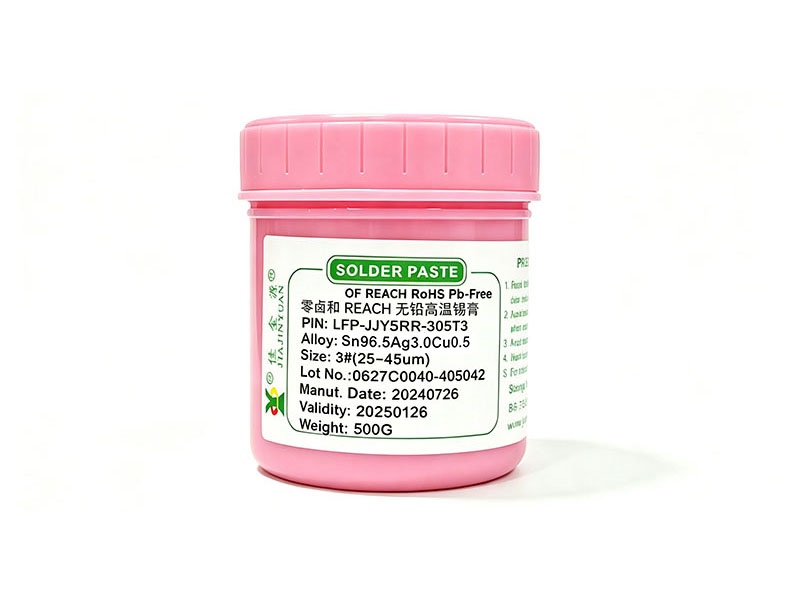
High-purity raw material selection is not optional but foundational to producing reliable Solder Bar alloy, because any deviation in elemental composition propagates directly into melting behavior, solidification microstructure, and final joint integrity, especially when manufacturing Sn96.5Ag3.0Cu0.5 or Sn63Pb37 grades where minor impurity accumulation alters eutectic temperature by more than 0.8°C and increases dross yield by up to 40% during continuous casting.
Tin feedstock must meet ASTM B339 Grade 1 specifications with minimum 99.99% purity, permitting no more than 10 ppm copper, 5 ppm iron, 3 ppm zinc, and 0.5 ppm arsenic, since copper above 15 ppm initiates coarse Cu6Sn5 intermetallic precipitation at grain boundaries, while iron contamination above 8 ppm forms hard, abrasive inclusions that accelerate crucible wear and introduce slag particles into molten alloy streams.
Silver raw material requires ≥99.999% purity certified by ICP-MS analysis, with strict caps of 0.3 ppm lead, 0.2 ppm bismuth, and 0.1 ppm antimony, because bismuth exceeding 0.25 ppm induces low-melting ternary phases that segregate during directional solidification and create micro-crack initiation sites under thermal cycling stress, whereas lead traces above 0.5 ppm degrade RoHS compliance and promote galvanic corrosion in humid environments.
Copper granules used in alloy blending must conform to ASTM B115 Grade A with oxygen content below 200 ppm and nickel impurity limited to 1 ppm, as excess oxygen generates Cu2O stringers during extrusion that fracture under shear loading, while nickel residues above 2 ppm catalyze excessive intermetallic growth during reflow and reduce solder joint ductility by over 25% in tensile testing.
Raw material batch certification must include full spectral scan data from certified labs, not just pass/fail statements, because spectral overlap between cobalt and arsenic near 193.7 nm or between molybdenum and chromium at 205.6 nm can mask critical contaminants unless high-resolution optics and matrix-matched calibration standards are applied, and without this level of verification, a single contaminated Tin Ingot can adulterate five tons of finished solder bar before detection.
Moisture absorption in raw metal powders must be controlled below 300 ppm prior to charging, since water reacts exothermically with molten tin above 250°C to generate hydrogen bubbles that become entrapped as spherical voids averaging 12–18 µm diameter in cast bars, reducing effective cross-sectional area and increasing current density hotspots during power device operation.
Alloy homogenization time depends entirely on initial raw material dispersion quality, because poor particle size distribution in copper additions leads to localized silver-rich zones that melt 15°C earlier than bulk matrix and cause premature slumping during wave soldering, while oversized tin granules delay dissolution and leave unalloyed dendrites that fracture during rolling and induce delamination in PCB pad interfaces.
Every incoming lot of raw material undergoes spark emission spectroscopy with argon purge and dual-standard referencing against NIST SRM 111 and 112, because air-gap excitation errors exceed ±1.2% for elements below 5 ppm without vacuum path stabilization, and failure to correct for atmospheric nitrogen quenching results in false low readings for phosphorus and sulfur that later manifest as brittle fracture surfaces after accelerated thermal aging.
Storage conditions for raw metals require desiccated nitrogen atmosphere with dew point ≤−40°C, because ambient humidity above 45% RH causes surface oxidation on silver flakes within 72 hours, forming Ag2O layers that resist Flux penetration and increase contact angle by 9° during first-pass printing, ultimately contributing to 18% higher skip defect rates in fine-pitch QFN assemblies.
Supplier qualification includes mandatory audit of their refining furnace slag chemistry records, because residual boron above 0.8 ppm in tin anodes introduces boride precipitates that nucleate voids at solder/PCB interface during reflow and reduce thermal cycle life from 2,500 to under 800 cycles in JEDEC JESD22-A104 testing.
Related Articles
- Raw Material Purity Standard for Solder Bar Alloy
- Microstructure Change of Solder Wire Joint
- Solder Paste, Solder Wire, Solder Bar Material Portfolio
- Solder Bar Production Quality Monitoring
- Active Flux Selection Guidance for Solder Paste
- Solder Wire Cost And Performance Balance
- Lead Free System Comparison of Solder Paste
- Joint Strength Characteristic of Solder Bar