SMT Solder Paste Manufacturers.

Focused on SMT soldering processes, a one-stop electronic soldering solutions provider.

Here you can find knowledge about Repair Solder Wire, including but not limited to usage methods, installation techniques, troubleshooting and more. Focused on SMT soldering processes. If you can't find what you need, please contact us anytime.
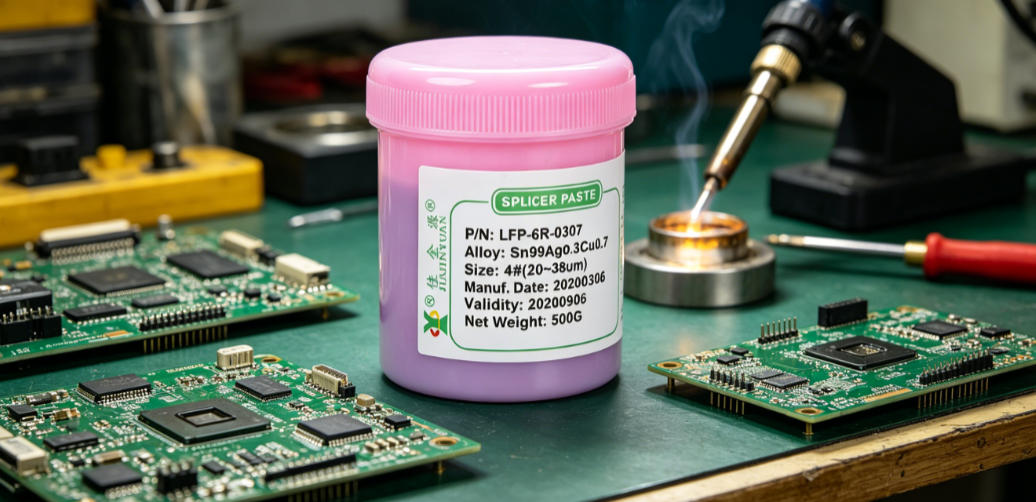
For the leakage welding issue of stainless steel cylinders, selecting the appropriate solder paste is key. A comprehensive judgment must be made based on material characteristics and welding environment to ensure welding strength and sealing performance.
Published: 2026-08-28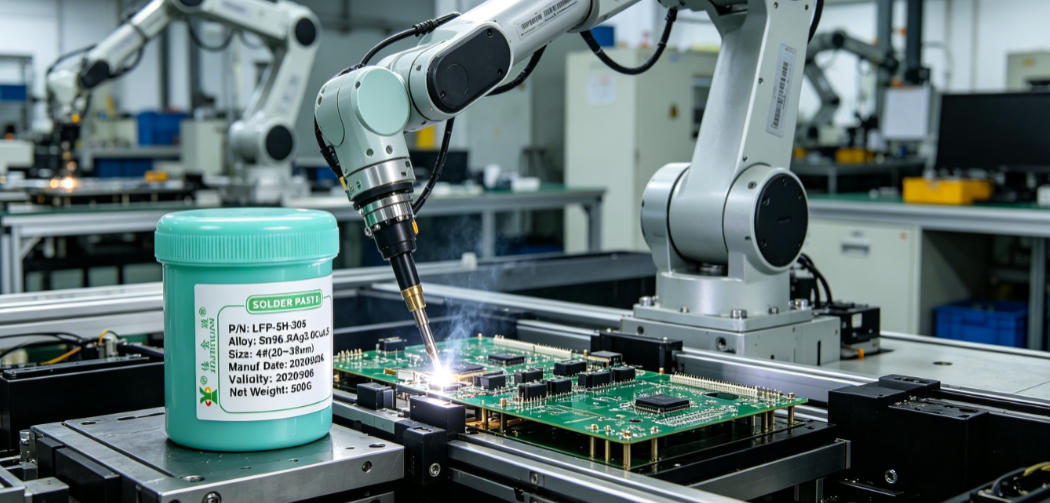
Frequent solder wire spattering during manual repair soldering has become a common pain point in production line rework processes. The root causes lie in the mismatch between the flux volatilization rate and the soldering iron heat conduction, excessive oxygen content in the solder wire, and improper operation rhythm. The industry is currently accelerating its development along three parallel tracks: low-spatter active solder wire, intelligent temperature-controlled soldering irons, and standardized repair soldering SOP. Frontline engineers need to simultaneously adjust their technique rhythm, verify incoming material batch data, and refine the granularity of on-the-job training.
Published: 2026-08-27Eutectic solder Sn63Pb37 solder wires and bars are the preferred material for reworking high-density devices such as BGA and QFN in the repair industry, thanks to their precise 183°C melting point, absence of pasty range, and excellent wettability. Jia Jinyuan's products of this model have demonstrated extremely low bridging rates and stable tensile strength values in actual production lines. With common diameter specifications ranging from 0.5mm to 1.2mm, they meet the dual requirements of manual soldering iron welding and hot air gun solder replenishment.
Published: 2025-02-02Manual soldering is an irreplaceable key process in circuit board repair and rework. Especially during BGA rework, 0201 component touch-up soldering, and operations in heat-sensitive areas of multilayer boards, the coordinated matching of soldering iron temperature, solder wire activity, and solder paste rheological properties directly determines solder joint reliability. Jiajinyuan solder paste stands out in low-temperature wettability, residue insulation, and reflow stability. When used with constant-temperature soldering irons and micro-diameter soldering tips, it can significantly reduce the risk of thermal damage.
Published: 2022-09-05When manually soldering and repairing old PCBs, oxidized solder pads cause poor tinning and frequent cold solder joints. High-activity solder wire significantly improves the first-pass soldering success rate through stronger oxide film penetration and lower wetting temperature, and is especially suitable for manual soldering rework scenarios of communication boards and industrial control motherboards in service for over 8 years.
Published: 2021-06-22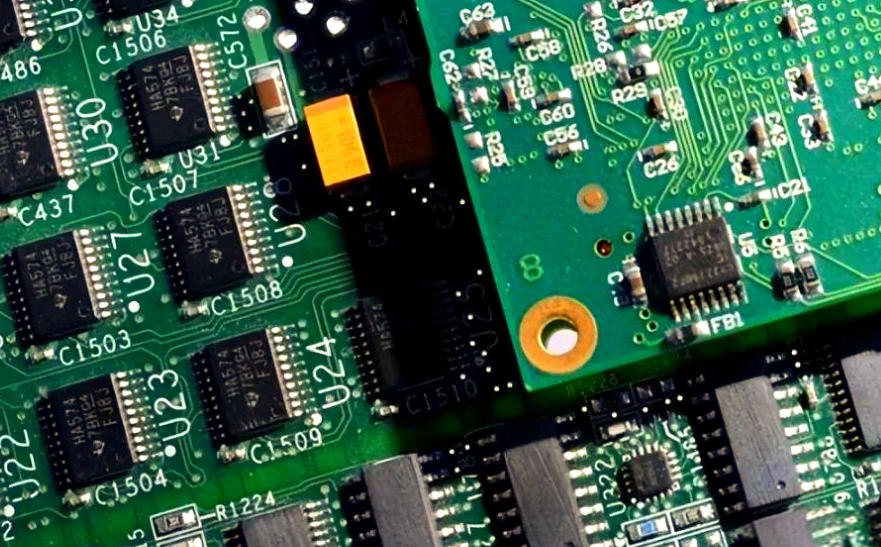
When choosing between syringe-packaged and bottled solder paste for mobile phone repair, the key factors are work precision, reapplication frequency, and solder ball control capability. Syringe packaging delivers stable paste output in high-precision electronic repair scenarios such as BGA ball mounting and flying wire soldering, and is less likely to contaminate PCBs. Bottled solder paste, while lower in cost, is prone to oxidation and introduces more impurities during dipping, which in turn increases the rate of cold solder joints and rework over long-term use.
Published: 2020-11-10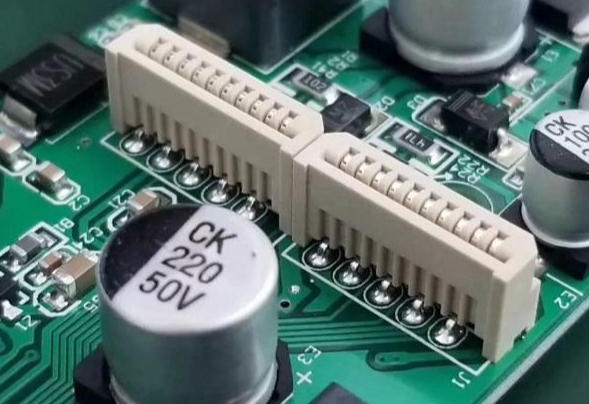
What solder paste to use for BGA repair and how to select the appropriate activity level directly affects the first-pass rework success rate and solder joint reliability. Production line verification by JJY shows that medium-activity RMA solder paste balances wettability and controllable residue in most BGA soldering scenarios; high-activity RA solder paste is only suitable for special chips with severe oxidation or poor plating, while no-clean solder paste must be paired with nitrogen-protected reflow conditions.
Published: 2018-06-29Rework soldering is a critical process in PCBA repair that demands extremely high precision and thermal control. This paper focuses on the full process of desoldering and replacing chips such as BGA and QFN, covering hot air gun parameter setting, stencil aperture matching, solder paste selection, and key points of post-soldering X-ray inspection. All parameters are derived from measured data on the JJY production line, emphasizing the coordinated control of temperature curve gradients, nozzle vacuum values, and PCB delamination risks.
Published: 2015-07-12
When manually repairing circuit boards, the selection of solder wire diameter directly affects solder joint formation and rework yield. 0.3mm solder wire is suitable for fine touch-up soldering and jumper wiring of small-size SMD components such as 0402 and 0603, while 0.5mm solder wire is more suitable for rapid tinning of QFP pins, power ground pads and large-area copper foils. 20 years of production line tests by JJY show that there are significant differences in melting consistency and wetting spreading ability between the two under the conditions of soldering iron temperature of 320℃ and dwell time of 2 seconds.
Published: 2014-01-28When reworking and welding precision motherboards, precise temperature control must be applied to protect surrounding micro components. The Jiajinyuan JRY-850B hot air system, paired with an infrared temperature gun for real-time feedback, controls the peak temperature of BGA solder joints at 235±2℃ and limits the temperature rise of surrounding 0201 resistors to below 120℃, avoiding PCB delamination or MLCC hidden cracks caused by thermal stress.
Published: 2014-01-10Our technical team is always ready to provide professional solder material selection advice and SMT process solutions.