SMT Solder Paste Manufacturers.

Focused on SMT soldering processes, a one-stop electronic soldering solutions provider.

Here you can find knowledge about Flux Content, including but not limited to usage methods, installation techniques, troubleshooting and more. Focused on SMT soldering processes. If you can't find what you need, please contact us anytime.
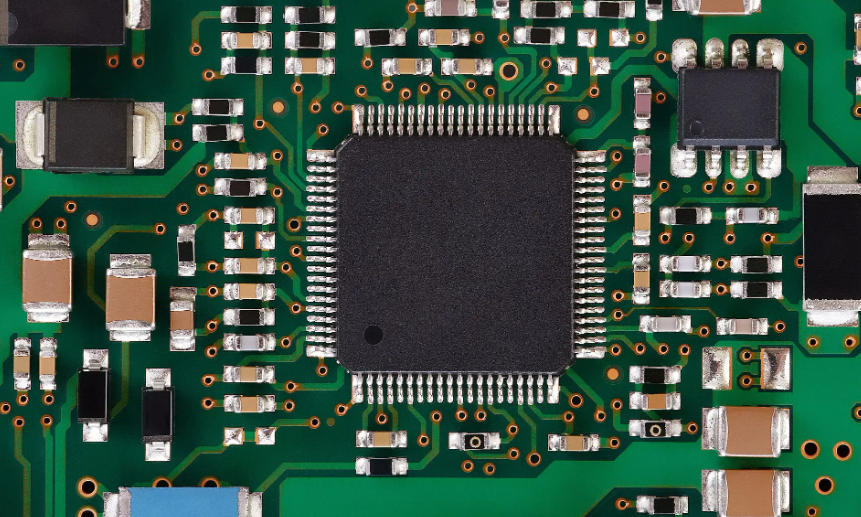
The division of application scenarios between solder paste and liquid flux depends on solder joint size, component density, and equipment compatibility. Solder paste is suitable for stencil printing or dispensing processes for 0201 and smaller micro components, while liquid flux is mostly used for through-hole insertion, rework on large solder pads, and pre-spraying before selective wave soldering. The two are often used in combination in SMT production lines according to process cycle time and residue control requirements.
Published: 2021-03-09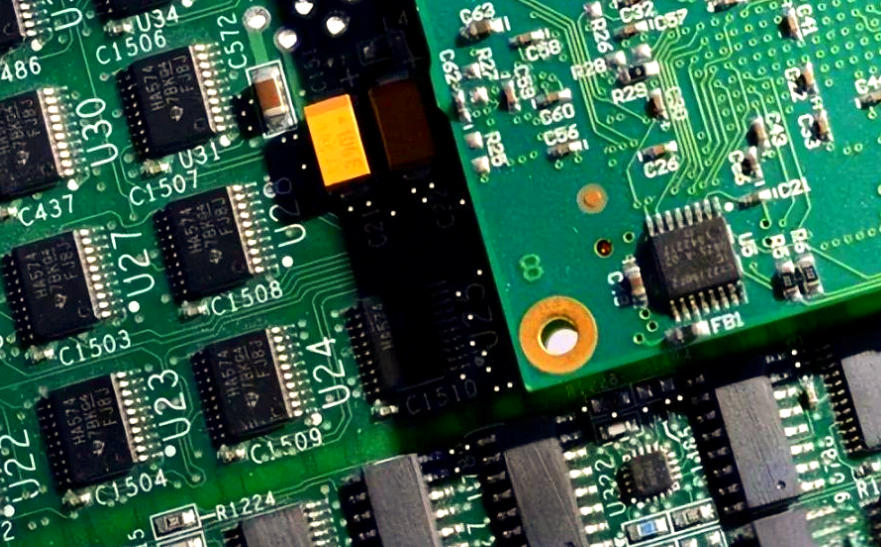
When choosing between syringe-packaged and bottled solder paste for mobile phone repair, the key factors are work precision, reapplication frequency, and solder ball control capability. Syringe packaging delivers stable paste output in high-precision electronic repair scenarios such as BGA ball mounting and flying wire soldering, and is less likely to contaminate PCBs. Bottled solder paste, while lower in cost, is prone to oxidation and introduces more impurities during dipping, which in turn increases the rate of cold solder joints and rework over long-term use.
Published: 2020-11-10Insufficient flux activity in solder paste will significantly weaken its ability to remove oxide films, leading to poor pad wetting after solder paste printing and insufficient solder spreading during reflow, which ultimately causes cold solder joints in the solder paste. This issue is particularly prominent in 0201/01005 micro components, OSP surface-treated PCBs, and low-temperature reflow processes, requiring coordinated verification from three aspects: flux acid value, halogen content, and activation temperature window.
Published: 2020-09-21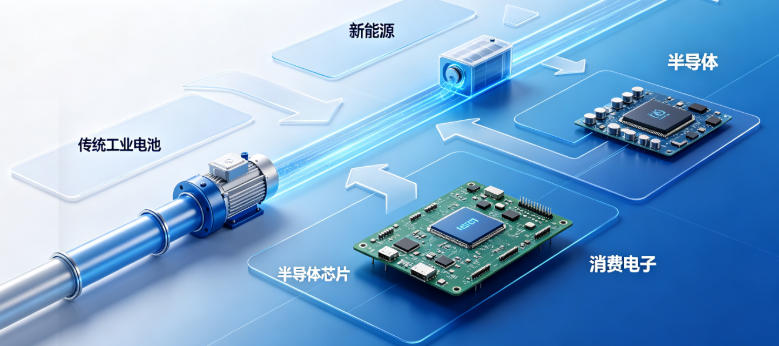
Whether flux paste must be cleaned after SMT soldering depends on the chemical activity and ion content of the flux residue, as well as the requirements of subsequent assembly processes. No-clean flux paste is not completely residue-free; rather, its flux residue becomes inert and low-corrosive after reflow. However, high-density BGA or aerospace-grade products still require cleaning to mitigate the risk of long-term electrochemical migration.
Published: 2019-12-31Solder auxiliary materials are indispensable supporting consumables in the PCBA soldering process, among which flux and PCB cleaning solvent directly affect soldering wettability, residue control and subsequent reliability. The Jiajinyuan series flux is compatible with 0201 to QFN0.4mm pads in SMT reflow soldering and wave soldering scenarios. Its rosin-based active ingredients take effect at 150℃ and complete activation at 235℃. When used with Jiajinyuan halogen-free PCB cleaning solvent, the ROSE method ion contamination value can be achieved <0.78μg/cm2.
Published: 2019-12-02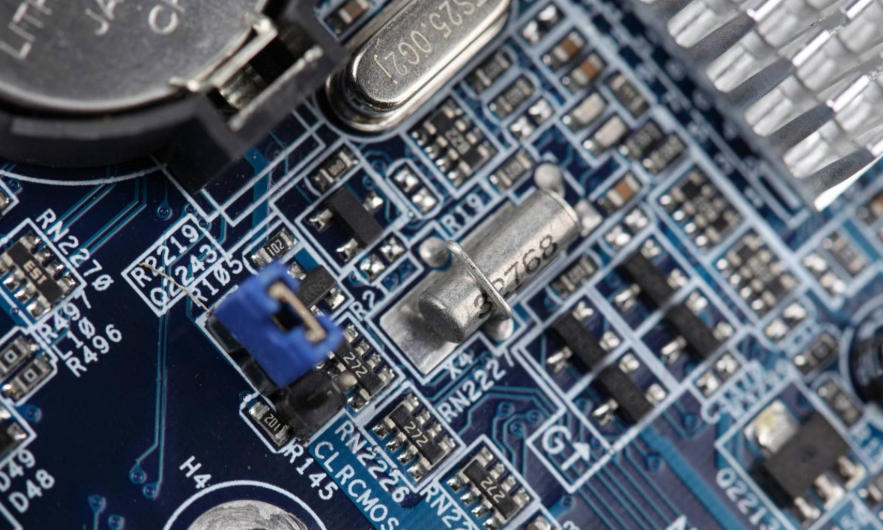
Excessive volatilization of solder paste during high-temperature soldering can lead to typical defects such as solder balls, cold solder joints, and bridging. This is especially likely to induce splattering and poor wetting in a nitrogen atmosphere or during reflow soldering with a high heating rate, directly affecting the SMT first-pass yield and long-term reliability.
Published: 2019-09-23Cleaning the furnace chamber during daily maintenance of reflow ovens is a key measure to prevent carbonized flux residue from contaminating PCB surfaces. Operations must account for the softening characteristics of residues under a nitrogen atmosphere, the matching degree between chain speed and temperature zone settings, and the unique furnace chamber structural design of Jiajinyuan reflow ovens, to avoid carbon buildup in high-temperature zones that could cause continuous surface yellowing or solder bead defects.
Published: 2019-08-11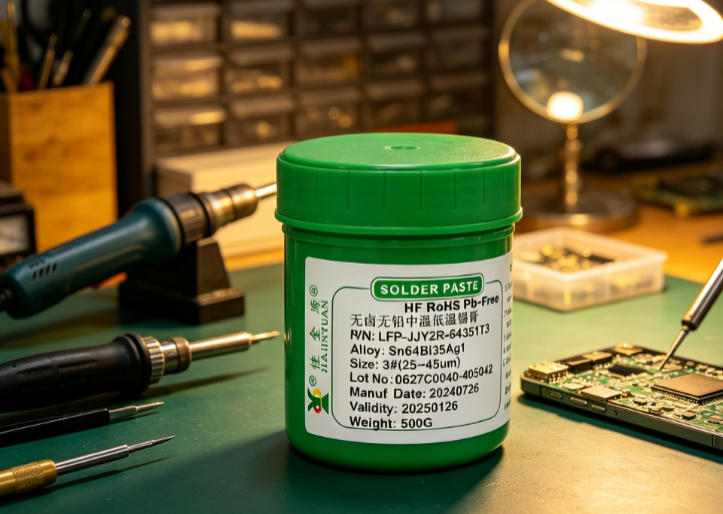
Purchasing solder paste, solder wire, and solder bars must be closely tied to the actual production line performance when screening suppliers, with a focus on batch stability, consistency between measured metal content values and J-STD-005, and whether the solder paste thixotropic index is suitable for high-speed printing machines. At the same time, the tensile strength of solder wire and the corrosivity of flux paste residues must be verified to avoid solder bridging, cold solder joints, or poor cleaning caused by material fluctuations.
Published: 2019-07-02
The flux content of solder wire directly affects solder wettability, residue control, and cold solder joint risk. In actual production lines, 0.5% to 3.0% is a common range, among which 1.8% to 2.2% delivers the best overall performance in wave soldering and manual soldering scenarios. Excessively high flux content tends to cause heavy smoke and yellowing of the PCB surface, while excessively low flux content leads to insufficient wetting and an increased probability of bridging.
Published: 2018-11-03
What solder paste to use for BGA repair and how to select the appropriate activity level directly affects the first-pass rework success rate and solder joint reliability. Production line verification by JJY shows that medium-activity RMA solder paste balances wettability and controllable residue in most BGA soldering scenarios; high-activity RA solder paste is only suitable for special chips with severe oxidation or poor plating, while no-clean solder paste must be paired with nitrogen-protected reflow conditions.
Published: 2018-06-29Our technical team is always ready to provide professional solder material selection advice and SMT process solutions.