SMT Solder Paste Manufacturers.

Focused on SMT soldering processes, a one-stop electronic soldering solutions provider.

Here you can find knowledge about Anti-Oxidation Solder Bar, including but not limited to usage methods, installation techniques, troubleshooting and more. Focused on SMT soldering processes. If you can't find what you need, please contact us anytime.

Antioxidation of solder bars is the core guarantee for the stable operation of wave soldering. Thickening of the oxide film will accelerate the imbalance of the surface tension of the molten solder, directly leading to an abnormal increase in wave soldering dross. By controlling the molten solder temperature, adding antioxidants, optimizing the nitrogen coverage of the solder pot, and adjusting the frequency of regular dross removal, wave soldering dross can be reduced by more than 40%.
Published: 2026-08-27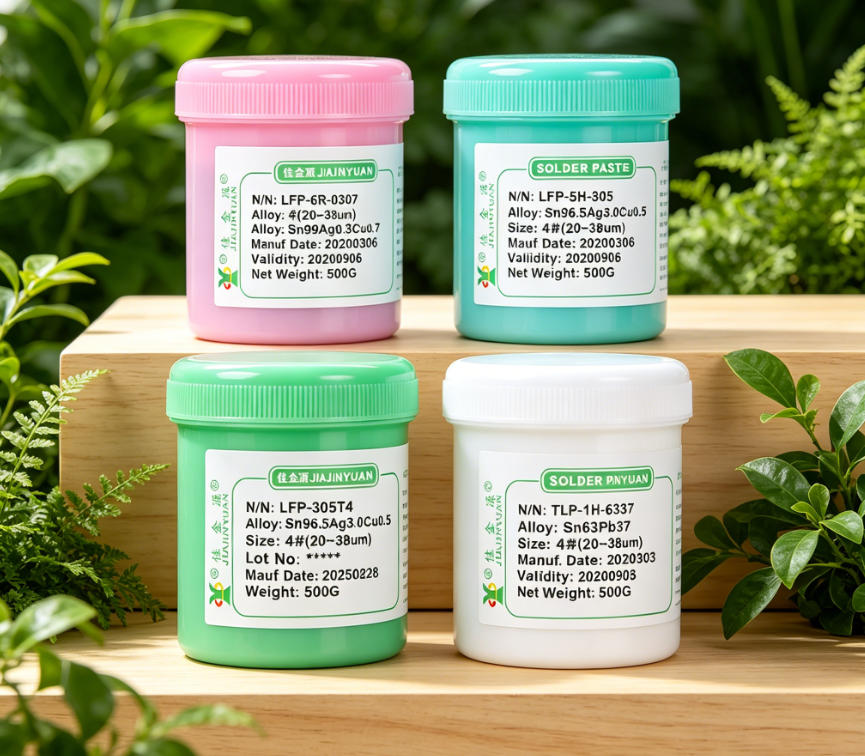
Wave soldering solder bar alloy selection must focus on two core hard indicators: purity and oxidation resistance of the solder bar. High purity (≥99.95%) can reduce the generation of dross by more than 40%, while the oxidation-resistant formulation with trace rare earth elements can reduce the thickness of the oxide film on the surface of the liquid solder bath by 60%, significantly extending the service life of the solder bar and improving the wettability of through-hole solder joints.
Published: 2026-08-27To address practical issues in low-humidity workshops such as solder paste being prone to moisture absorption and oxidation, sudden viscosity changes, and printing defects, this paper proposes a solder paste protection solution centered on nitrogen atmosphere control, dual-parameter linkage monitoring of temperature and humidity, standardization of solder paste temperature recovery and standing, and coordinated adjustment of squeegee pressure and speed. All measures are derived from 20 years of SMT on-site verification on Jia Jinyuan's production lines and can be directly embedded into the existing MES system to trigger early warnings.
Published: 2019-06-02During the pin dip soldering process, oxidation of the solder bath surface is the main cause of continuous dross generation. Jiajinyuan anti-oxidation flux, through the synergistic effect of dynamic coverage and active ingredients, forms a dense inert film on the solder bath surface, reducing the oxidation rate by more than 70% during pin dip soldering, cutting daily dross production by 1.2kg, significantly extending the cleaning cycle of the solder pot, and stabilizing solder joint wettability.
Published: 2018-03-24OSP board soldering is a critical process in SMT production lines that is highly prone to cold solder joints, poor wetting, and pad oxidation failures. It is necessary to optimize stencil aperture design, solder paste selection, reflow profile, and first-article verification process in response to the thermal sensitivity, thin-layer characteristics, and weak adhesion to the copper substrate of the OSP anti-oxidation protective film. Otherwise, even if the placement accuracy meets the standards, batch issues such as dull solder joints, insufficient solder climb height, or abnormal ICT test impedance will occur after reflow.
Published: 2014-11-10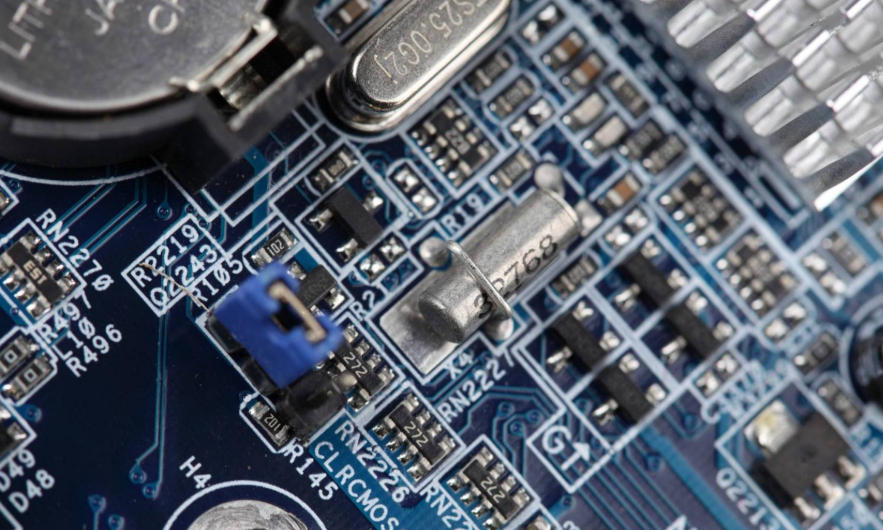
Although adding antioxidants to solder bars can significantly delay oxidation reactions and reduce the amount of dross generated during high-temperature molten soldering, it cannot completely eliminate dross formation due to multiple production line variables such as wave soldering temperature fluctuations, flux residue decomposition, molten solder agitation intensity, and alloy composition segregation. There are clear process boundaries for the effectiveness of solder oxidation resistance.
Published: 2013-06-07In dip soldering, the oxidation resistance of tin bars directly affects the amount of tin dross generated. By optimizing the tin-copper-nickel ternary alloy ratio and adding trace rare earth elements, Jiajinyuan tin bars reduce the oxide film growth rate by 40% at a conventional dip soldering temperature of 255℃~265℃. The measured tin dross loss per shift drops from 1.8kg to 0.95kg, significantly reducing the frequency of manual dross skimming and the tin bar replenishment interval.
Published: 2012-10-07Domestic solder paste that resists oxidation and maintains long-term stability once opened is designed for high-frequency lid opening and intermittent printing scenarios on SMT production lines. It adopts a ROL0 zero-halogen rosin-based formula and a T4/T5 fine powder alloy system, significantly improving the shelf life and printing lifespan of antioxidant solder paste series such as 8MQP/5RQ and 8MNTTP/5RNTT. It achieves nearly 100% solder wetting rate for QFN packages while ensuring clear post-reflow residue, making it a high-reliability choice for replacing imported SMT solder paste and reducing oxidation risks of domestic solder paste.
Published: 2009-04-13Our technical team is always ready to provide professional solder material selection advice and SMT process solutions.