SMT Solder Paste Manufacturers.

Focused on SMT soldering processes, a one-stop electronic soldering solutions provider.

Here you can find knowledge about Solder Wire, including but not limited to usage methods, installation techniques, troubleshooting and more. Focused on SMT soldering processes. If you can't find what you need, please contact us anytime.

The fluidity of solder paste directly affects printing quality and soldering results. Selecting the appropriate viscosity, controlling storage temperature, and thoroughly stirring before use are key. Ensure the solder paste spreads evenly during the printing process to avoid voids and bridging issues.
Published: 2026-08-28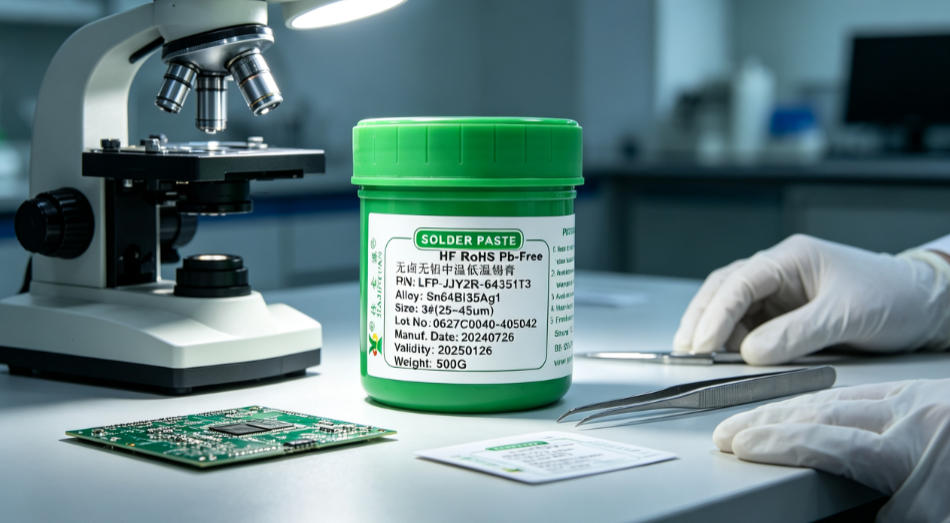
Lead HASL and lead-free HASL each have their own advantages in printed circuit board manufacturing, and the selection should be based on process requirements and environmental regulations. Lead HASL offers stable soldering performance but poses environmental risks, while lead-free HASL complies with regulations but imposes higher requirements on equipment and process control.
Published: 2026-08-28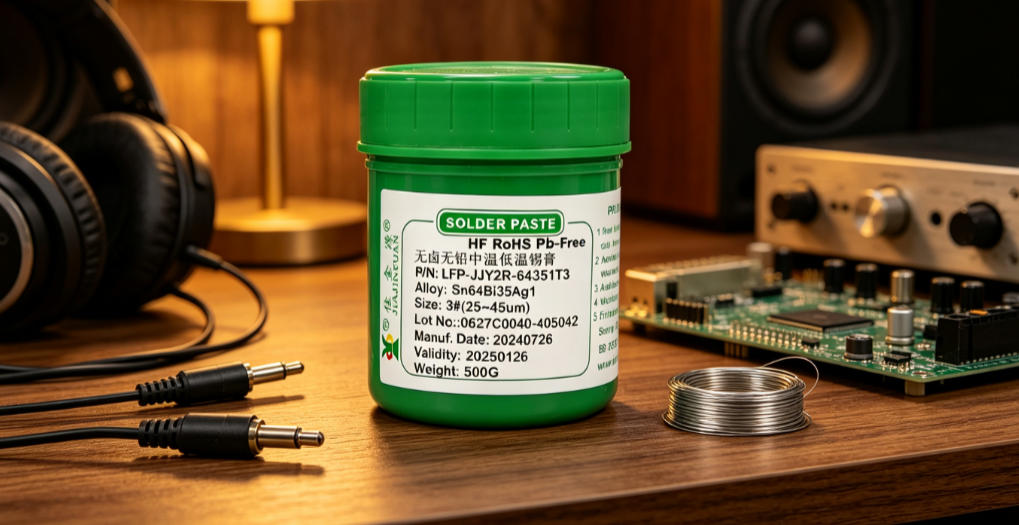
305 solder paste and 0307 solder paste each have their own advantages in SMT processes. 305 solder paste is suitable for high-density fine-pitch components, while 0307 solder paste is suitable for large-sized components or scenarios with high requirements for fluidity. The selection should be based on specific soldering requirements and equipment conditions.
Published: 2026-08-28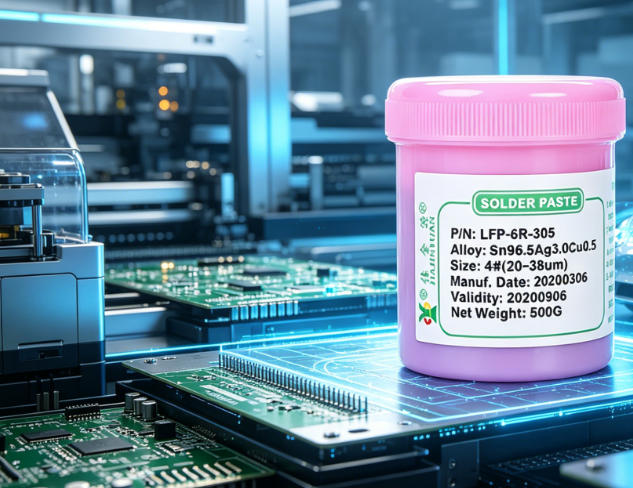
Solder paste tackiness standards are a key metric for measuring whether solder paste can stably adhere to a PCB during the printing process, directly affecting soldering quality and production efficiency. Through actual testing and process adjustment, ensuring solder paste tackiness complies with industry specifications can effectively prevent printing defects and subsequent failures.
Published: 2026-08-28
The temperature of solder paste storage conditions must be strictly controlled between 4℃ and 10℃ to ensure its stability and soldering performance. Improper solder paste storage conditions will lead to solder oxidation, viscosity changes and printing defects, affecting the quality of the SMT process.
Published: 2026-08-28
There are significant differences between 105 solder paste and 305 solder paste in terms of viscosity, solder joint strength, and applicable scenarios. 105 solder paste is suitable for precision components, while 305 solder paste is more suitable for large-sized or high-density circuit boards. The selection should be comprehensively judged based on process requirements and production environment.
Published: 2026-08-28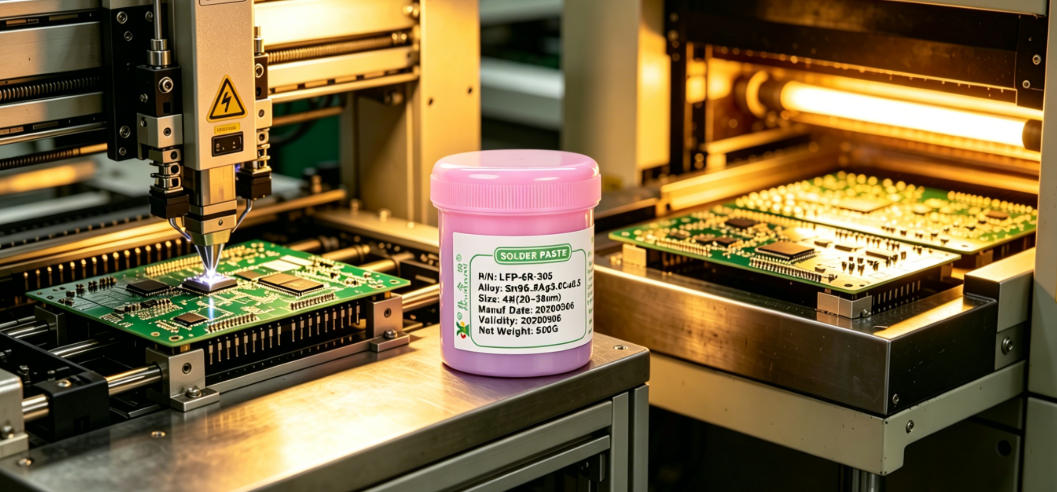
The temperature selection of emmc solder paste directly affects the soldering effect, and choosing the appropriate solder paste temperature can improve soldering quality. In actual operation, comprehensive judgment should be made based on solder characteristics, equipment conditions and process requirements to ensure a stable and reliable soldering process.
Published: 2026-08-28
Solder paste melting is a key step in the SMT process, directly affecting soldering quality. By properly controlling the temperature profile, solder paste characteristics, and equipment parameters, ensure that the solder paste melts uniformly during reflow soldering, avoiding cold solder joints and bridging issues.
Published: 2026-08-28
Solder paste is an indispensable soldering material in the SMT process, and whether tin powder and soldering flux can be used to make solder paste has become a focus of attention in the industry. By analyzing the composition and production principle of solder paste, this paper clarifies the limitations of tin powder and soldering flux in practical applications, and provides professional guidance for related operations.
Published: 2026-08-28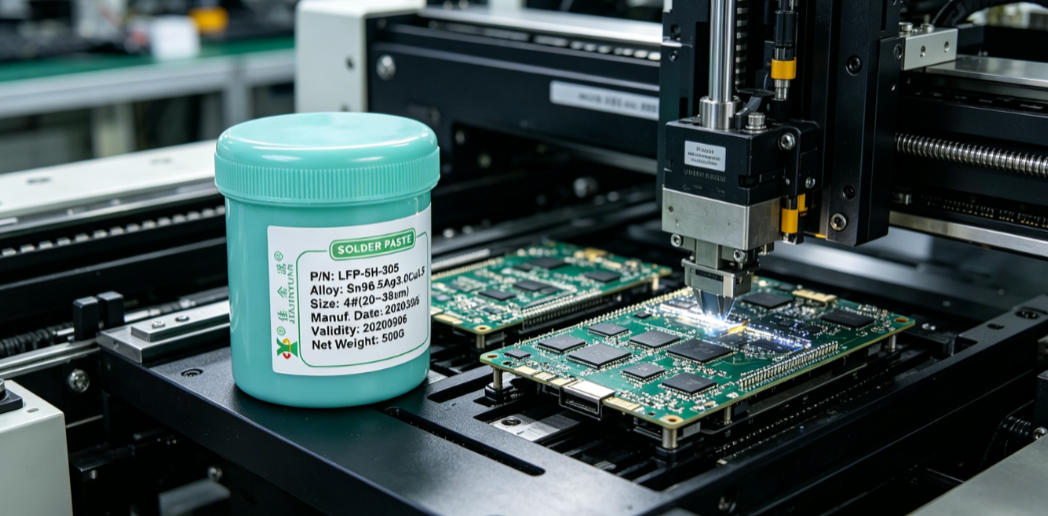
Solder paste cleaning requires selecting an appropriate solvent based on the type of residue, such as alcohol or special cleaning agents, while paying attention to the coordination of operating methods and equipment to avoid damaging components. During the solder paste cleaning process, temperature and time should be controlled to ensure thorough removal of residues and improve soldering quality.
Published: 2026-08-28Our technical team is always ready to provide professional solder material selection advice and SMT process solutions.