SMT Solder Paste Manufacturers.

Focused on SMT soldering processes, a one-stop electronic soldering solutions provider.

Here you can find knowledge about LED Solder Paste, including but not limited to usage methods, installation techniques, troubleshooting and more. Focused on SMT soldering processes. If you can't find what you need, please contact us anytime.
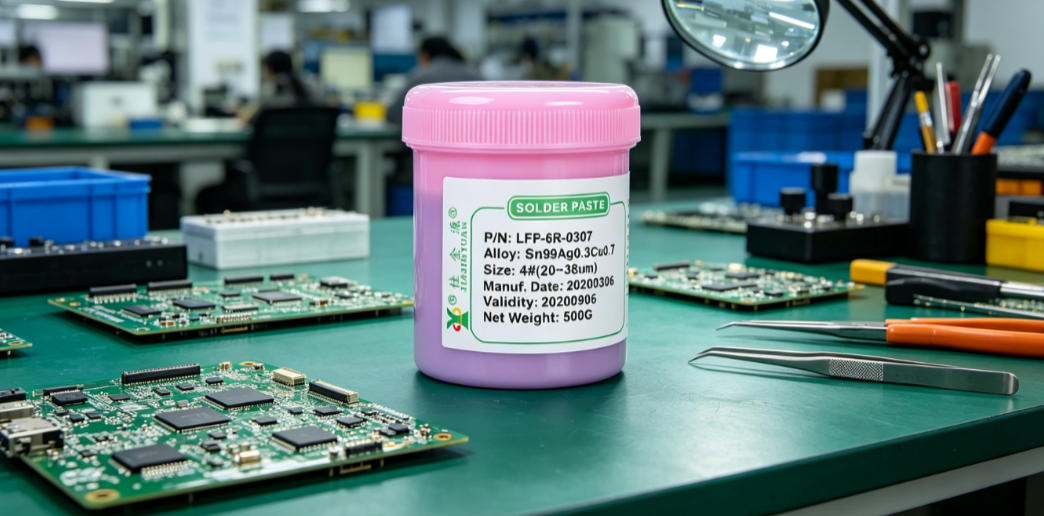
Selecting the right solder paste during LED SMD soldering is critical. High-quality solder paste ensures strong, defect-free solder joints, and the selection of solder paste requires comprehensive consideration of its composition, viscosity, and process requirements.
Published: 2026-08-28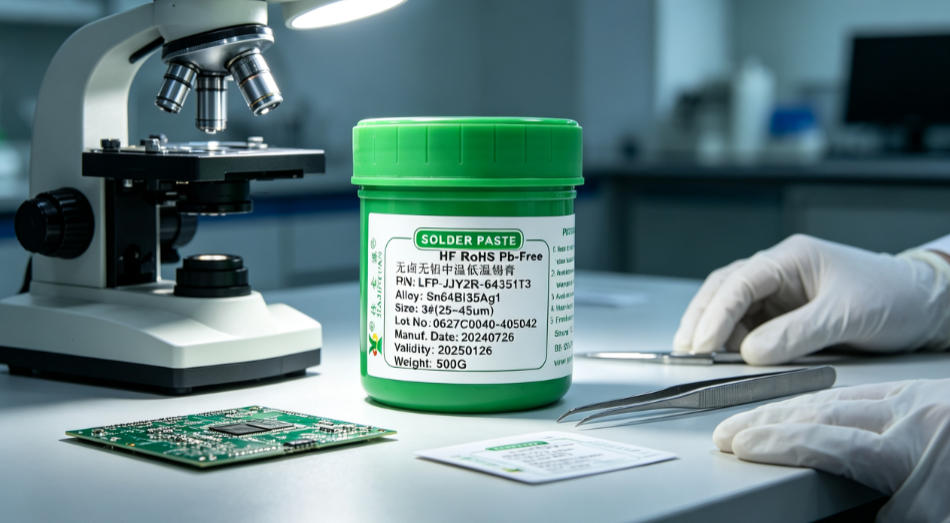
Solder paste printing on circuit boards is a key step in the SMT process, directly affecting soldering quality and production efficiency. By selecting the appropriate solder paste type, controlling printing parameters, and optimizing operational procedures, product yield can be effectively improved.
Published: 2026-08-28
The selection of LED lamp bead solder paste should be combined with the welding process and material characteristics to ensure the stability and reliability of the connection. The composition, viscosity and activity of the solder paste directly affect the welding effect, and the reflow soldering temperature profile and component type should be comprehensively considered when selecting.
Published: 2026-08-28
Excessive solder paste can easily cause short circuits and damage to LED beads. The main reason is that solder paste accumulates on the circuit board to form a conductive path, triggering abnormal current. In actual production, the printing volume and distribution uniformity of solder paste must be strictly controlled to avoid LED bead burnout or poor soldering caused by solder paste short circuits.
Published: 2026-08-28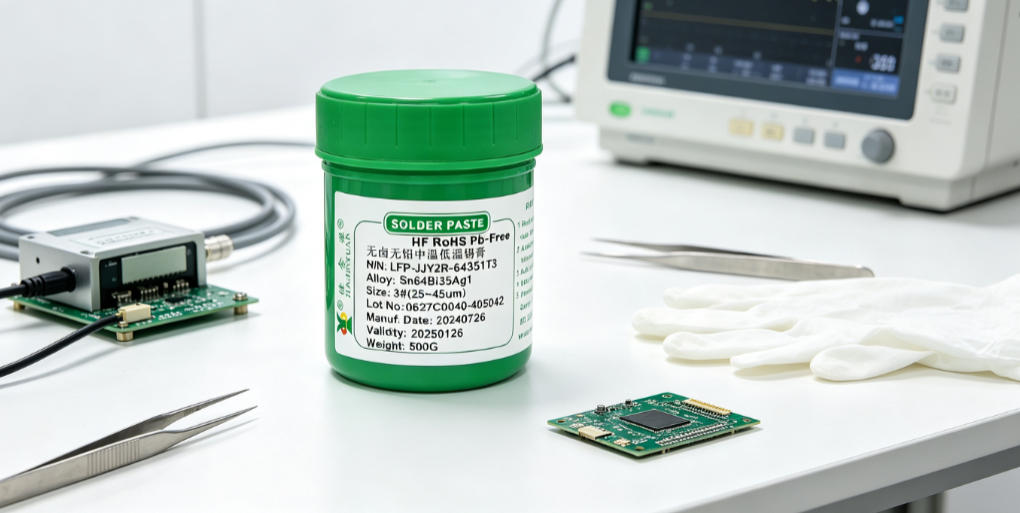
The selection of LED lamp bead solder paste directly affects soldering quality and product lifespan. Using high-purity, low-activity solder paste can effectively prevent cold solder joints and oxidation issues, while the soldering temperature profile must be adjusted according to process requirements.
Published: 2026-08-28
For large-pitch conventional SMT production scenarios for LEDs, LFP-8MA-SC07 lead-free solder paste, with its high activity, low residue, and good solder climbing performance, is an ideal soldering material in the lighting industry and is suitable for conventional process requirements.
Published: 2026-08-28
In nitrogen soldering, the dew point control of solder paste directly determines the wettability and void ratio of solder joints. Practical measurement experience shows that the dew point needs to be stably maintained between -40℃ and -50℃. A dew point below -55℃ can easily make the oxide film of the solder paste difficult to break, while a dew point above -35℃ will cause a significant decrease in the activity of the flux. It is only truly effective when paired with a nitrogen purity of ≥99.995% and an oxygen content of <50ppm.
Published: 2026-08-27
The LED lighting industry includes products such as MiniLED, MicroLED, direct-lit backlighting, and high-power lighting. Micro-pixel arrays have tiny pads, high-power lamp boards face significant thermal dissipation pressure, and aluminum substrates are prone to cold solder joints and dead LEDs when heated.
Published: 2026-08-24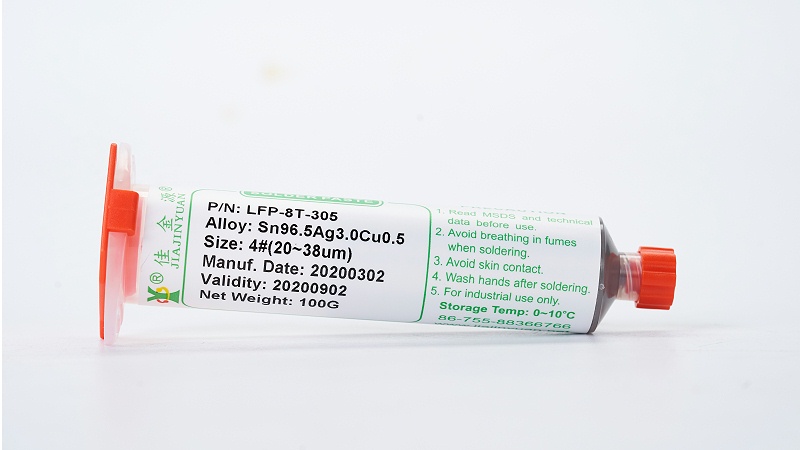
SMTThe new welding materials used---Solder paste.Solder paste manufacturerThe solder paste produced
Published: 2026-05-12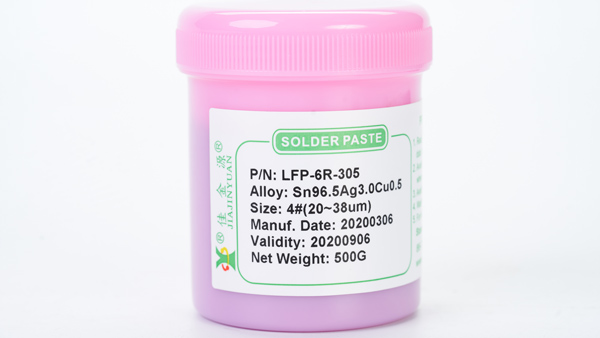
High-temperature solder paste andLow-temperature solder pasteWhat's the difference? Questions that s
Published: 2026-05-12Our technical team is always ready to provide professional solder material selection advice and SMT process solutions.