


If you find uneven edges, burrs or stains on the surface after Solder Paste soldering, don't worry. Here are the solutions. Now, let the Solder Paste Manufacturer explain them to you:
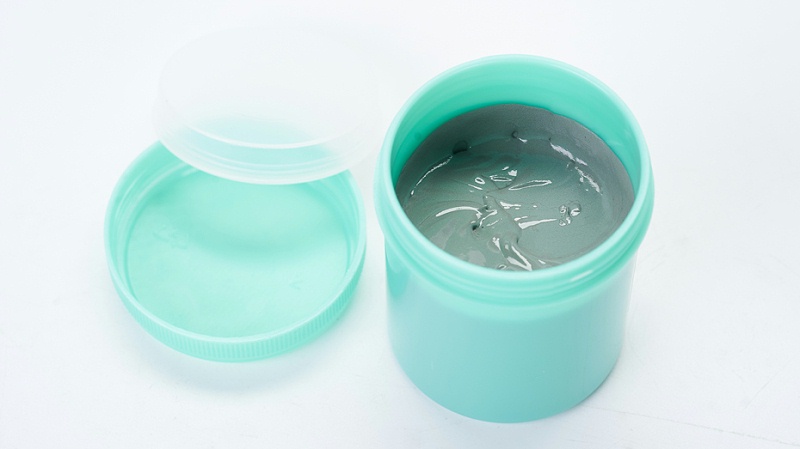
First, let's analyze the root cause of this phenomenon:
Note: after the PCB is cleaned, blow it through with an air gun, because many tiny tin balls invisible to the naked eye can remain lodged in the PCB gaps.
Generally, to solve a problem you must first analyze where the root cause lies and why the burrs appear. It is possible that Solder paste viscosity is too low, or it may be caused by overly rough stencil walls. In that case, first check whether the stencil walls are polished well, and then re-run the soldering. If you have any questions, please feel free to consult us.
Related Articles
- How to select solder paste for fine pitch QFN assembly without bridging
- What should be noted when soldering with lead-free solder wire?
- Troubleshooting inconsistent solder paste release from nano coated stencils
- How to select and handle solder paste for fine pitch SMT assembly
- Best practices for stencil printing with lead free solder paste
- Adjusting aperture design to improve solder paste release for 01005 components
- What Are the Solder Paste Manufacturers in Changzhou?
- Solder bridging between adjacent pins causing short circuits, key prevention for fine-pitch ICs
Recommended Products

LFP-5RNTT-305 Halogen-Free Lead-Free High-Temperature Solder Paste
LFP-JJY5RNTT-305 halogen-free lead-free high-temperature solder paste uses standard Sn96.5Ag3.0Cu0.5

LFP-5RTS-305 Halogen-Free Lead-Free High-Temperature Solder Paste
LFP-JJY5RTS-305T3 QFN-specific halogen-free, lead-free high-temperature solder paste, made from low-

LFP-5RR-305 Zero-Halogen REACH Lead-Free High-Temperature Solder Paste
LFP-JJY5RR-305 automotive-lamp-specific halogen-free lead-free high-temperature solder paste, made f