
Focused on SMT soldering processes, a one-stop electronic soldering solutions provider.

Here you can find knowledge about Reflow Soldering, including but not limited to usage methods, installation techniques, troubleshooting and more. Focused on SMT soldering processes. If you can't find what you need, please contact us anytime.
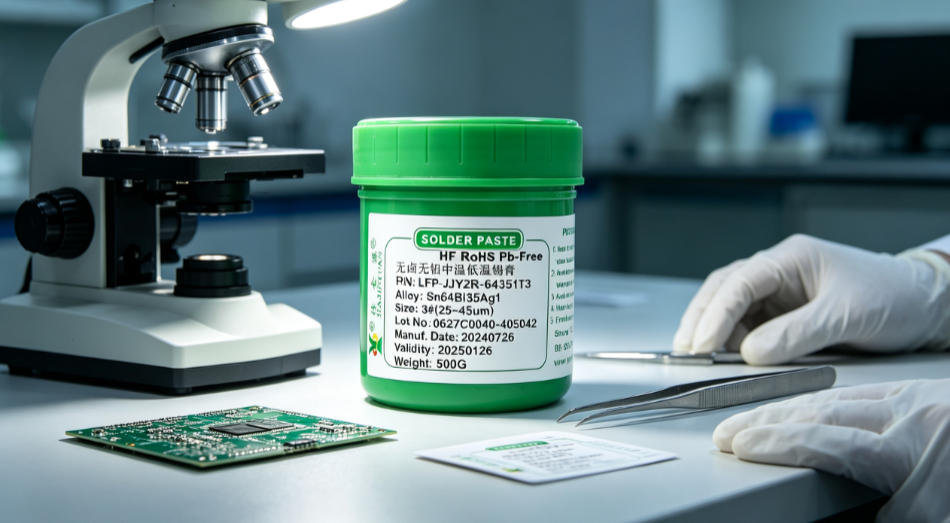
During the reflow soldering process, high-temperature solder paste exhibits poor solder wetting issues, which are closely related to the temperature profile settings, flux activity, and substrate cleanliness. It is necessary to optimize process parameters and strengthen process control to improve soldering quality.
Published: 2026-08-28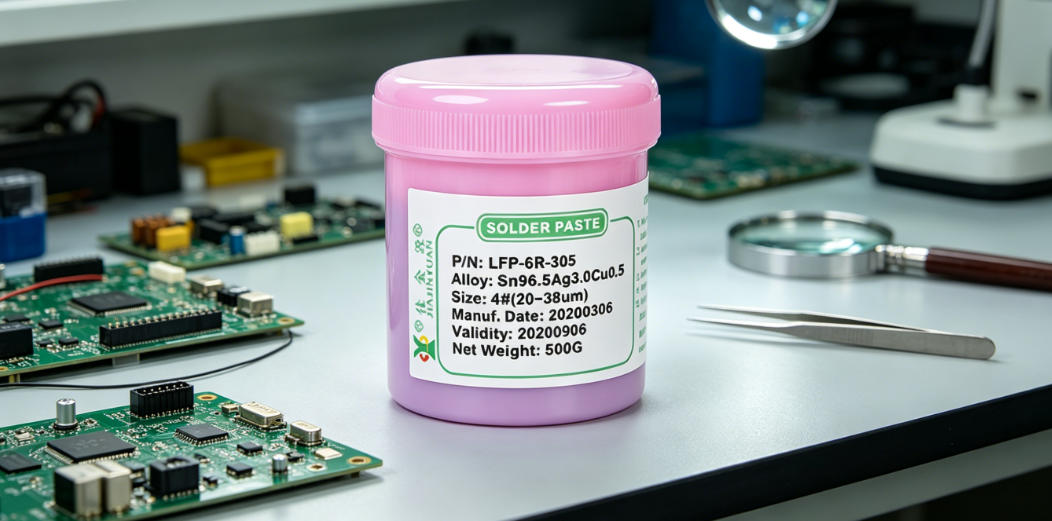
The temperature setting for solder paste reflow soldering directly affects soldering quality. Different solder paste types require matching appropriate temperature profiles to ensure solder joint reliability and production efficiency. The reference temperature range should be adjusted in combination with specific process requirements and equipment characteristics.
Published: 2026-08-28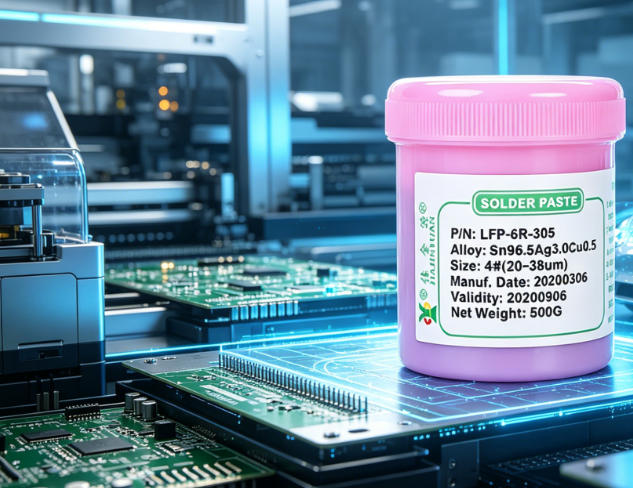
Both solder paste die attach and solder preform die attach require reflow soldering in the SMT process, but there are significant differences between the two in specific applications. Solder paste die attach involves printing solder paste, placing components, and then achieving soldering through reflow soldering, while solder preform die attach directly uses preformed solder sheets for placement, which also requires reflow soldering to complete the connection. The core keywords solder paste die attach and reflow soldering run through the entire process flow.
Published: 2026-08-28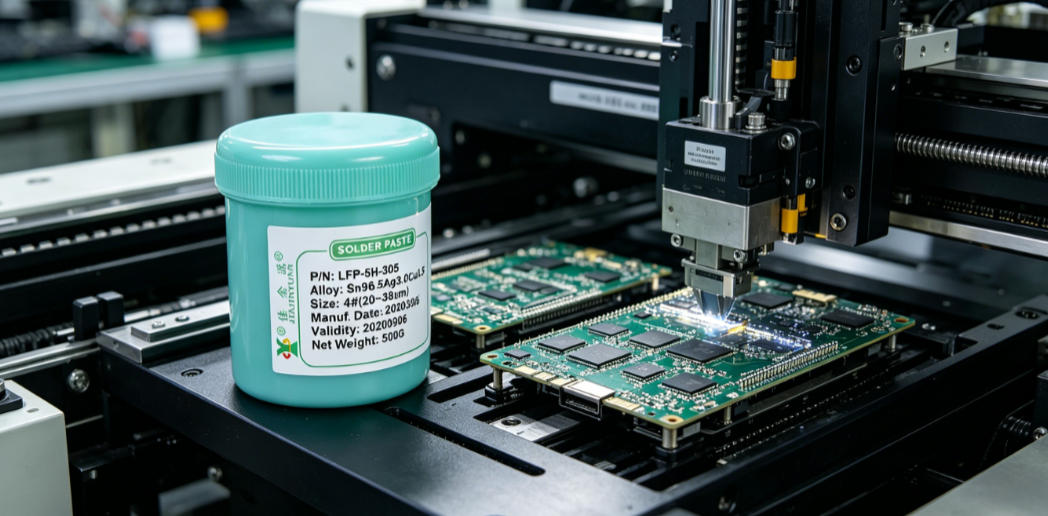
In the double-sided mounting process, the solder paste soldering reliability of the second reflow pass is highly dependent on printing accuracy, reflow profile matching, and component heat capacity coordination. Based on measured data from mass production lines, this paper explicitly specifies key parameters including a stencil thickness of 0.12mm, a squeegee pressure of 2.8kg, and a reflow peak temperature of 235℃±2℃, and points out that the risk of re-melting of already soldered components on the A side during the B-side reflow pass is concentrated on resistors and capacitors below 0603 and the bottom pads of QFN packages.
Published: 2026-08-27
Through-hole reflow soldering is shifting from an experimental process to mass production applications, with stencil design and solder paste selection becoming key bottlenecks that determine first-pass yield. The industry is currently facing common issues such as poor coplanarity of through-hole component pins, insufficient solder paste filling, and high void rates after reflow, while practical solutions including high-viscosity solder paste, stepped stencils, and double-sided printing are being rapidly implemented.
Published: 2026-08-27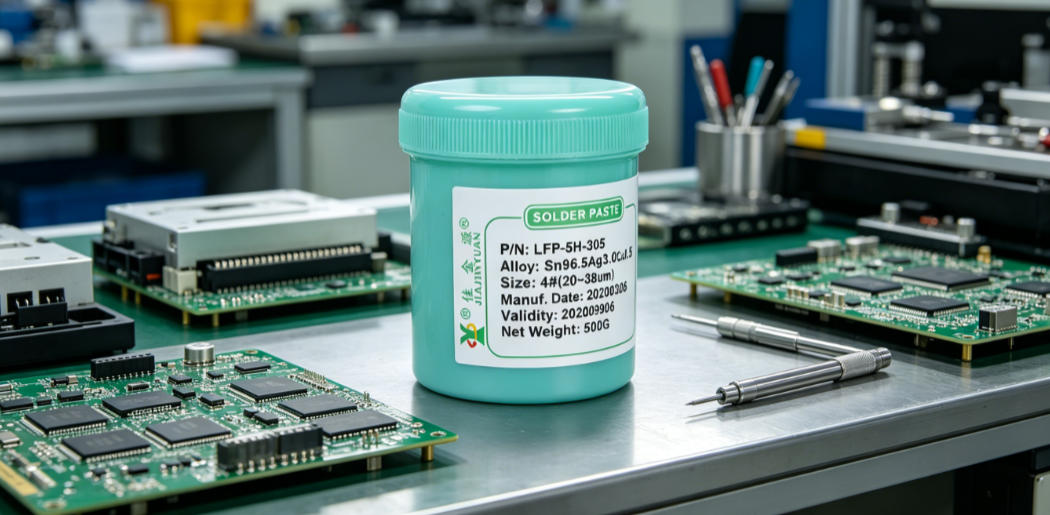
Nitrogen reflow soldering significantly reduces void rate and improves solder joint wettability and reliability by precisely controlling the dew point inside the oven and the oxygen content of the solder paste. It is especially suitable for mass production soldering of high-density fine-pitch devices such as 01005, QFN, and BGA. Measured data shows that under conditions of -40℃ dew point and 100ppm oxygen content, the void rate of BGA solder joints can be stably controlled within 5%.
Published: 2026-08-27
The SMT solder paste operation process covers five major stages: thawing, stirring, printing, component placement, and reflow soldering. The core of cost reduction across the entire process lies in reducing solder paste waste, extending stencil life, lowering the rework rate, and optimizing equipment energy consumption. Based on real production line data, this paper proposes 8 actionable measures covering four dimensions: personnel operation, parameter setting, auxiliary material management, and equipment maintenance.
Published: 2026-08-27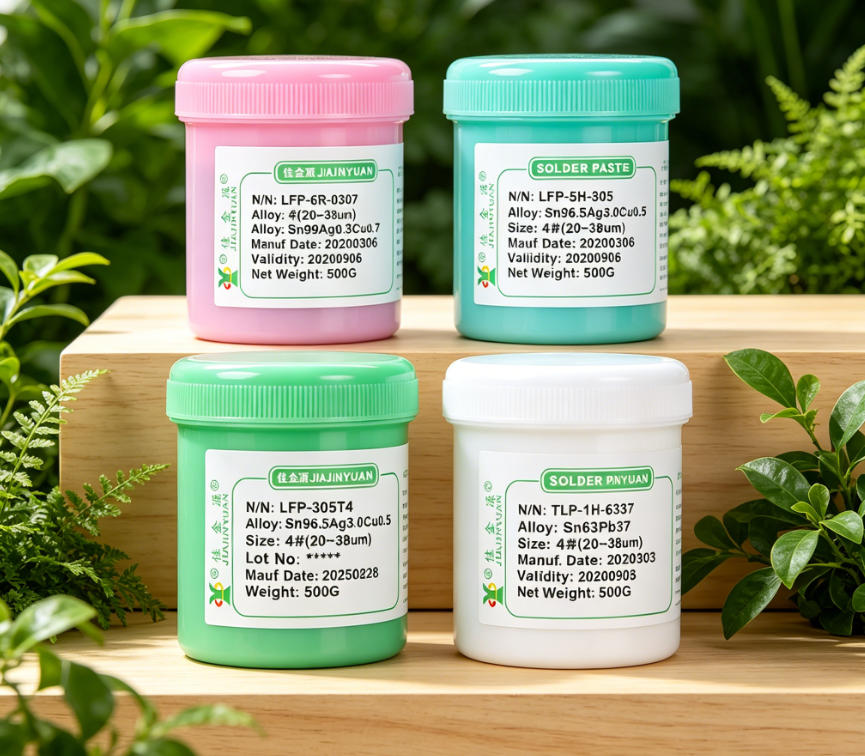
Multiple reflow soldering cycles significantly weaken solder joint reliability, caused by the superposition of irreversible changes such as repeated growth of the intermetallic compound layer, IMC embrittlement, solder grain coarsening, and increased void rate. In production lines, scenarios such as BGA rework, mixed double-sided board assembly, and stacked board assembly often trigger secondary or even tertiary reflow, so risks must be controlled through coordinated optimization of temperature profiles, solder paste selection, and pad design.
Published: 2026-08-27
An excessively large ramp-up slope during reflow soldering can easily cause typical solder paste defects such as solder paste splashing, solder balls, tombstoning, and poor wetting. The root causes are violent vaporization of the flux, accelerated oxidation of solder powder, and unbalanced thermal stress on components. Production lines should address this by stepwise optimizing the preheat zone slope, calibrating thermocouple positions, shortening the soaking time, and strengthening cold storage management for solder paste.
Published: 2026-08-27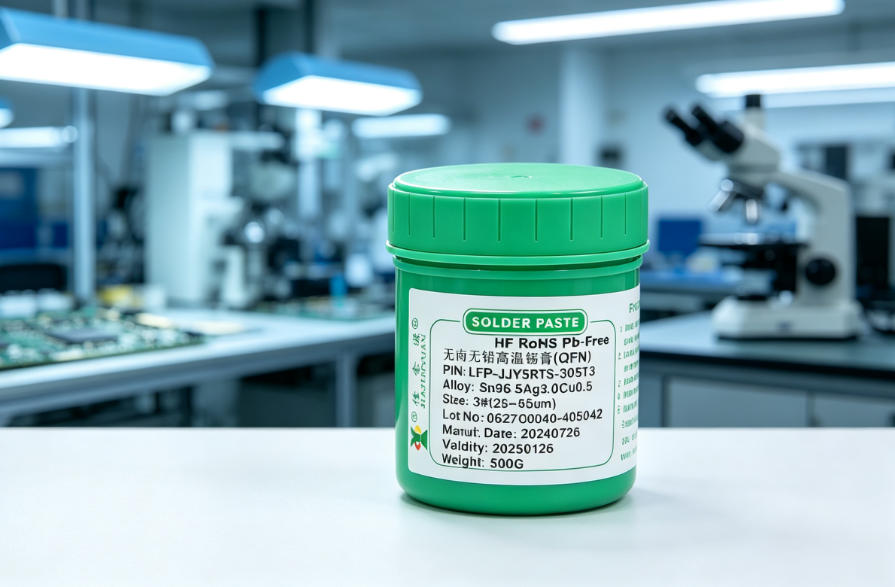
The LFP-5RTS series halogen-free and lead-free high-temperature solder paste is suitable for high-temperature reflow soldering processes, and delivers excellent soldering stability and environmental performance.
Published: 2026-08-24Our technical team is always ready to provide professional solder material selection advice and SMT process solutions.