
Focused on SMT soldering processes, a one-stop electronic soldering solutions provider.

Here you can find knowledge about Leaded Solder Paste, including but not limited to usage methods, installation techniques, troubleshooting and more. Focused on SMT soldering processes. If you can't find what you need, please contact us anytime.
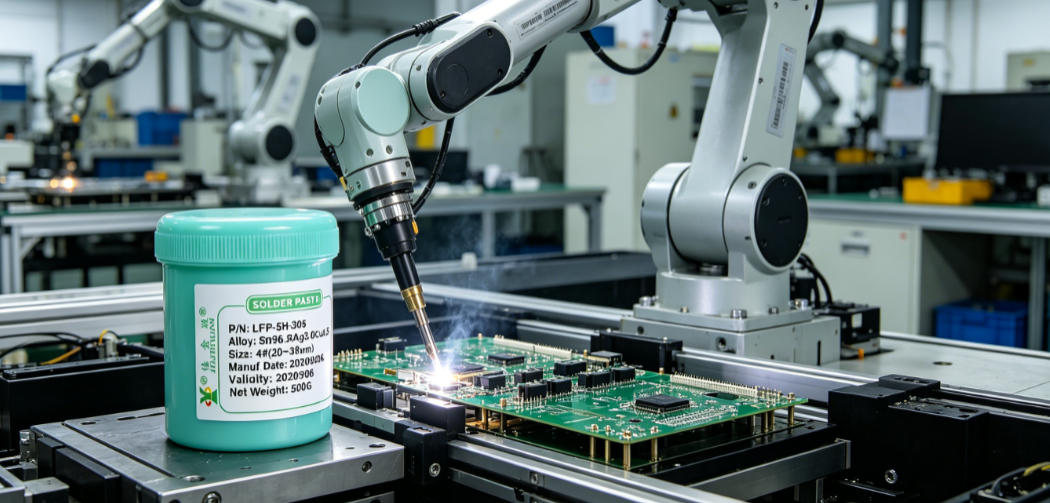
The selection of solder paste directly affects soldering quality and production costs. Lead-containing solder paste performs better in terms of melting point and fluidity, but environmental pressure has driven lead-free solder paste to become the mainstream. The pros and cons need to be weighed according to specific process requirements.
Published: 2026-08-28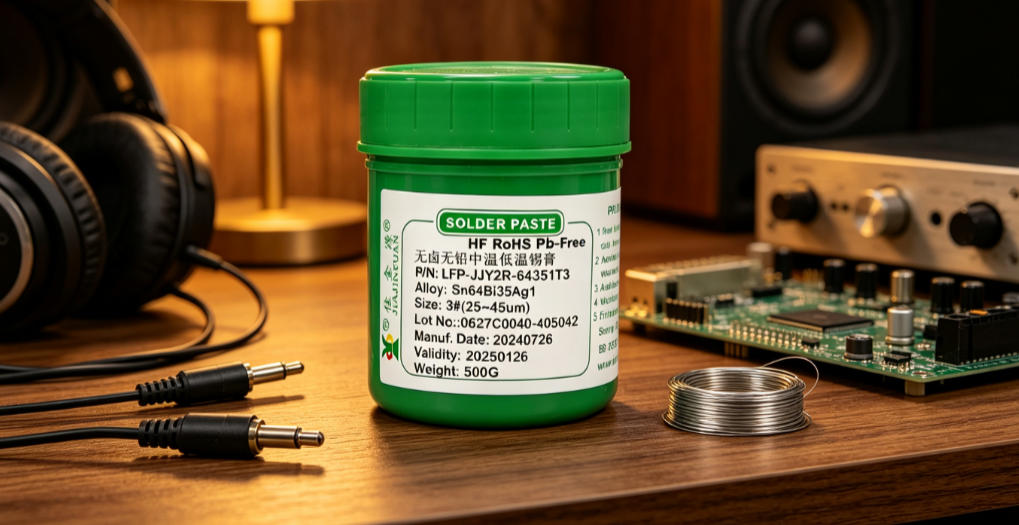
Both leaded and lead-free solder pastes have their own applicable scenarios. Leaded solder paste offers stable soldering performance but poor environmental friendliness, while lead-free solder paste complies with environmental regulations but has high process requirements. The selection should be comprehensively considered based on product characteristics, cost, and regulatory requirements.
Published: 2026-08-28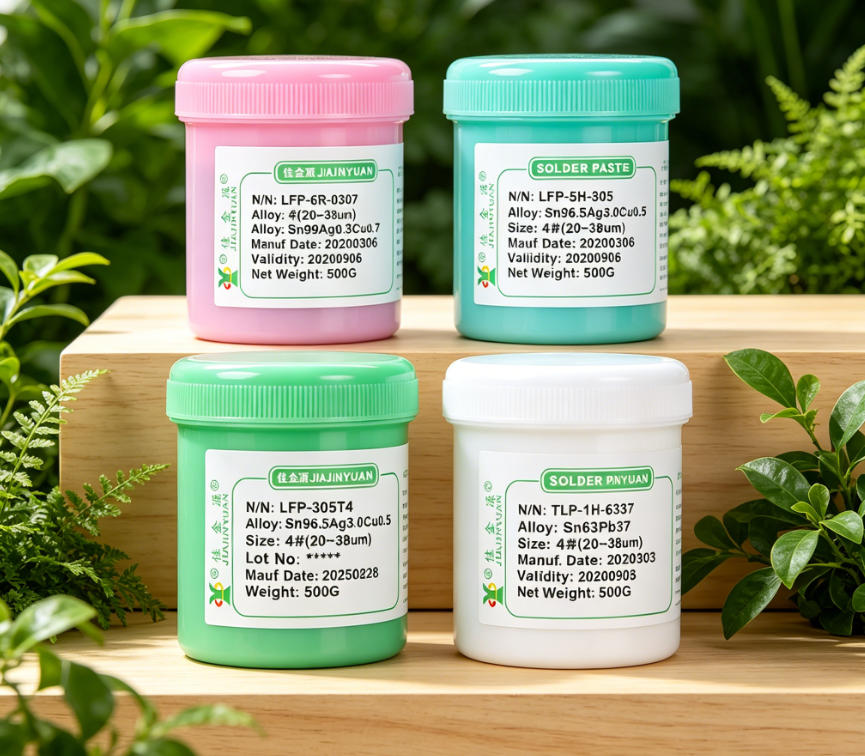
There are significant differences between leaded solder paste and lead-free solder paste in terms of composition, soldering performance, and environmental protection requirements. To distinguish between them, a comprehensive judgment should be made by combining appearance, composition testing, and process adaptability. Mastering the core differences helps improve production efficiency and product quality.
Published: 2026-08-28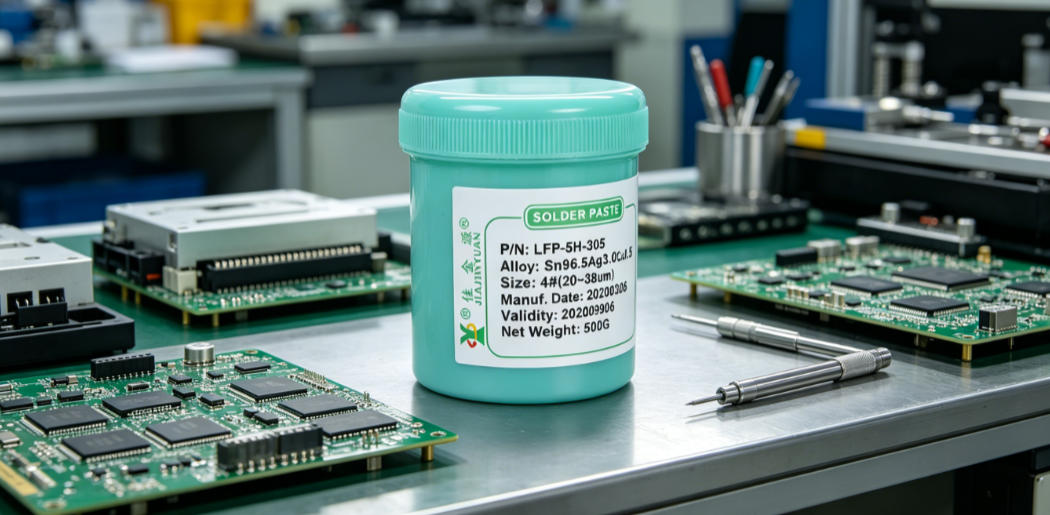
Solder paste has both leaded and unleaded variants, each with its own advantages and disadvantages, and the selection should be based on process requirements and environmental regulations. Leaded solder paste offers stable soldering performance and is suitable for traditional production lines; unleaded solder paste complies with environmental regulations, but has higher requirements for temperature control and equipment compatibility. In practical applications, cost, efficiency, and reliability should be comprehensively considered.
Published: 2026-08-28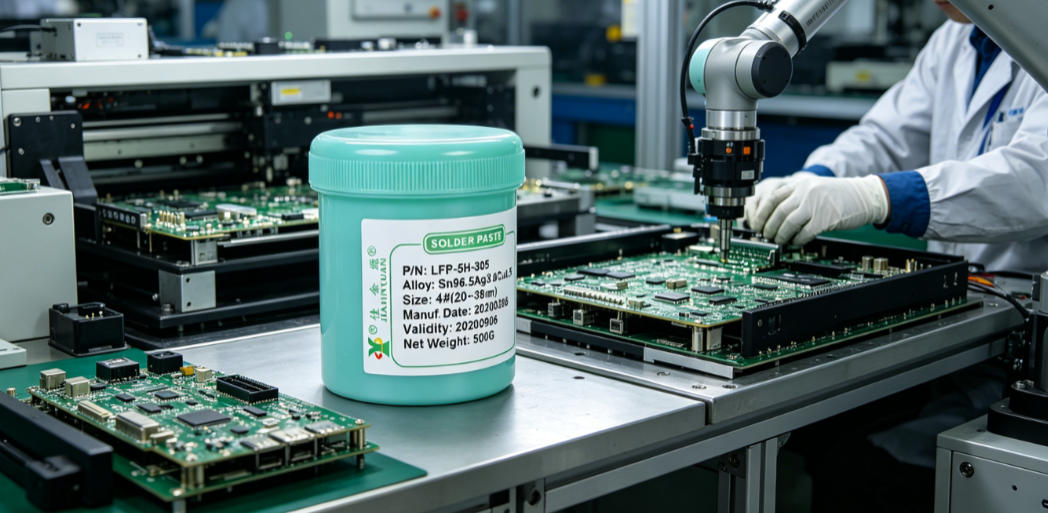
Sn63Pb37 leaded solder paste remains irreplaceable in high-reliability fields such as automotive electronics and industrial control due to its eutectic properties and compatibility with mature processes. Its reflow process parameters are evolving toward narrower windows, higher consistency, and stronger equipment coordination. The driving factors include the domestic reflow soldering temperature control accuracy being improved to ±1.5℃, the Tg value of PCB boards generally rising above 150℃, and the proportion of 0201 and smaller package devices exceeding 38%. Practitioners need to simultaneously upgrade the calibration frequency of reflow profilers, refine the compensation rules for stencil apertures, and establish a batch-specific mapping table between solder paste viscosity and printing speed.
Published: 2026-08-27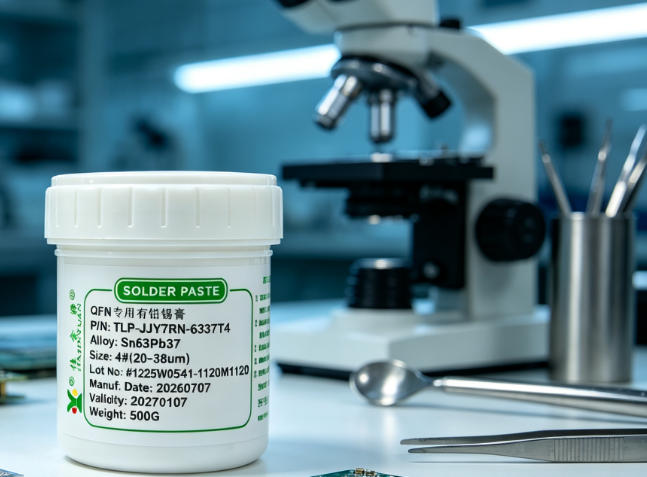
TLP-7RN series QFN-specific leaded solder paste is developed to address the soldering challenges of QFN packages, effectively improving solder wetting rate and soldering reliability.
Published: 2026-08-24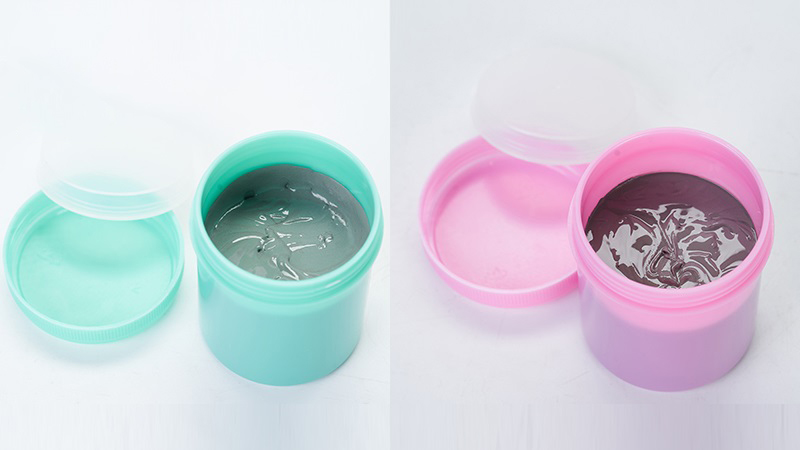
inSMTThe unused ones in the patchSolder pasteIt would be a waste to throw them away. Next time, anot
Published: 2026-05-15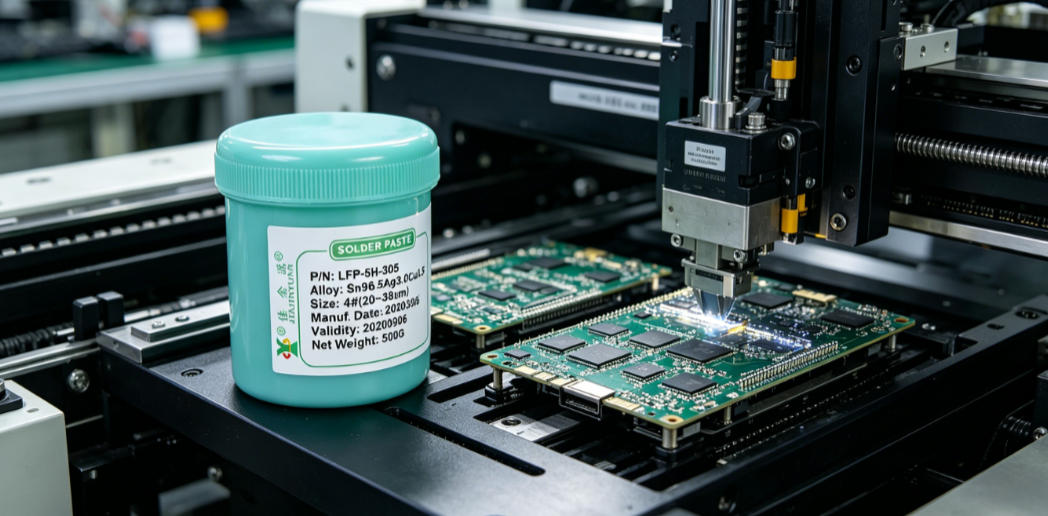
Lead-free solder paste and leaded solder paste have essential differences in composition, melting point, wettability, and reflow profile settings. The key to distinguishing them lies in the RoHS marking on the solder paste batch label, the color of flux residue, and the glossiness of solder joints. Since lead-free solder has a high melting point and high surface tension, it is necessary to increase the peak temperature and extend the time above the liquidus, while imposing higher requirements on stencil aperture design, squeegee pressure, and printing speed.
Published: 2024-01-23Lead-free solder paste and leaded solder paste have essential differences in melting point, soldering temperature, halogen content and applicable scenarios. Domestic solder paste brands such as Jia Jinyuan have covered the full range from zero-halogen high-temperature to ultra-low-temperature products. Their 0307/305 alloy powder T3-T5 specifications perform stably in QFN solder wetting rate, void control and laser welding adaptability, providing a reliable choice for production lines to replace leaded solder paste.
Published: 2009-01-17Our technical team is always ready to provide professional solder material selection advice and SMT process solutions.