


Unused Solder paste left over from SMT patching would be a waste to throw away, but next time a different type of Solder Paste will be used for SMT. In this case, can the two types be mixed together? The Solder Paste Manufacturer explains:
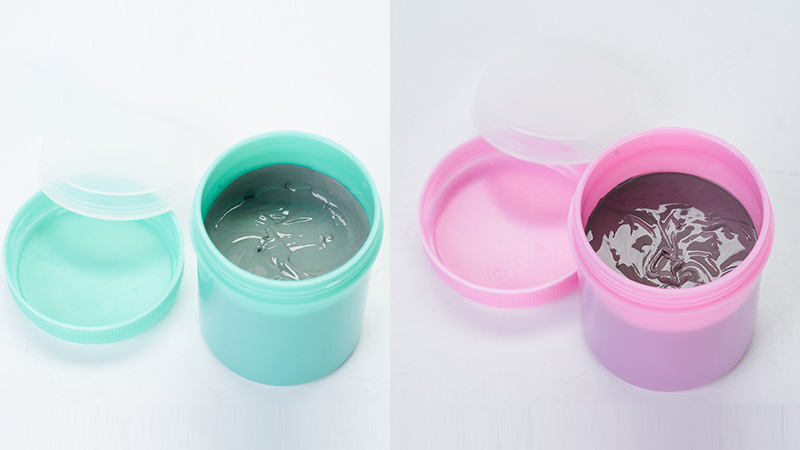
Can leaded and lead-free solder paste be used interchangeably? Let's start with the basic components of solder paste. Solder paste is generally divided into two types: leaded and lead-free. In simple terms, Leaded Solder Paste is solder paste rich in lead (Pb). Lead-free solder paste, also known as environmentally friendly solder paste, must comply with RoHS standards. Because RoHS sets clear requirements for lead, its lead content must not exceed 1000 ppm, which is why it is called lead-free solder paste. Therefore, the two types cannot be used interchangeably: when mixed, they fail to meet RoHS, and the consequence is that products will not pass export standards.
If both are lead-tin pastes, can they be used interchangeably? In this case, the metal composition of the solder paste must be refined. Lead-containing solder paste is usually composed of tin (Sn) and lead (Pb), or tin (Sn), lead (Pb) and silver (Ag). Generally speaking, tin-lead pastes are more common, with a little silver occasionally added to enhance conductivity. If silver-containing and silver-free leaded pastes are mixed, the silver ratio is diluted and product performance falls short of expectations. Therefore, different leaded solder pastes cannot be used interchangeably.
If both are lead-free pastes, can they be mixed? For example, high-temperature solder paste is made of tin, silver and copper, while low-temperature solder paste is made of tin and bismuth. Bismuth (Bi) is added precisely to lower the melting point. If they are combined, the melting point is bound to change, making it hard to achieve the target. Moreover, joints containing bismuth are also a bit more brittle, and the soldering effect declines. Therefore, solder paste should not be mixed in daily use.
Shenzhen JJY Industrial Technology Co., Ltd. is a manufacturer specializing for more than 15 years in the R&D and customization of solder paste, lead-free solder paste and leaded solder paste. To learn more about solder paste, please follow JJY Solder Paste Factory and leave us a message online.
Related Articles
- How to select solder paste for fine pitch QFN assembly without bridging
- What should be noted when soldering with lead-free solder wire?
- Troubleshooting inconsistent solder paste release from nano coated stencils
- How to select and handle solder paste for fine pitch SMT assembly
- Best practices for stencil printing with lead free solder paste
- Adjusting aperture design to improve solder paste release for 01005 components
- What Are the Solder Paste Manufacturers in Changzhou?
- Solder bridging between adjacent pins causing short circuits, key prevention for fine-pitch ICs


