SMT Solder Paste Manufacturers.

Focused on SMT soldering processes, a one-stop electronic soldering solutions provider.

Here you can find knowledge about Leaded Solder Paste, including but not limited to usage methods, installation techniques, troubleshooting and more. Focused on SMT soldering processes. If you can't find what you need, please contact us anytime.
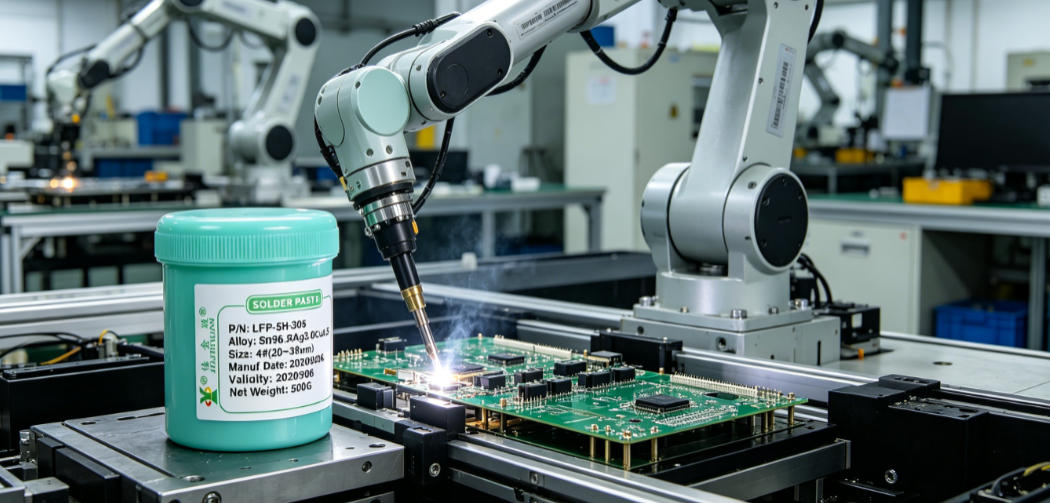
The selection of solder paste directly affects soldering quality and production costs. Lead-containing solder paste performs better in terms of melting point and fluidity, but environmental pressure has driven lead-free solder paste to become the mainstream. The pros and cons need to be weighed according to specific process requirements.
Published: 2026-08-28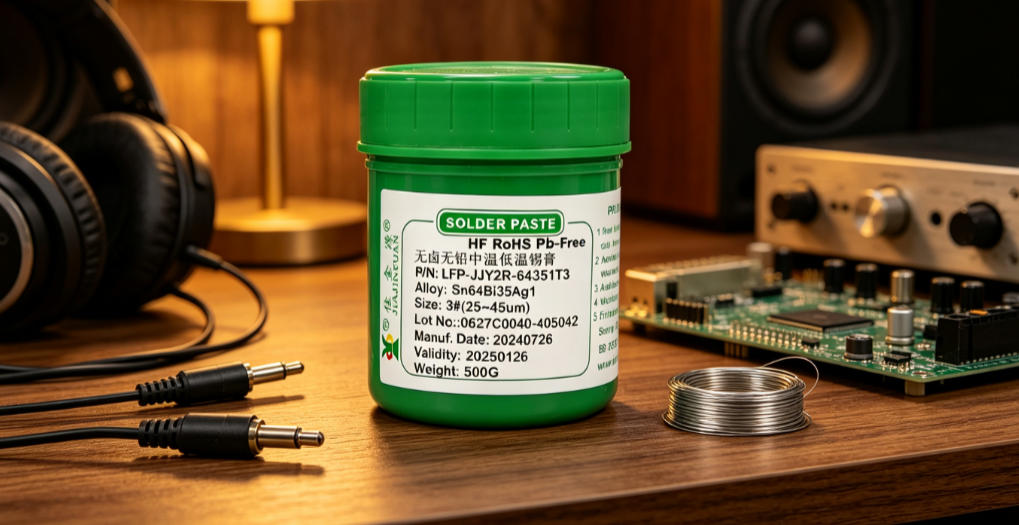
Both leaded and lead-free solder pastes have their own applicable scenarios. Leaded solder paste offers stable soldering performance but poor environmental friendliness, while lead-free solder paste complies with environmental regulations but has high process requirements. The selection should be comprehensively considered based on product characteristics, cost, and regulatory requirements.
Published: 2026-08-28
There are significant differences between leaded solder paste and lead-free solder paste in terms of composition, soldering performance, and environmental protection requirements. To distinguish between them, a comprehensive judgment should be made by combining appearance, composition testing, and process adaptability. Mastering the core differences helps improve production efficiency and product quality.
Published: 2026-08-28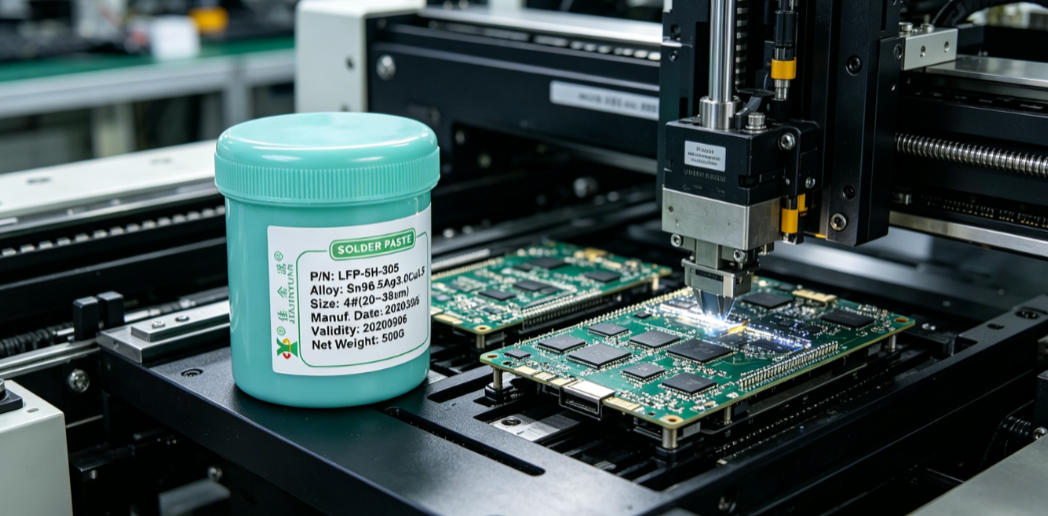
There are significant differences in temperature requirements between lead-free hot air solder leveling (HASL) and leaded HASL during the soldering process, and reasonable temperature control is the key to ensuring soldering quality. Lead-free HASL has a higher melting point and requires higher reflow soldering temperatures, while leaded HASL has a relatively lower melting point. However, leaded HASL has poor stability at high temperatures, so attention should be paid to optimizing process parameters.
Published: 2026-08-28
Solder paste has both leaded and unleaded variants, each with its own advantages and disadvantages, and the selection should be based on process requirements and environmental regulations. Leaded solder paste offers stable soldering performance and is suitable for traditional production lines; unleaded solder paste complies with environmental regulations, but has higher requirements for temperature control and equipment compatibility. In practical applications, cost, efficiency, and reliability should be comprehensively considered.
Published: 2026-08-28
Both leaded solder paste and lead-free solder paste have their own advantages, and the selection should be based on process requirements. Leaded solder paste offers stable soldering performance and lower cost, but has poor environmental friendliness; lead-free solder paste complies with environmental regulations, but has higher requirements for equipment and processes.
Published: 2026-08-28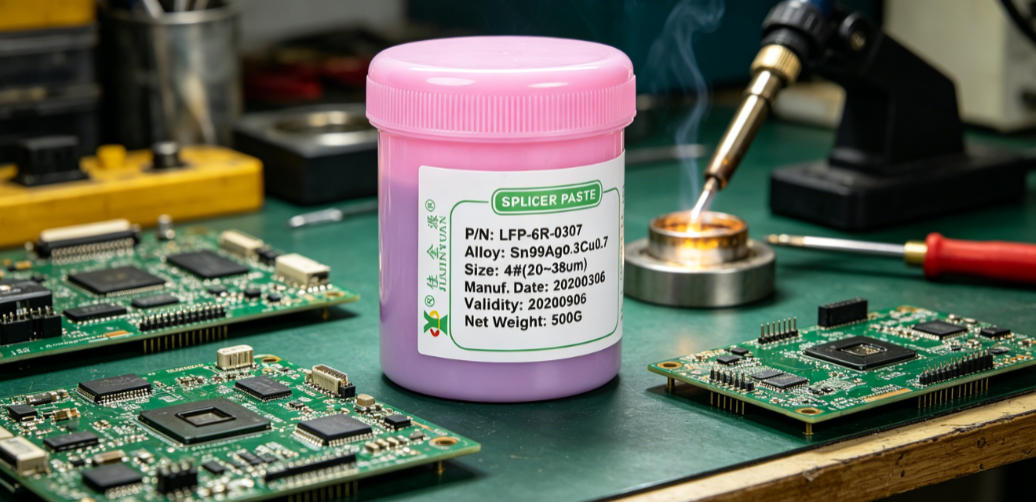
Lead-containing solder paste and lead-free solder paste each have their own advantages, and the selection should be based on process requirements and environmental protection regulations. Lead-containing solder paste offers stable soldering performance and is suitable for high-precision electronic products; lead-free solder paste complies with environmental regulations but is more sensitive to temperature control. In practical applications, a comprehensive evaluation should be conducted based on product characteristics, equipment conditions, and costs.
Published: 2026-08-28
Sn63Pb37 solder paste still has irreplaceable process stability in through-hole SMT production lines. Its eutectic properties bring low melting point, narrow reflow window and excellent wettability. However, limited by RoHS compliance pressure and lead-free mixed line risks, practical applications must directly address high-frequency failures such as solder joint cracking, cold solder joints, insufficient wetting, and stencil clogging, which are particularly evident in 0201 component soldering and double-sided board rework scenarios.
Published: 2026-08-27
How to select solder paste for SMT must be based on actual production line failures to reverse-engineer process adaptability. Lead-containing solder paste is easy to solder but restricted by RoHS; lead-free solder paste has a high reflow temperature, which easily causes BGA cold solder joints and PCB blistering; halogen-free solder paste, while solving halogen corrosion, sacrifices part of its wettability. The core of solder paste selection lies in matching equipment capabilities, component temperature resistance windows, and long-term reliability requirements. Especially for halogen-free solder paste applications in high-temperature and high-humidity environments, stencil aperture and reflow profile need to be adjusted simultaneously.
Published: 2026-08-27
Aiming at typical defects such as solder joint blackening, cold solder joints, and stencil clogging caused by solder paste and solder bar switching during the lead-free to leaded transition in the SMT line changeover process, this paper, based on real production line cases, details rapid response actions including emergency line shutdown and cleaning, flux residue removal, and equipment pipeline passivation treatment, and proposes root-cause elimination measures such as solder paste zoning management, solder bar batch binding, and dynamic monitoring of reflow oven nitrogen purity, providing an immediately executable closed-loop solder paste and solder bar switching process for SMT line changeover.
Published: 2026-08-27Our technical team is always ready to provide professional solder material selection advice and SMT process solutions.