SMT Solder Paste Manufacturers.

Focused on SMT soldering processes, a one-stop electronic soldering solutions provider.

Here you can find knowledge about Tin Ingot, including but not limited to usage methods, installation techniques, troubleshooting and more. Focused on SMT soldering processes. If you can't find what you need, please contact us anytime.
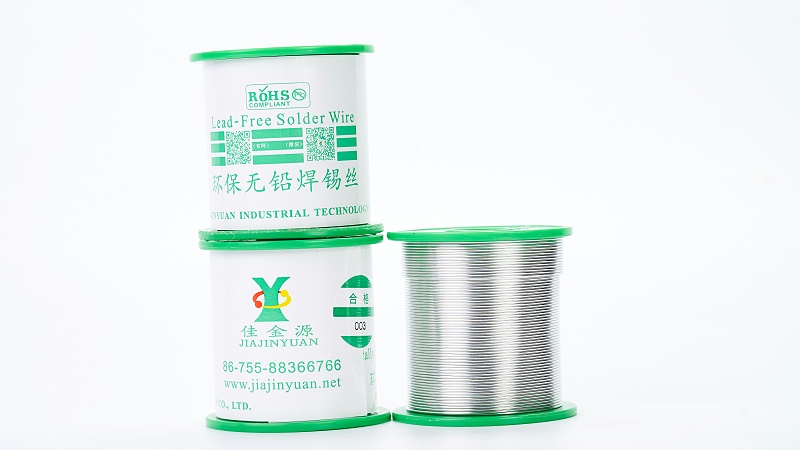
I believe that all of you have used lead-free products beforeLow-temperature tin wireBut what are it
Published: 2026-05-12This guide addresses real-world inconsistencies in solder paste release from nano-coated stencils by focusing on measurable process parameters, including squeegee speed (40–60 mm/s), pressure (5–7 N/cm), separation speed (1.5–2.5 mm/s), and stencil tension (35–45 N/cm), while integrating microscope verification at 200× magnification, environmental control at 22–25°C and 45–55% RH, and rigorous cleaning protocols using IPA-dampened lint-free wipes with <5% residue after 30-second dwell time.
Published: 2026-10-10This guide delivers field-tested stencil printing practices for lead-free solder paste, drawing on real-line experience with brands like Ecovision and Alpha Metals pastes used at Jiajinyuan for clients including Ecovacs, NARI Electric, Konka, and Chaowei Power, covering stencil design tolerances of ±0.01 mm, squeegee pressure between 4.5–6.5 kgf, print speed from 25–45 mm/s, and aperture reduction ratios of 0.78–0.85 for 0201 and 01005 components, while integrating humidity control at 40–60% RH and paste storage at 0–10°C to prevent oxidation and slump.
Published: 2026-10-09This technical guide details how adjusting stencil aperture geometry—specifically area ratio, wall angle, and land pattern alignment—directly improves solder paste release for 01005 components, drawing on real-world SMT line experience with clients including Ecovacs, NARI Electric, Konka, and Chaowei Power, where achieving ≥92% release efficiency required reducing aperture width from 0.22 mm to 0.20 mm while maintaining 0.18 mm length and applying 30° sidewall taper.
Published: 2026-09-30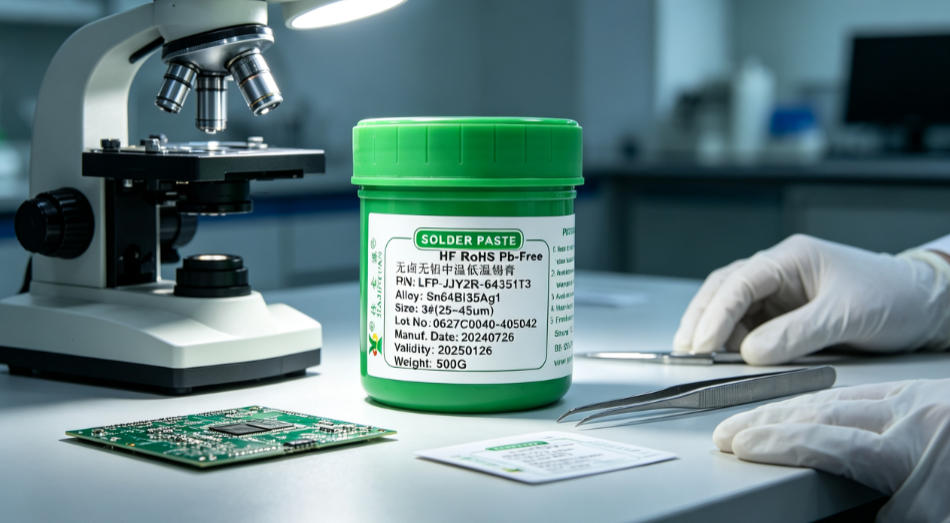
During the reflow soldering process, high-temperature solder paste exhibits poor solder wetting issues, which are closely related to the temperature profile settings, flux activity, and substrate cleanliness. It is necessary to optimize process parameters and strengthen process control to improve soldering quality.
Published: 2026-08-28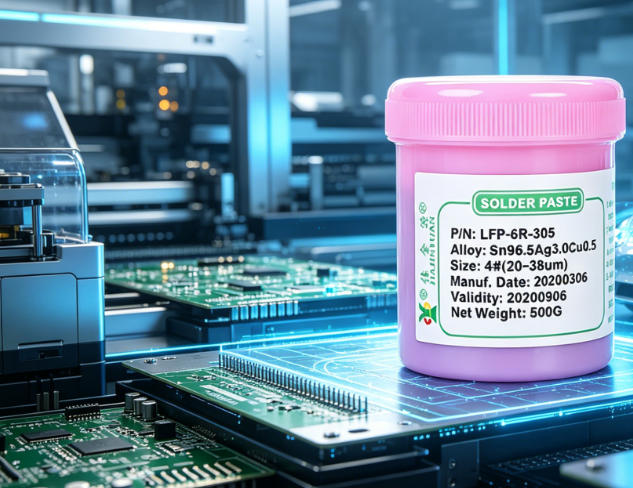
The production of high-end tin powder and solder paste places extremely high demands on technology, and there are few listed companies in China with the capability to do so. Such enterprises typically have deep expertise in materials R&D, process control, and equipment support, enabling them to meet the high-precision and high-stability requirements of the electronics manufacturing industry.
Published: 2026-08-28
There are significant differences between leaded solder paste and lead-free solder paste in terms of composition, soldering performance, and environmental protection requirements. To distinguish between them, a comprehensive judgment should be made by combining appearance, composition testing, and process adaptability. Mastering the core differences helps improve production efficiency and product quality.
Published: 2026-08-28
The melting point of lead-free solder paste is a key factor affecting soldering quality, and its properties directly determine the settings of the reflow soldering process. Lead-free solder pastes with different compositions have different melting point ranges, and suitable materials need to be selected according to practical applications.
Published: 2026-08-28
The viscosity of solder paste printing directly affects printing quality and soldering results. The appropriate viscosity range needs to be comprehensively adjusted based on equipment, environment, and solder paste type to ensure printing accuracy and production efficiency.
Published: 2026-08-28
During the chip desoldering process, selecting the appropriate solder paste is critical. High-quality solder paste can effectively improve soldering quality and efficiency while reducing the defect rate. The selection of solder paste should be based on process requirements and material properties to ensure good wettability and stability.
Published: 2026-08-28Our technical team is always ready to provide professional solder material selection advice and SMT process solutions.