SMT Solder Paste Manufacturers.

Focused on SMT soldering processes, a one-stop electronic soldering solutions provider.

Here you can find knowledge about Large Solder Bar 1kg, including but not limited to usage methods, installation techniques, troubleshooting and more. Focused on SMT soldering processes. If you can't find what you need, please contact us anytime.

For large-pitch conventional SMT production scenarios for LEDs, LFP-8MA-SC07 lead-free solder paste, with its high activity, low residue, and good solder climbing performance, is an ideal soldering material in the lighting industry and is suitable for conventional process requirements.
Published: 2026-08-28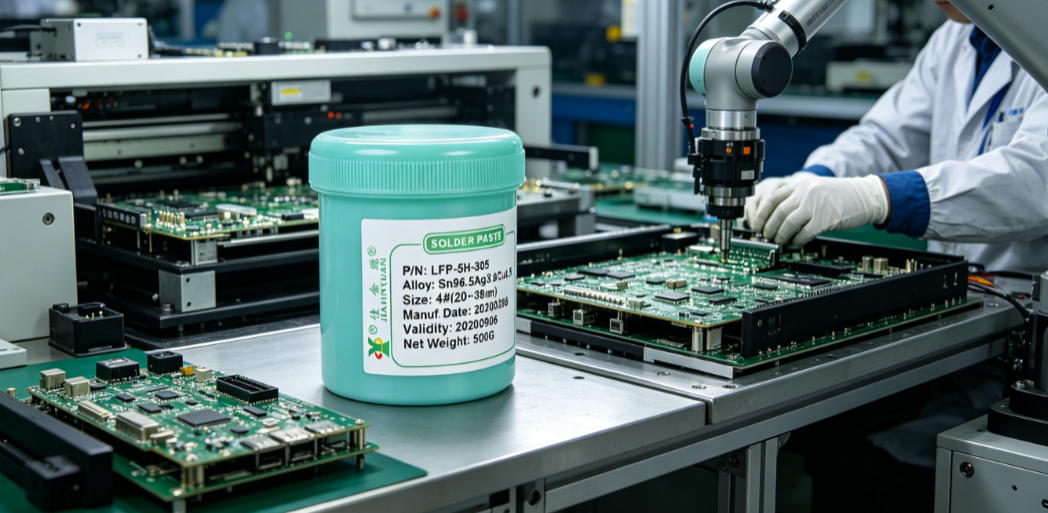
To address the frequent solder bridging and solder spike defects of large-size QFP devices in the SMT process, this paper starts from solder paste selection, and combines printing accuracy, reflow thermal response and metal powder distribution characteristics to elaborate on special solder pastes with high thixotropy, narrow particle size distribution (D50=18.5μm) and 90.2% metal content, such as
Published: 2026-08-27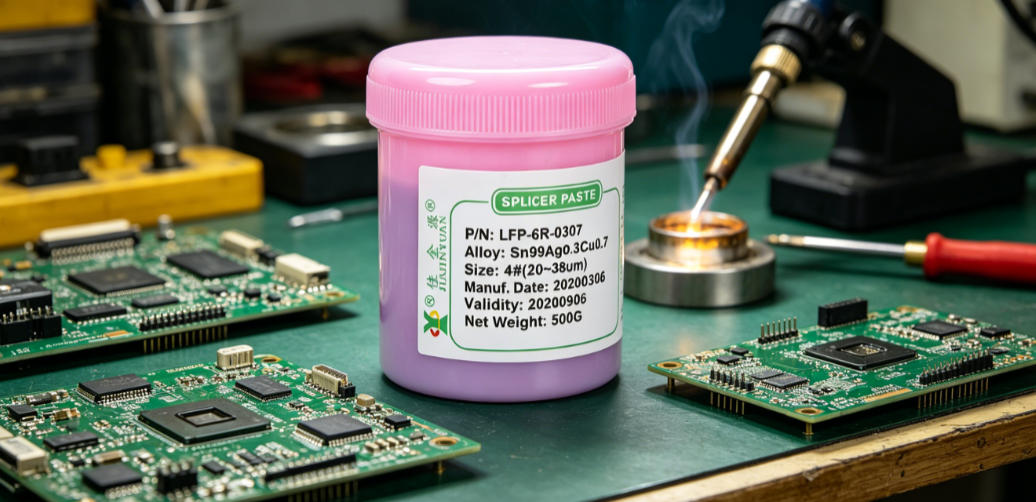
In the actual operation of SMT production lines, even when using solder paste from the same batch, defects such as cold solder joints, solder bridges, or tombstoning still occur frequently. The root cause lies in the coupled influence of multiple variables including printing accuracy, reflow profile, stencil tension, and ambient temperature and humidity. Based on 20 years of frontline commissioning experience, this article directly addresses the five practical root causes of solder paste soldering variations, covering key parameters such as squeegee pressure of 3.5~4.2kg, stencil aperture area ratio ≥0.66, and reflow peak temperature of 235±2℃, and provides immediately actionable calibration paths.
Published: 2026-08-27
In welding work, when confronted with the difficulty of excessive smoke, the key points lie in the f
Published: 2026-05-12Pin dip soldering using tin bars for molten tin is an efficient process for high-volume component preprocessing. It achieves uniform tin plating on pin surfaces through constant-temperature bath control, pre-coating of flux, and vertical immersion, significantly improving subsequent SMT placement yield and reflow soldering wettability. Jiajinyuan tin bars exhibit stable fluidity and minimal dross in the 183°C–205°C range, meeting the continuous operation requirements of pre-wave soldering processes.
Published: 2025-04-20Bridge formation is one of the most frequent soldering defects on SMT production lines. Low solder paste viscosity leads to aggravated slump after printing, while overly large stencil apertures directly expand the excess solder volume margin. The combination of the two makes it extremely easy to form solder bridges between adjacent pads. For the commonly used 8800 series solder paste from JJY, when its viscosity at 25℃ falls below 140 Pa·s and the aperture area exceeds the pad by more than 15%, the incidence of bridge formation rises significantly.
Published: 2025-01-01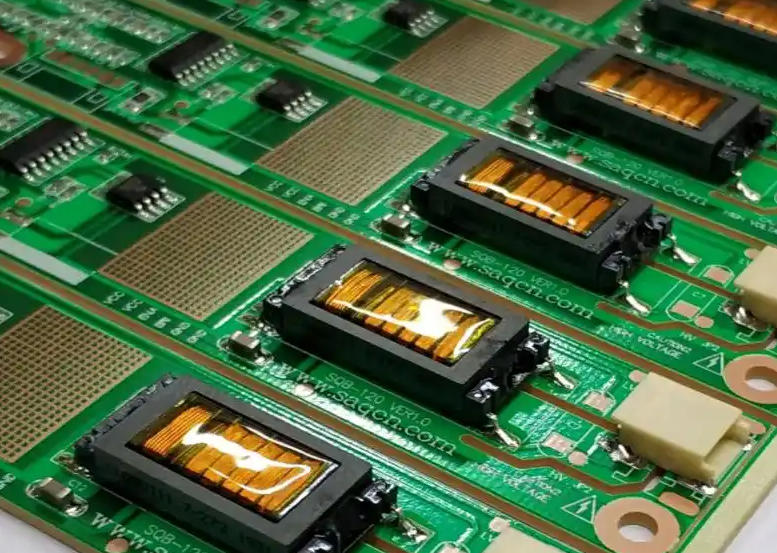
The large amount of smoke generated by solder wire during welding mainly comes from thermal decomposition of flux, excessively high welding temperature, excessively high rosin content in the solder wire, or poor ventilation. These factors jointly increase the generation intensity and toxicity risk of welding fumes, which is particularly prominent in wave soldering and manual soldering iron operations.
Published: 2021-08-03When soldering thick copper PCBs and multilayer boards with BGA, the significantly increased thermal capacity means conventional heating parameters can easily cause cold solder joints or chip warpage. It is necessary to specifically extend the preheating time, increase the temperature of the soaking zone, and slow down the peak heating slope to ensure synchronous melting of solder balls and overall thermal balance of the PCB.
Published: 2019-04-12Cold soldering is one of the most stubborn soldering defects in SMT production of large thick copper boards, occurring frequently especially on PCBs with copper thickness ≥2oz and dimensions ≥400mm×300mm. The root cause is that the large heat capacity of the copper substrate and delayed temperature rise lead to insufficient solder paste reflow. In production line tests, Jiajinyuan cold soldering repair paste can reduce the cold soldering defect rate from 1.8% to below 0.3%.
Published: 2018-02-07When manually soldering wiring harness terminals, using large-size solder wire of 1.6mm or above with a soldering iron temperature of 350℃±10℃ can achieve full-formed solder joints at one time without cold soldering, sharp tips or dry joints, significantly improving the electrical connection reliability of the wiring harness under vibration conditions. This process has been batch verified on multiple new energy vehicle high-voltage wiring harness production lines of JJY.
Published: 2016-10-29Our technical team is always ready to provide professional solder material selection advice and SMT process solutions.