SMT Solder Paste Manufacturers.

Focused on SMT soldering processes, a one-stop electronic soldering solutions provider.

Here you can find knowledge about Lead-Free Solder Paste, including but not limited to usage methods, installation techniques, troubleshooting and more. Focused on SMT soldering processes. If you can't find what you need, please contact us anytime.
The pin dip soldering lead-free alloy process, by precisely controlling dip soldering temperature, time, and alloy composition ratio, effectively avoids the ROHS compliance risks of traditional lead-containing processes. It has been stably operating on multiple export production lines of JJY for over three years, with its solder joint wettability, thermal fatigue resistance, and surface gloss all meeting the requirements of the IEC61191-2 standard.
Published: 2022-02-12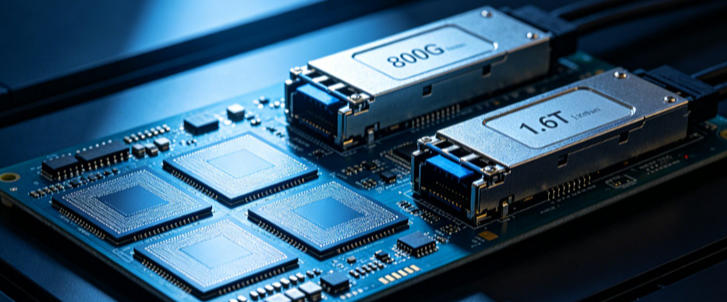
Lead-containing and lead-free solder wires must not be mixed on the same production line. Due to the large difference in melting points, incompatible flux systems, and high risk of residue corrosion, mixing them will lead to cold solder joints, bridging, brittle solder joint cracking, and AOI misjudgment. The 217°C melting point of lead-free solder and the 183°C melting point of lead-containing solder wire create a thermal stress conflict, and their halogen contents and activation temperatures differ, which can easily cause batch soldering defects.
Published: 2021-11-12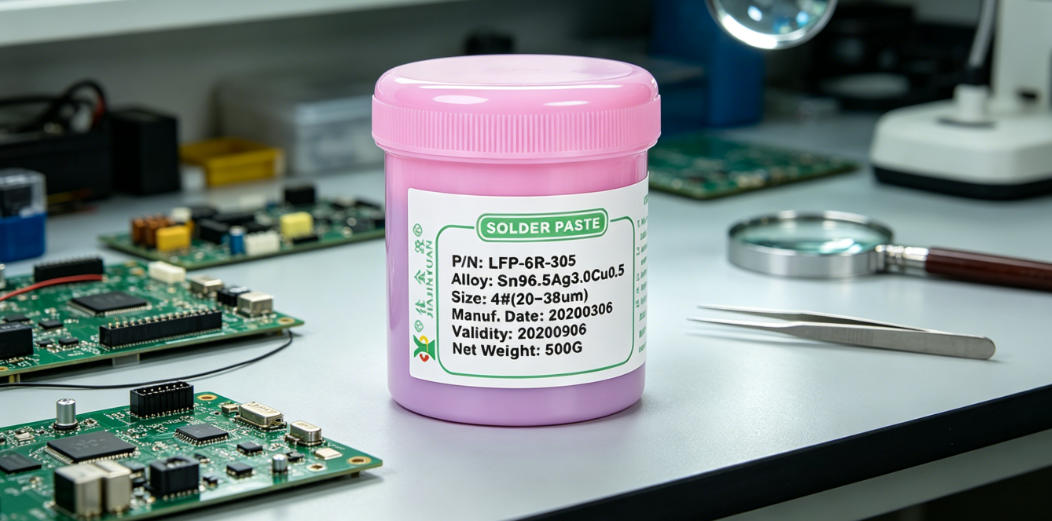
Although solder wires, solder bars and solder paste all belong to the lead-free solder system, differences in their forms lead to different design logics for alloy composition. In actual production lines, mixing them easily causes problems such as poor wettability, increased void rate and whitening residue after reflow soldering. The alloy ratios of the three cannot be simply interchanged; dedicated formulations matching the corresponding form must be selected according to process requirements.
Published: 2021-05-30Using lead-free solder in the tin dipping process can significantly improve the solderability and corrosion resistance of wiring harness connector terminals, meeting RoHS environmental protection requirements. Jiajinyuan SAC305 series lead-free solder achieves uniform coating thickness control of 8-12 μm at a melting point of 183°C, adapting to the cycle time of continuous tin dipping production lines for terminals with wire diameters of 0.3mm-1.2mm.
Published: 2020-09-26The full range of SGS solder lead-free and halogen-free solder pastes, solder wires, and solder bars complies with RoHS and IEC 61249-2-21 standards. The solder paste supplied by Jiajinyuan delivers a stable yield of 99.2% in 0.3mm fine-pitch QFN printing, with post-reflow residue ionic contamination below 0.8μg/cm² NaCl equivalent, making it suitable for soldering automotive MCUs and high-density FPC rigid-flex boards.
Published: 2019-11-01The process window setting for lead-free solder paste reflow soldering must balance the coordinated control of peak temperature and soaking zone. Jia Jinyuan lead-free solder paste performs stably in the peak temperature range of 235°C to 245°C. However, if the soaking zone temperature is below 150°C and the duration is less than 60 seconds, it can easily lead to poor wetting and increased void rate. In actual production lines, the conveyor speed and the power of each temperature zone need to be dynamically adjusted based on the measured curves from a temperature profiler.
Published: 2018-06-18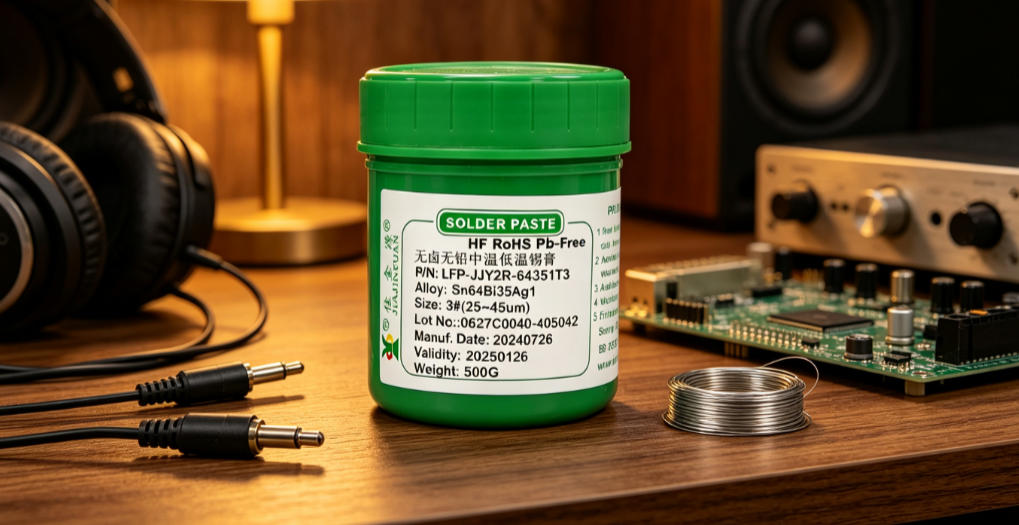
The poor wettability of lead-free solder paste requires simultaneous examination of both material and process pathways. The activity of the flux, metal content, and particle distribution in the solder paste directly affect its wetting and spreading ability, while process variables such as printing parameters, reflow profile, and PCB surface condition cannot be ignored. In actual production lines, approximately 68% of wetting defects are jointly caused by improper stencil aperture design and low reflow peak temperature.
Published: 2016-07-19The production of export wiring harness connectors must comply with the RoHS lead-free regulations, and connector solder must adopt compliant ratios such as Sn96.5/Ag3.0/Cu0.5. Jiajinyuan solder has stable wettability at a peak temperature of 245℃, and is compatible with terminal crimping and reflow soldering of multiple specifications with wire diameters ranging from 0.13 to 2.5mm. In mass production, the defect rates of solder balls, cold soldering, insufficient solder climbing and other defects are controlled within 800ppm.
Published: 2015-05-10Lead-free and halogen-free solder options for electronics manufacturing have become mainstream. Jiajinyuan provides dual-system lead-free solders: Sn96.5Ag3.0Cu0.5 and Sn99.3Cu0.7, while also supporting halogen-free formulations with Br < 900 ppm and Cl < 900 ppm, meeting the full requirements of IEC 61249-2-21, JPCA-ES-01-2021, and RoHS3, and adapting to different product standards for consumer electronics, automotive electronics, and medical devices.
Published: 2013-08-12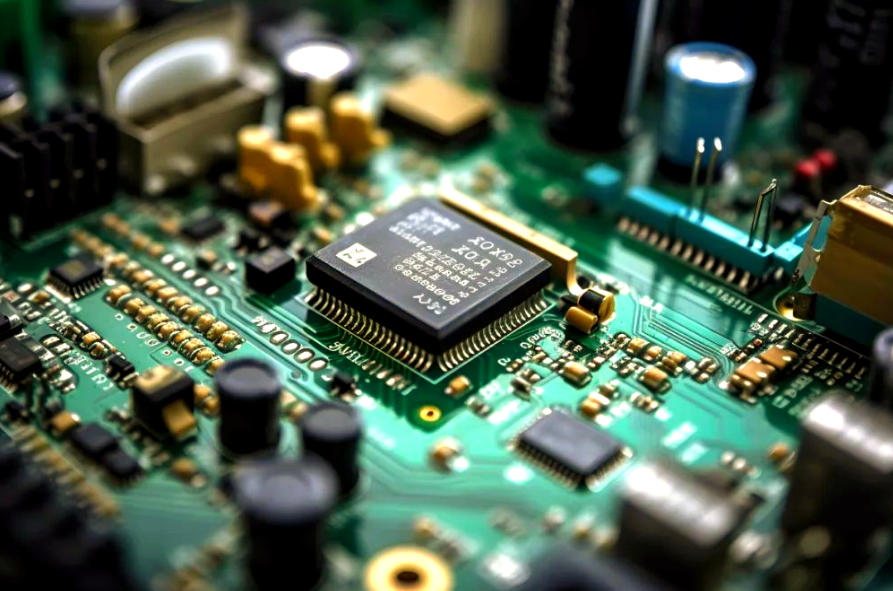
The melting point of lead-free solder wire is usually between 217°C and 227°C. During actual soldering, the soldering iron temperature should be set between 320°C and 360°C to compensate for heat loss and ensure wettability. Different wire diameters, flux contents, and PCB heat capacities significantly affect the optimal temperature setting. In production lines, real-time fine adjustments are often made through spike tests and solder joint gloss inspection.
Published: 2011-05-07Our technical team is always ready to provide professional solder material selection advice and SMT process solutions.