SMT Solder Paste Manufacturers.

Focused on SMT soldering processes, a one-stop electronic soldering solutions provider.

Here you can find knowledge about High Anti-Oxidation Solder Bar, including but not limited to usage methods, installation techniques, troubleshooting and more. Focused on SMT soldering processes. If you can't find what you need, please contact us anytime.
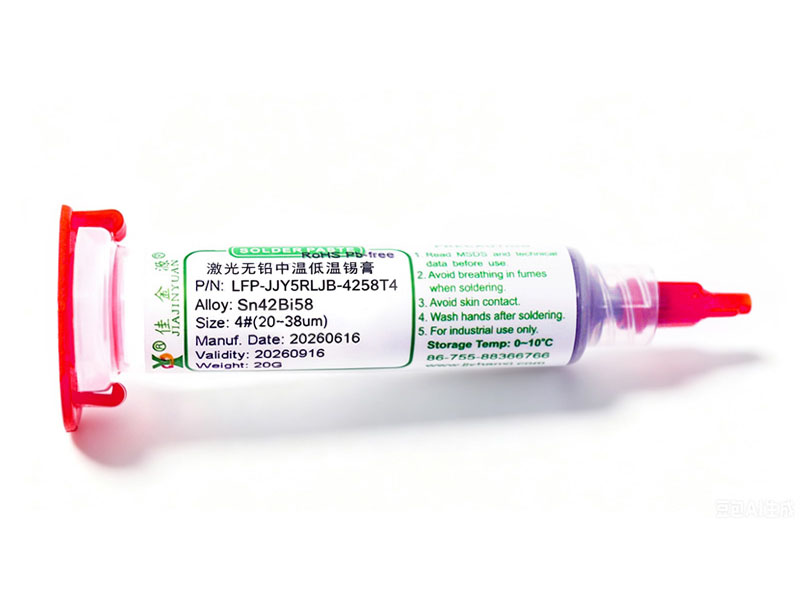
LFP?5RLJ?0307 laser high-temperature solder paste is specifically designed for jet valve laser welding, featuring high activity and low residue. It is suitable for precision dispensing scenarios such as pneumatic valves and screw valves. Its halogen-free formula and stable alloy powder ensure no solder beads during the welding process, improving process reliability and product yield.
Published: 2026-08-28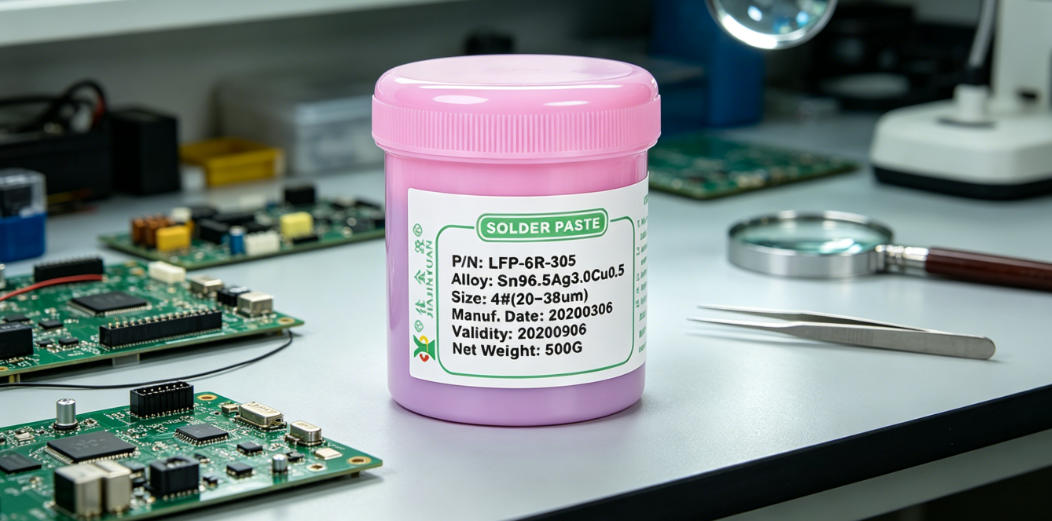
High-temperature solder paste and medium-temperature solder paste have distinctly different thermal stress responses, component compatibility, and rework difficulty in SMT production lines due to their melting point differences. High-temperature solder paste is suitable for high-reliability automotive electronics and high-power modules, while medium-temperature solder paste is mostly used in consumer motherboards containing heat-sensitive components such as BGA and MLCC. Incorrect selection will directly cause batch failures such as solder joint voiding, tombstoning, or PCB delamination.
Published: 2026-08-27
Addressing the widespread issue of excessive solder paste voids in high-thermal-dissipation PCBs during SMT reflow soldering, this paper draws on 20 years of practical production line experience to systematically outline 6 types of high-frequency failure phenomena. These cover real-world causes including heat sink design defects, mismatched stencil apertures, improper solder paste selection, uncontrolled printing parameters, imbalanced reflow profiles, and fluctuating nitrogen purity. For each cause, immediately actionable calibration steps and routine preventive measures are provided, directly targeting the core process bottlenecks for SMT void improvement in high-thermal-dissipation PCBs.
Published: 2026-08-27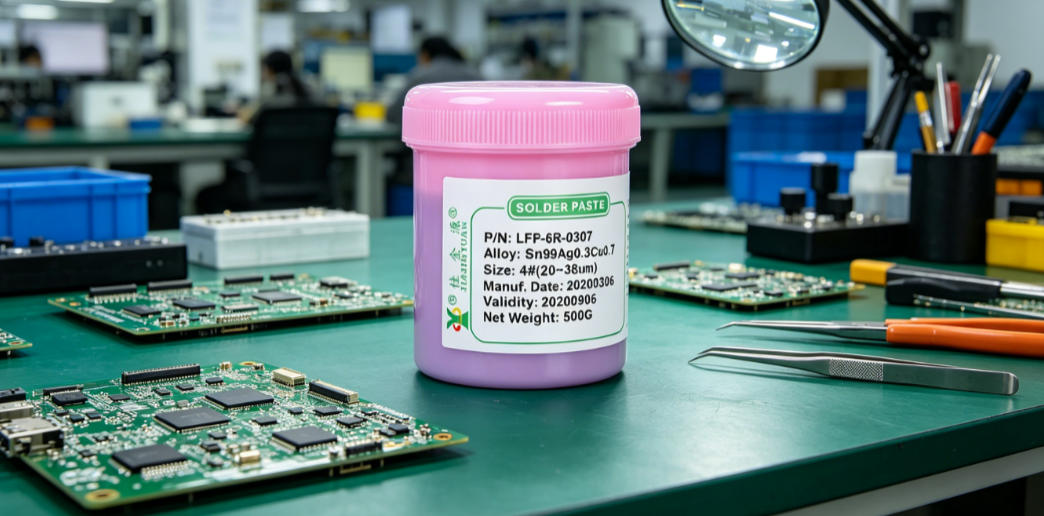
In high-current terminal welding, improper solder wire selection and uncontrolled soldering iron temperature commonly cause cold solder joints, dry solder joints, or thermal damage to terminal base materials. This article directly addresses real-world misconceptions on production lines, covering six major pitfalls including flux residue corrosion, mismatched wire diameters with solder wire specifications, and temperature settings that ignore heat capacity differences. It emphasizes that terminal welding must reverse-engineer solder wire activity grade and diameter based on current-carrying capacity, and dynamically adjust soldering iron temperature according to terminal material thickness.
Published: 2026-08-27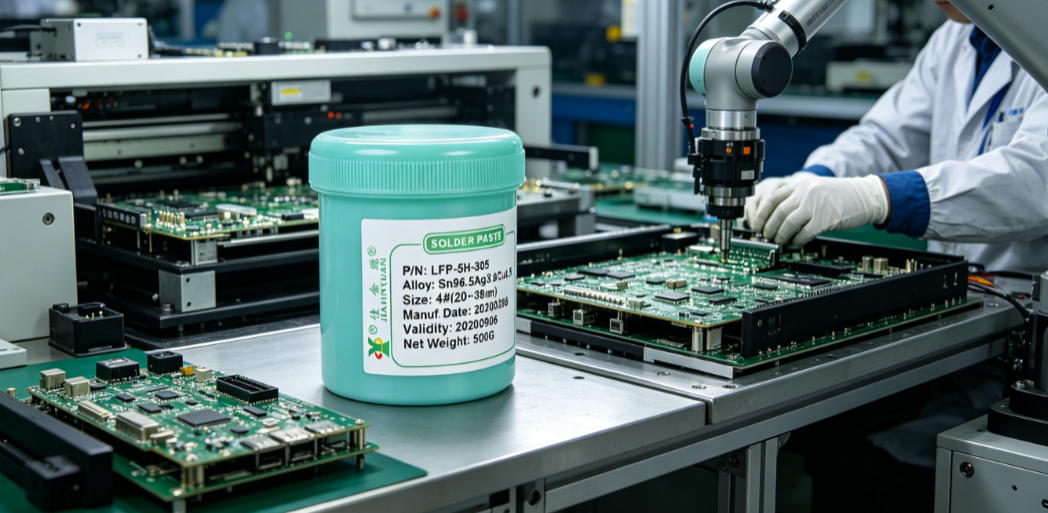
Excessive soldering iron temperature will accelerate the oxidation of solder wire, cause peeling of pad copper foil, thermal damage to components, and frequent cold solder joints and false solder joints. According to Clause 8.2.3 of IPC-J-STD-001H, the recommended temperature range for manual soldering iron welding is 300℃~380℃, and exceeding 400℃ constitutes a process failure risk. In actual production lines, more than 75% of solder joint wetting defects are directly related to temperature out-of-control.
Published: 2026-08-27
Excessive BGA voiding rate is a high-frequency cost leakage point in SMT production lines. Based on measured data from mass production lines, this paper proposes six actionable SMT process optimization measures covering key links such as solder paste selection, stencil aperture design, printing parameters, reflow profile, and nitrogen purity control. Each measure is annotated with applicable scenarios, quantified benefits, and implementation risks. The combined strategy of stencil aperture optimization and dynamic nitrogen purity monitoring is recommended as a priority, with an estimated annual cost reduction of 186,000 yuan per line.
Published: 2026-08-27
Oxidation of PCB solder pads severely impairs the wettability of SMT soldering and the formation of intermetallic compounds. Even using high-activity solder paste and optimizing the reflow profile cannot compensate for the lack of interfacial bonding strength. The solderability of copper pad surfaces must be restored through source control, chemical activation, and coordinated process parameters.
Published: 2026-08-27
For the selection of solder wire and solder bar alloys for equipment operating in high-temperature environments, this article directly addresses the real pain points of SMT production lines. Focusing on five core issues: melting point matching, thermal fatigue resistance, wettability degradation, flux residue corrosion, and oxide film suppression, it provides immediately actionable troubleshooting paths and process adjustment measures. All solutions are validated by 20 years of on-site commissioning data, with no theoretical explanations—only practical guidance.
Published: 2026-08-27
The LFP-5RTS series halogen-free and lead-free high-temperature solder paste is suitable for high-temperature reflow soldering processes, and delivers excellent soldering stability and environmental performance.
Published: 2026-08-24
The LFP-5RNTT series halogen-free and lead-free high-temperature solder paste is renowned for its low residue, high reliability, and environmental compliance, making it a preferred soldering material in the electronics manufacturing industry.
Published: 2026-08-24Our technical team is always ready to provide professional solder material selection advice and SMT process solutions.