
Focused on SMT soldering processes, a one-stop electronic soldering solutions provider.

Here you can find knowledge about Solder Wire, including but not limited to usage methods, installation techniques, troubleshooting and more. Focused on SMT soldering processes. If you can't find what you need, please contact us anytime.

This article examines how thermal cycling, intermetallic compound formation, and elemental diffusion dynamically alter the microstructure of solder wire joints during reflow and service life, emphasizing practical implications for joint reliability, crack initiation sites, and failure modes observed in SMT assemblies using Sn63Pb37 or SAC305 solder wire, with direct relevance for process engineers optimizing reflow profiles and quality inspectors evaluating cross-sectioned joints.
Published: 2026-11-10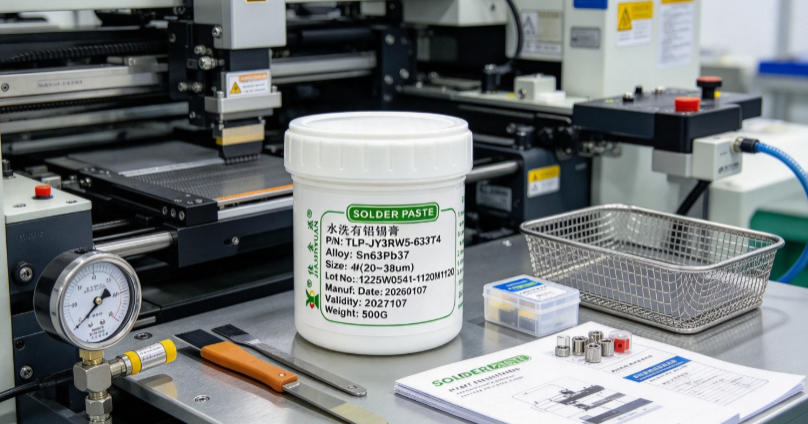
This portfolio details the functional distinctions, material compositions, and application-specific trade-offs among Solder Paste, Solder Wire, and Solder Bar across modern electronics manufacturing; it clarifies how particle size distribution in Solder Paste governs stencil printing fidelity, why flux-core geometry and diameter tolerance in Solder Wire dictate hand-soldering repeatability, and how alloy homogeneity and surface oxide control in Solder Bar enable stable wave soldering bath performance, all while emphasizing real-world process constraints like refrigerated storage for paste, wire feed consistency under tension, and bar stacking density during melting.
Published: 2026-11-10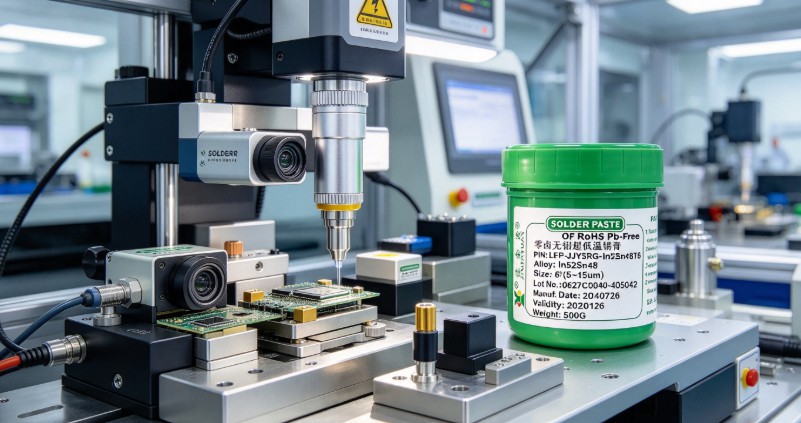
Solder wire undergoes measurable physical and chemical aging over time, with oxidation, flux degradation, and intermetallic compound formation driving performance decline; long-term storage under ambient conditions accelerates solder joint brittleness, wettability loss, and inconsistent melting behavior, making aging a critical factor in reliability planning for high-integrity SMT assemblies where solder wire change must be tracked via lot-specific shelf-life protocols, environmental exposure logs, and periodic functional verification.
Published: 2026-11-09This document covers a single‑core solder wire with Sn63/Pb37 alloy, 1.0 mm diameter and 2 % flux co
Published: 2026-11-09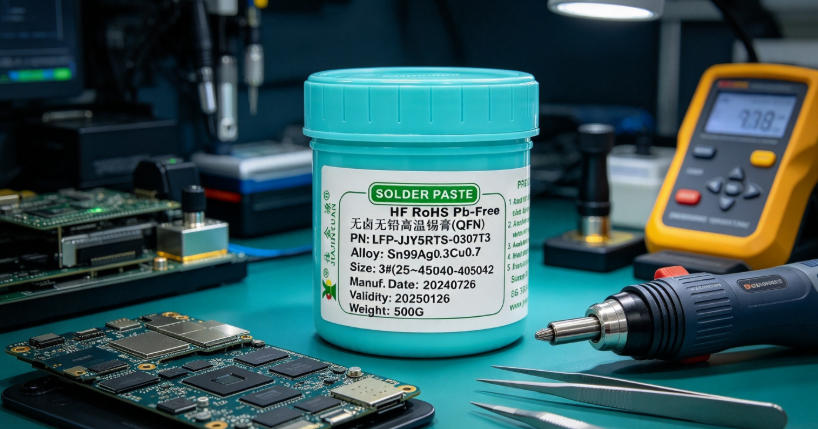
Achieving the optimal Solder Wire Cost And Performance balance demands rigorous evaluation of alloy composition, flux activity, diameter tolerance, and thermal response—not through isolated cost-cutting but by mapping each parameter to real-world solder joint reliability, wetting speed, voiding rate, and operator fatigue over extended production cycles, where even a 0.05 mm diameter deviation or 5% flux solids variation can trigger rework spikes in fine-pitch QFN assemblies or lead-free wave soldering lines.
Published: 2026-11-09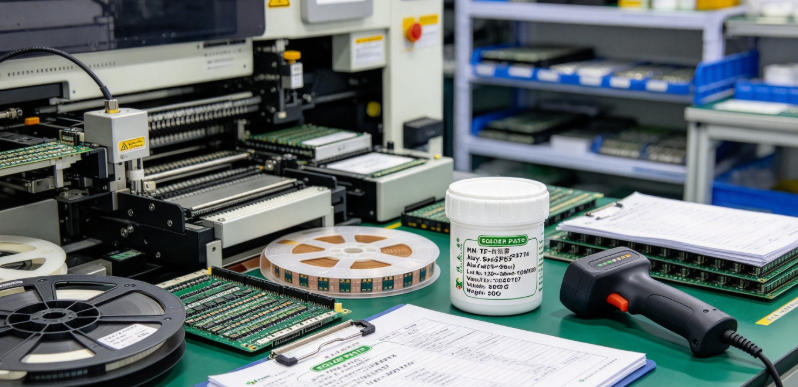
This explanation clarifies the Solder Wire Product Grading system used across manufacturing, procurement, and quality assurance workflows, emphasizing how alloy composition, diameter tolerance, flux content uniformity, surface oxide level, and spool packaging integrity collectively determine grade classification; it highlights that Grade A wire meets strict IPC-J-STD-006B specifications for no-clean rosin-core applications, Grade B allows ±5% diameter deviation and up to 1.2% surface oxide for general-purpose rework, and Grade C is restricted to non-critical hand-soldering where visual inspection replaces automated optical verification, ensuring engineers select appropriate Solder Wire based on process sensitivity, reliability requirements, and cost constraints.
Published: 2026-11-08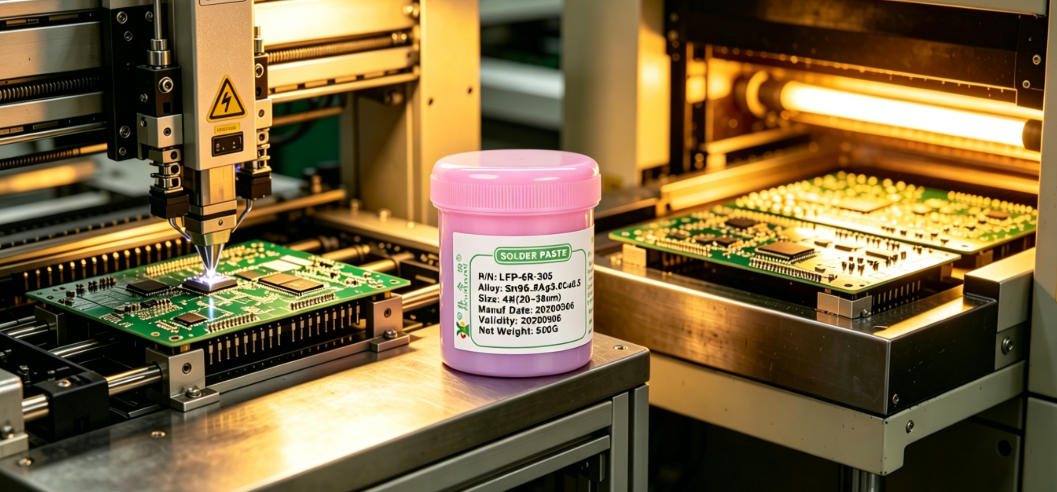
Solder wire formulated with low temperature alloy compositions offers advantages in heat-sensitive applications but exhibits inherent mechanical and metallurgical weaknesses, including reduced tensile strength, poor wetting on high-melting-point substrates, increased susceptibility to brittle fracture under thermal cycling, and compromised intermetallic layer stability; these limitations stem directly from the depressed eutectic temperatures and altered phase distributions characteristic of low temperature alloy systems used in solder wire manufacturing.
Published: 2026-11-07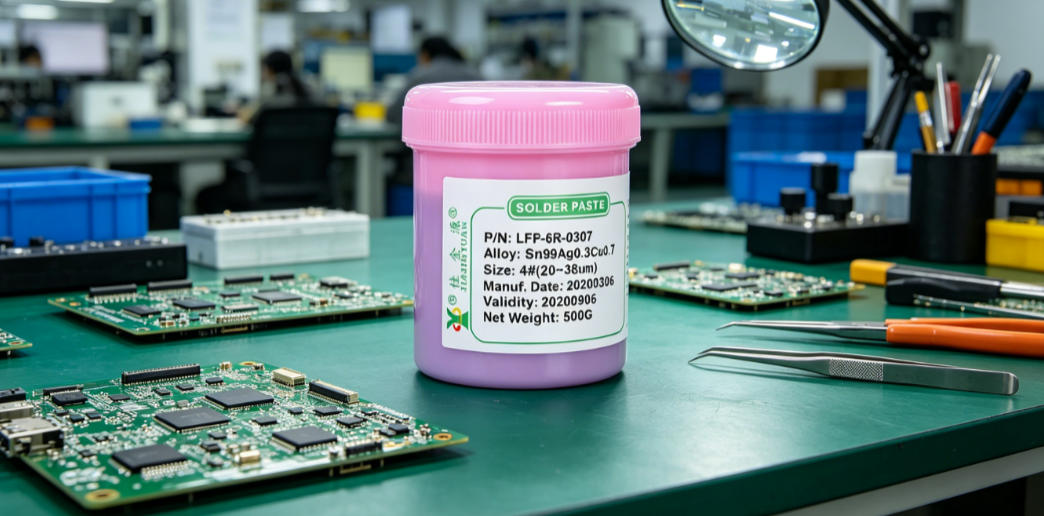
Solder wire exposed to ambient moisture undergoes progressive degradation through oxidation, flux destabilization, and intermetallic compound disruption, leading to poor wetting, void formation, and brittle joints; understanding the moisture damage mechanism of solder wire is essential for storage protocol optimization, real-time humidity monitoring in SMT environments, and reliable joint formation during hand-soldering or wave soldering processes.
Published: 2026-11-06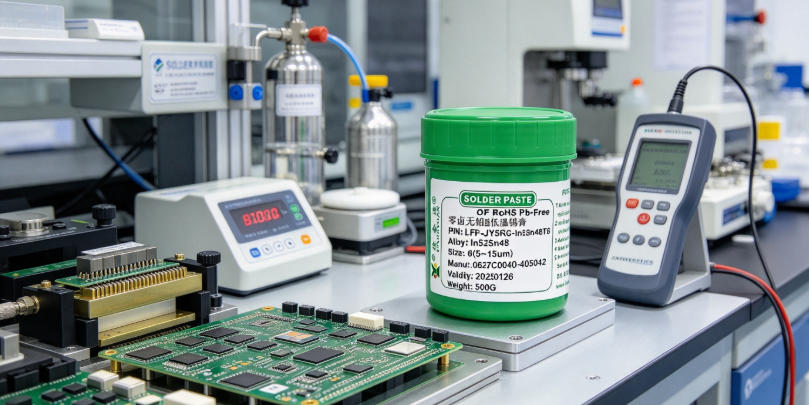
Solder wire flux residue poses a serious long-term corrosion risk to printed circuit board assemblies, especially in humid or thermally cycled environments, where unremoved rosin or halide-based activators can form conductive electrolytes that attack copper traces, component leads, and solder joints, leading to dendritic growth, leakage current, and premature field failure; understanding flux chemistry, post-solder cleaning efficacy, and IPC-compliant inspection criteria is essential for mitigating corrosion across high-reliability electronics manufacturing.
Published: 2026-11-06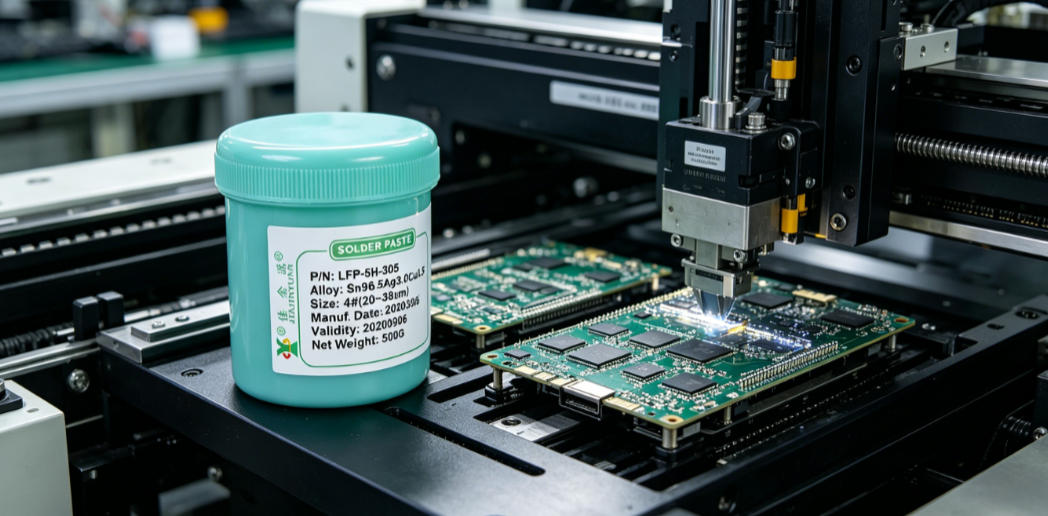
This article examines how trace Fe impurities critically affect the microstructure, mechanical behavior, and intermetallic compound formation in Sn-based solder wire alloys, emphasizing that even Fe concentrations as low as 0.01 wt% can trigger coarse FeSn2 precipitation at grain boundaries, reduce ductility by up to 35%, accelerate flux decomposition during reflow, and compromise wetting performance on Cu substrates, all of which directly impact SMT line yield, joint reliability, and long-term thermal cycling endurance for high-density electronics assemblies.
Published: 2026-11-05Our technical team is always ready to provide professional solder material selection advice and SMT process solutions.