SMT Solder Paste Manufacturers.

Focused on SMT soldering processes, a one-stop electronic soldering solutions provider.

Here you can find knowledge about Solder Paste, including but not limited to usage methods, installation techniques, troubleshooting and more. Focused on SMT soldering processes. If you can't find what you need, please contact us anytime.

Both solder paste and solder cream have their respective advantages in the SMT process. Solder paste is suitable for high-density, fine-pitch soldering requirements, while solder cream is more suitable for traditional SMT processes. The selection should be based on specific application scenarios and equipment conditions.
Published: 2026-08-28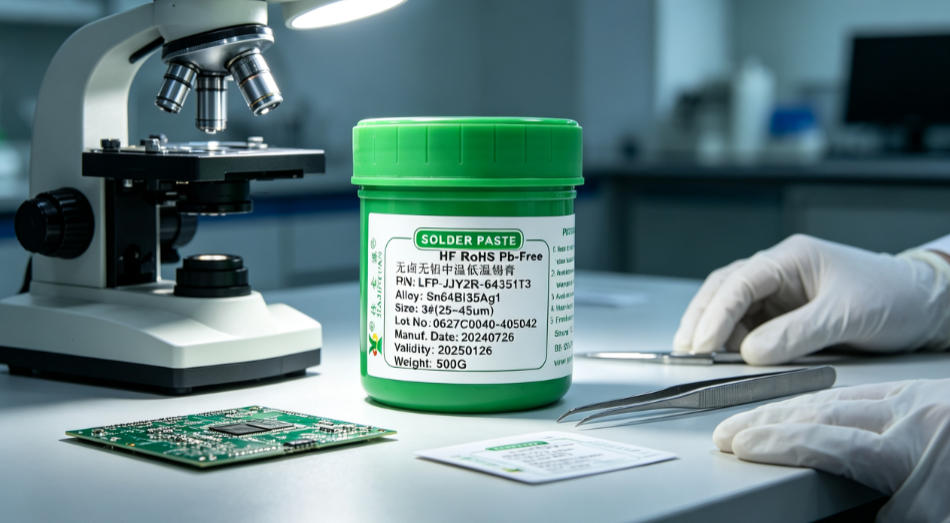
Solder paste printing on circuit boards is a key step in the SMT process, directly affecting soldering quality and production efficiency. By selecting the appropriate solder paste type, controlling printing parameters, and optimizing operational procedures, product yield can be effectively improved.
Published: 2026-08-28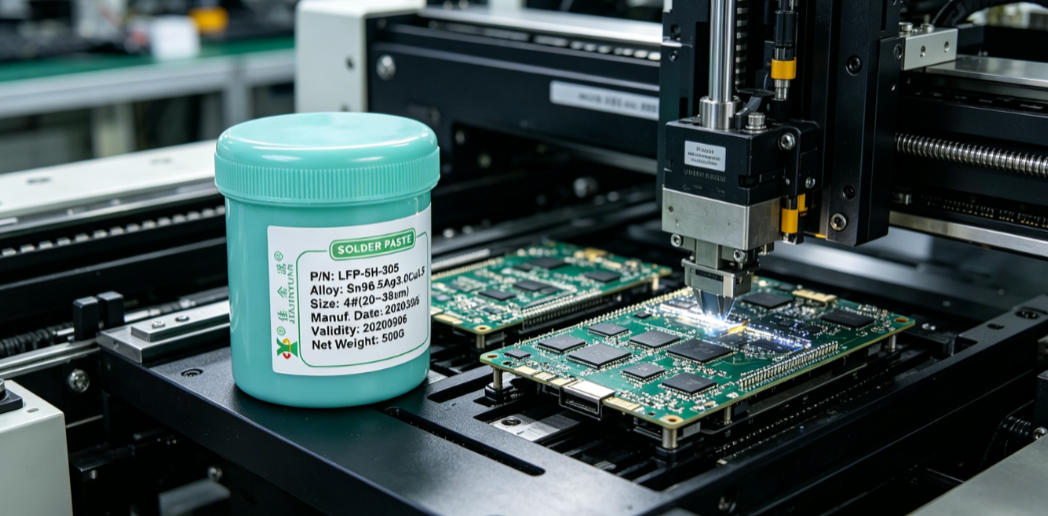
There are significant differences in temperature requirements between lead-free hot air solder leveling (HASL) and leaded HASL during the soldering process, and reasonable temperature control is the key to ensuring soldering quality. Lead-free HASL has a higher melting point and requires higher reflow soldering temperatures, while leaded HASL has a relatively lower melting point. However, leaded HASL has poor stability at high temperatures, so attention should be paid to optimizing process parameters.
Published: 2026-08-28
When solder paste becomes too dry, solder paste thinner can be used for adjustment to ensure its fluidity and printing performance. In actual production, the appropriate thinning method should be selected based on the type of solder paste and environmental conditions to avoid affecting soldering quality.
Published: 2026-08-28
Solder paste has both leaded and unleaded variants, each with its own advantages and disadvantages, and the selection should be based on process requirements and environmental regulations. Leaded solder paste offers stable soldering performance and is suitable for traditional production lines; unleaded solder paste complies with environmental regulations, but has higher requirements for temperature control and equipment compatibility. In practical applications, cost, efficiency, and reliability should be comprehensively considered.
Published: 2026-08-28
Solder paste is an indispensable material in the SMT process, making it crucial to select reliable suppliers and reasonable procurement methods. Starting from actual production requirements, this article introduces the purchasing channels for solder paste, key considerations in procurement, and solutions to common problems, to help engineers and procurement personnel efficiently complete solder paste procurement.
Published: 2026-08-28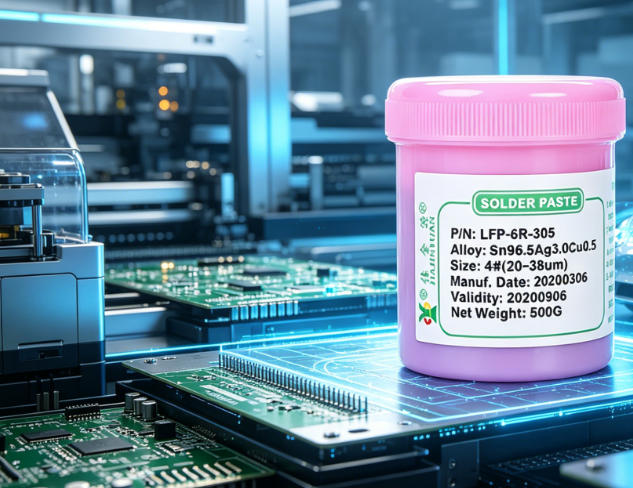
Both solder paste die attach and solder preform die attach require reflow soldering in the SMT process, but there are significant differences between the two in specific applications. Solder paste die attach involves printing solder paste, placing components, and then achieving soldering through reflow soldering, while solder preform die attach directly uses preformed solder sheets for placement, which also requires reflow soldering to complete the connection. The core keywords solder paste die attach and reflow soldering run through the entire process flow.
Published: 2026-08-28
The selection of LED lamp bead solder paste should be combined with the welding process and material characteristics to ensure the stability and reliability of the connection. The composition, viscosity and activity of the solder paste directly affect the welding effect, and the reflow soldering temperature profile and component type should be comprehensively considered when selecting.
Published: 2026-08-28
The melting point of lead-free solder paste is a key factor affecting soldering quality, and its properties directly determine the settings of the reflow soldering process. Lead-free solder pastes with different compositions have different melting point ranges, and suitable materials need to be selected according to practical applications.
Published: 2026-08-28
The viscosity of solder paste printing directly affects printing quality and soldering results. The appropriate viscosity range needs to be comprehensively adjusted based on equipment, environment, and solder paste type to ensure printing accuracy and production efficiency.
Published: 2026-08-28Our technical team is always ready to provide professional solder material selection advice and SMT process solutions.