SMT Solder Paste Manufacturers.

Focused on SMT soldering processes, a one-stop electronic soldering solutions provider.

Here you can find knowledge about Solder Composition, including but not limited to usage methods, installation techniques, troubleshooting and more. Focused on SMT soldering processes. If you can't find what you need, please contact us anytime.
X-Ray inspection is the only non-destructive method in SMT production lines that can penetrate packages to directly observe the internal structure of hidden solder joints such as BGA and QFN. It is mainly used to detect invisible defects such as solder joint voids, cold solder joints, and solder ball offset. Especially in the mass production of automotive-grade and industrial-grade high-reliability products, with 0.5μm detail resolution and real-time dynamic imaging capability, Jia Jinyuan X-Ray inspection equipment stably maintains the recognition rate of defective solder joints with a void rate exceeding 25% at over 99.7%.
Published: 2023-11-17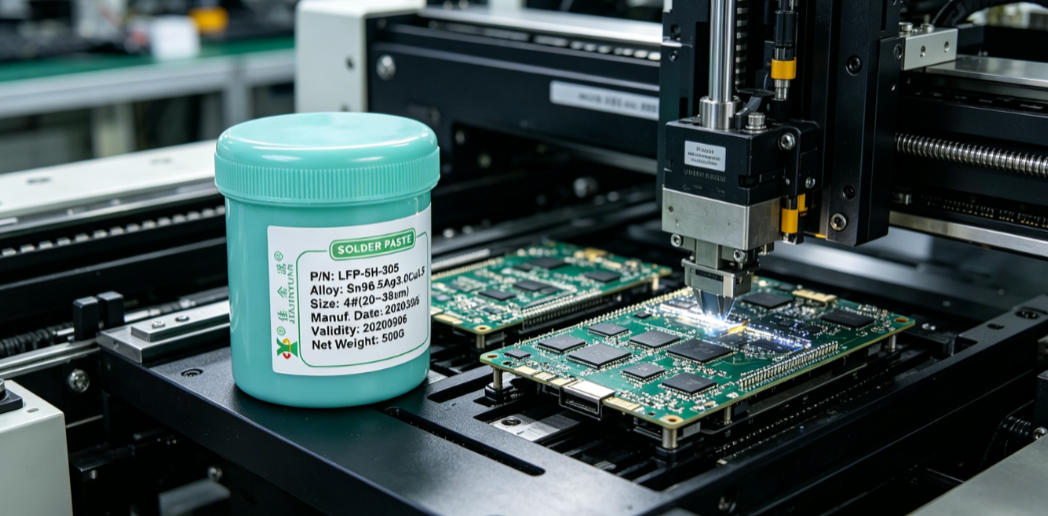
Although solder paste, solder cream, and solder wire all belong to electronic soldering consumables, their flux composition design logic is completely different. Solder paste emphasizes high viscosity and thixotropy to support precision dispensing; solder cream requires a balance of printability and reflow activity, adopting a combination of medium rosin content and volatile solvents; solder wire relies on low-solid-content flux in the core to achieve continuous supply and rapid volatilization. The three cannot be used interchangeably.
Published: 2023-11-04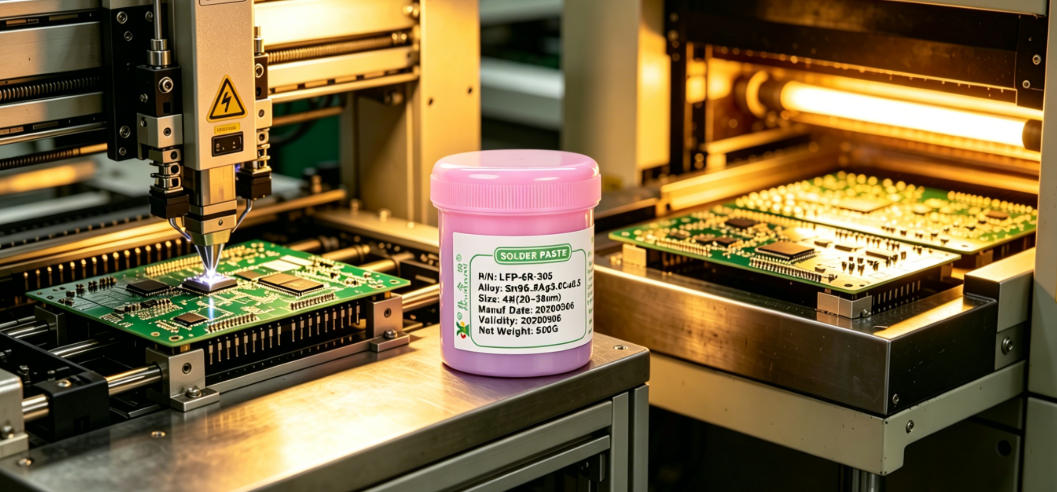
Jiajinyuan LFP series halogen-free solder paste has completed QFN packaging process verification, with the measured solder wetting rate close to 100%, significantly improving solder joint wettability and bridging control capability. Relying on 0307/T4 alloy powder and ROL1 grade low-halogen formula, it maintains high activity while meeting IPC-J-STD-00
Published: 2023-10-25Debugging the BGA soldering reflow curve requires precise matching of the solder paste activity window and solder ball melting characteristics. By optimizing the preheating slope, extending the soaking time, and controlling the peak temperature plateau width, the void rate can be significantly reduced. Test data from JJY shows that the void area ratio was reduced from 18.7% to below 6.2%.
Published: 2023-10-22The vacuum reflow process for solder paste imposes higher requirements on the metal content, flux activity, residue insulation, and high-temperature stability of the solder paste. Vacuum solder paste must feature low volatile content, high wetting power, and anti-slump properties; otherwise, it can easily cause persistent production-line issues such as excessive void rate, cold solder joints, or solder ball splashing. The reliability of solder paste soldering is directly constrained by the suitability of its selection and matching.
Published: 2023-10-05During FPC soldering, using low-temperature solder paste and solder wire can significantly reduce the thermal stress on the substrate, avoiding thermal damage phenomena such as coverlay wrinkling, copper foil peeling, and PI layer discoloration. It is especially suitable for high-density, multi-layer stacked flexible printed circuit boards with IC bonding. Jiajinyuan low-temperature solder paste starts melting at 138℃, with the peak temperature controlled below 210℃. Combined with nitrogen protection, it can further suppress oxidation and improve wettability.
Published: 2023-09-03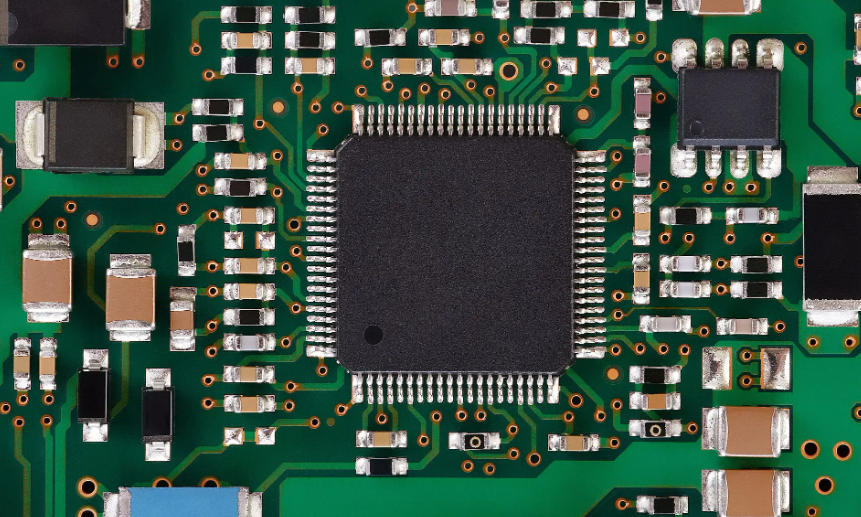
The size of the rosin-core hollow in solder wire directly affects the flux release amount, wetting speed and residue distribution. An excessively large hollow easily causes solder spatter, cold solder joints and rosin overflow that contaminates the PCB, while an excessively small hollow leads to insufficient flux, poor wetting and solder joint spikes. In actual production lines, 0.5mm diameter solder wire paired with a 0.12mm rosin-core hollow is the optimal combination for SMT manual touch-up soldering and rework.
Published: 2023-08-25SMT placement is a core process in electronic assembly, and its quality is directly affected by the accuracy of solder paste printing, the positioning repeatability of the placement machine, and the matching degree between components and solder paste-coated pads. Jiajinyuan placement machines achieve ±0.03mm placement accuracy through a high-rigidity mechanical structure and a closed-loop vision system, ensuring that components can be accurately placed on solder paste-coated pads in complex packages ranging from 0201 to QFN48.
Published: 2023-08-24For the export of solder paste to Thailand in Southeast Asia, a full set of foreign trade customs clearance documents for solder paste must be prepared, including the Certificate of Origin, FORM E, MSDS, SGS test report, and commercial invoice. Among them, FORM E qualifies for zero-tariff treatment, the MSDS must be issued by a laboratory with CNAS qualification, and all documents must strictly match the actual shipment batch; otherwise, the goods will face the risk of being returned or detained at Thai customs.
Published: 2023-08-09When exporting SGS solder to ASEAN, European and American markets, it can be directly used for customs declaration and quality inspection, meeting the regulatory requirements of REACH, RoHS, Singapore PSB and other regulations. Jiajinyuan SGS solder has passed multiple international third-party tests, with batch reports and MSDS provided along with the goods, avoiding customs clearance delays and the risk of on-site sampling inspection and return.
Published: 2023-08-08Our technical team is always ready to provide professional solder material selection advice and SMT process solutions.