SMT Solder Paste Manufacturers.

Focused on SMT soldering processes, a one-stop electronic soldering solutions provider.

Here you can find knowledge about Sn99.3Cu0.7 Solder Bar, including but not limited to usage methods, installation techniques, troubleshooting and more. Focused on SMT soldering processes. If you can't find what you need, please contact us anytime.
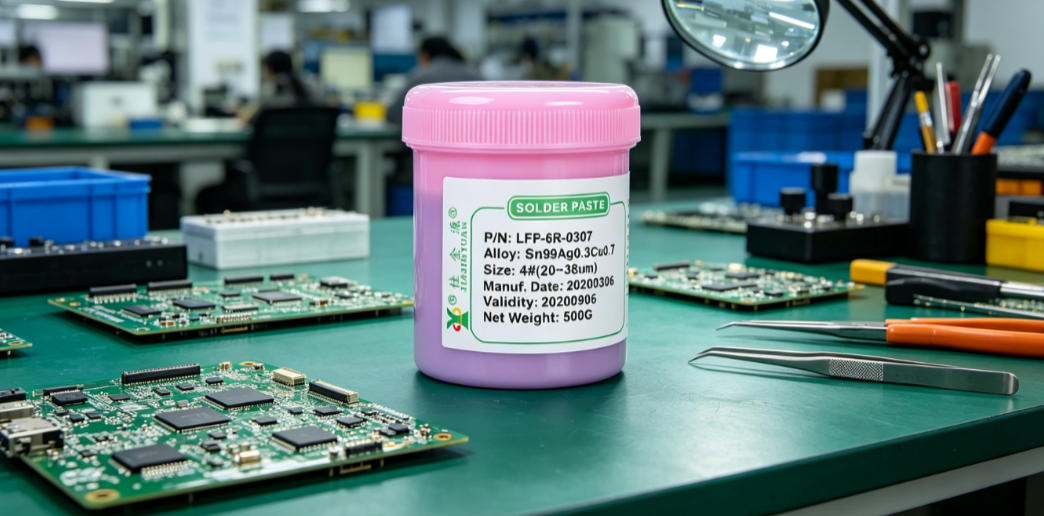
The SAC305 and Sn99.3Cu0.7 solder paste alloys exhibit significant differences in actual SMT production lines. SAC305 has better wettability and thermal fatigue resistance, while Sn99.3Cu0.7 offers lower cost and a narrower melting range window due to its silver-free composition. For both alloys, dynamic trade-offs must be made in terms of printability, reflow void rate, solder joint strength, and long-term reliability, taking into account specific component types, board thickness, and reflow oven temperature zone configuration.
Published: 2026-08-27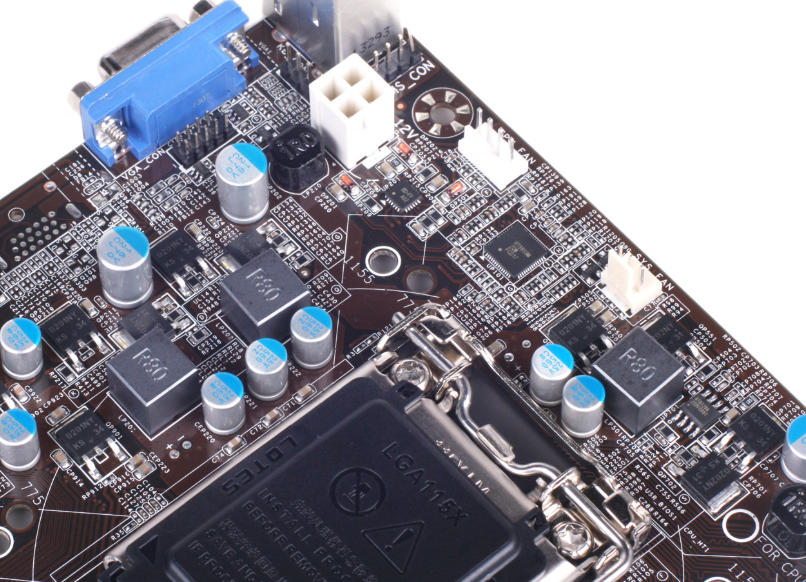
Wave soldering bar selection must closely align with actual production line performance. Sn99.3Cu0.7 solder bars are low-cost with acceptable oxidation resistance, but have weak wetting force. Silver-containing alloys improve fluidity and solder joint strength, but significantly increase costs. The differences between the two are particularly prominent in high-temperature continuous operation, fine-pitch through-hole soldering, and lead-free compatibility. Engineers must comprehensively determine the applicable boundaries of SnCu solders based on board thickness, component density, and rework rate.
Published: 2016-10-30Our technical team is always ready to provide professional solder material selection advice and SMT process solutions.