SMT Solder Paste Manufacturers.

Focused on SMT soldering processes, a one-stop electronic soldering solutions provider.

Here you can find knowledge about Manual Soldering, including but not limited to usage methods, installation techniques, troubleshooting and more. Focused on SMT soldering processes. If you can't find what you need, please contact us anytime.
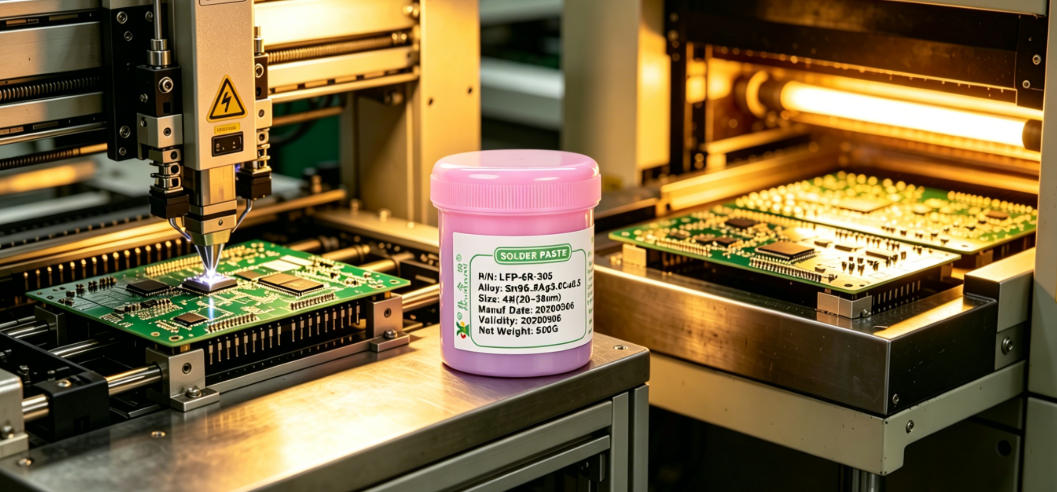
Manual soldering with low-temperature solder paste requires attention to temperature control and operational details to ensure soldering quality and safety. Select an appropriate soldering station and soldering tip; the preheating time should not be too long to avoid oxidation affecting adhesion.
Published: 2026-08-28
In SMT manual rework soldering scenarios, the choice between rosin-core solder wire and solid-core solder wire must be closely tied to solder joint quality, operational efficiency, and rework risk. Rosin-core solder wire is suitable for rapid rework soldering of small-batch, high-density, low-heat-capacity components, while solid-core solder wire is more appropriate for large pads, high-heat-capacity components, and military or medical PCBA sensitive to residues. The two have essential differences in terms of flux activity, thermal response, cleanability, and cost.
Published: 2026-08-27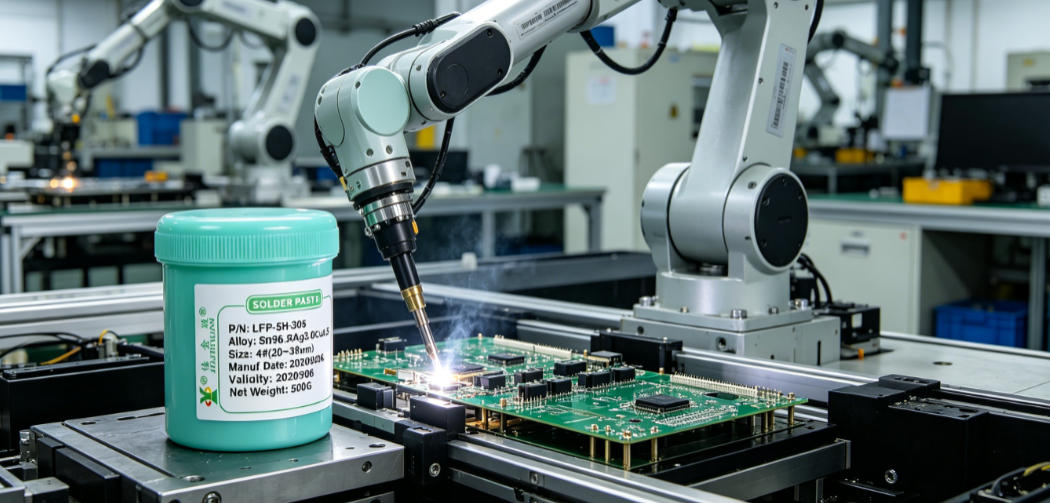
In manual soldering, the diameter of solder wire directly affects solder joint quality and material cost. An excessively large diameter easily causes bridging, cold solder joints, and flux waste, while an excessively small diameter leads to insufficient tinning and a higher rework rate. Considering component pad size, pin pitch, and operator proficiency, 0.3mm is recommended for 0402/0603 chip resistors and capacitors, 0.5mm covers medium and low-density packages such as SOP-8/SSOP-16, and 0.8mm is suitable for power devices and through-hole components. This selection strategy has been verified in production line tests to reduce the cost of solder consumables per joint by 17% and cut rework labor hours by 23%.
Published: 2026-08-27
The control of the solder wire feeding angle directly affects the spatter rate of manual soldering. The industry is currently accelerating its evolution toward micro-solder joints below 0.3mm, high-density mixed-assembly PCBs, and lead-free high-temperature processes. However, the traditional fixed 45° solder feeding method can no longer match the production line reality where 0.25mm pitch QFNs and 0402 components coexist. Frontline engineers must dynamically compress the angle between the solder wire and the soldering iron tip to the 25°~35° range, while synchronously adjusting the solder feeding rhythm and the soldering iron withdrawal timing.
Published: 2026-08-27
In the mixed assembly board SMT process, the combined use of solder paste and manual solder wire can easily cause hidden defects such as cold solder joints, bridging, and thermal damage. Based on 20 years of practical production line experience, this article directly addresses five high-frequency pitfalls in the mixed use of solder paste and solder wire: improper stencil aperture design, conflicting reflow temperature windows, mismatched manual repair soldering timing, misjudgment of flux compatibility, and uncontrolled thermal stress superposition. Each pitfall includes its symptoms, hazards, root causes, and countermeasures, avoiding the substitution of theory for on-site judgment.
Published: 2026-08-27
Addressing the pain points of high manual soldering costs and high rework rates for multi-pin connectors, this summary focuses on optimizing the practical wire feeding methods for solder wire, and proposes 6 immediately implementable cost-reduction actions, covering key links such as soldering tip selection, flux dosage control, and solder feeding rhythm adjustment. A single action can reduce the manual time for a single solder joint by up to 32%, saving over 1400 hours of rework time annually.
Published: 2026-08-27
Manual SMT rework soldering must precisely match solder wire diameter, soldering iron power, and actual soldering temperature; otherwise, cold solder joints, pad peeling, or thermal damage to components are highly likely to occur. Based on high-frequency production line fault cases, this paper compares the differences in temperature response curves, wetting speed, and solder joint morphology between 0.3mm and 0.5mm solder wires in typical scenarios such as QFN16, 0402 resistors, and shield can three-point grounding. It clearly points out that 0.3mm solder wire paired with a 35W soldering iron at 280℃ is more suitable for precision component rework soldering, while 0.5mm solder wire requires a soldering iron of 50W or above set at 320℃ to ensure the heat conduction efficiency of large pads.
Published: 2026-08-27
Frequent solder wire spattering during manual repair soldering has become a common pain point in production line rework processes. The root causes lie in the mismatch between the flux volatilization rate and the soldering iron heat conduction, excessive oxygen content in the solder wire, and improper operation rhythm. The industry is currently accelerating its development along three parallel tracks: low-spatter active solder wire, intelligent temperature-controlled soldering irons, and standardized repair soldering SOP. Frontline engineers need to simultaneously adjust their technique rhythm, verify incoming material batch data, and refine the granularity of on-the-job training.
Published: 2026-08-27
Poor soldering performance on manual solder wires is mostly caused by the imbalance between flux activity and residue. When selecting a flux, focus on four hard parameters: rosin-based proportion, halogen content, activation temperature, and spreadability. A chloride ion content of 0.5%~1.2%, an activation range of 180℃~220℃, and a spreadability of over 92% are the key thresholds for a reliable manual solder wire flux.
Published: 2026-08-27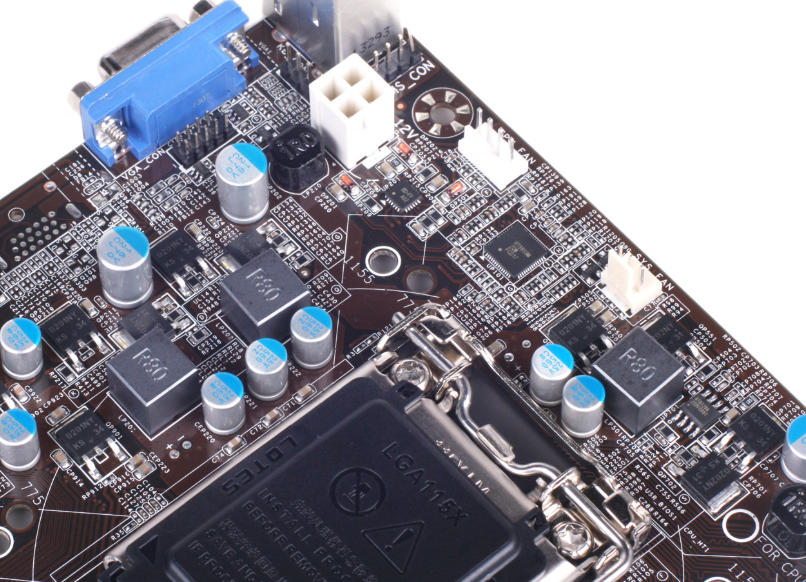
In manual soldering, the selection of solder wire diameter directly affects drag soldering efficiency and solder joint formation quality. Thick solder wire is suitable for large-area pads and quick solder replenishment but is prone to causing bridging, while thin solder wire facilitates precise pin control but imposes higher requirements on operation rhythm. Actual production lines need to comprehensively weigh factors based on PCB pad size, component spacing, and operation takt time.
Published: 2025-05-11Our technical team is always ready to provide professional solder material selection advice and SMT process solutions.