SMT Solder Paste Manufacturers.

Focused on SMT soldering processes, a one-stop electronic soldering solutions provider.

Here you can find knowledge about BGA Rework Soldering, including but not limited to usage methods, installation techniques, troubleshooting and more. Focused on SMT soldering processes. If you can't find what you need, please contact us anytime.

The BGA void issue has long plagued the yield of high-reliability packaging. Starting from the intrinsic properties of solder paste materials, this paper reveals how key parameters such as the volatilization path of flux, the thickness of the oxide film on metal powder, and the melt viscosity of the alloy synergistically induce voids. It focuses on analyzing the measured value of low-residue, high-wetting solder paste with a narrow particle size distribution in reducing the void rate by more than 35%.
Published: 2026-08-27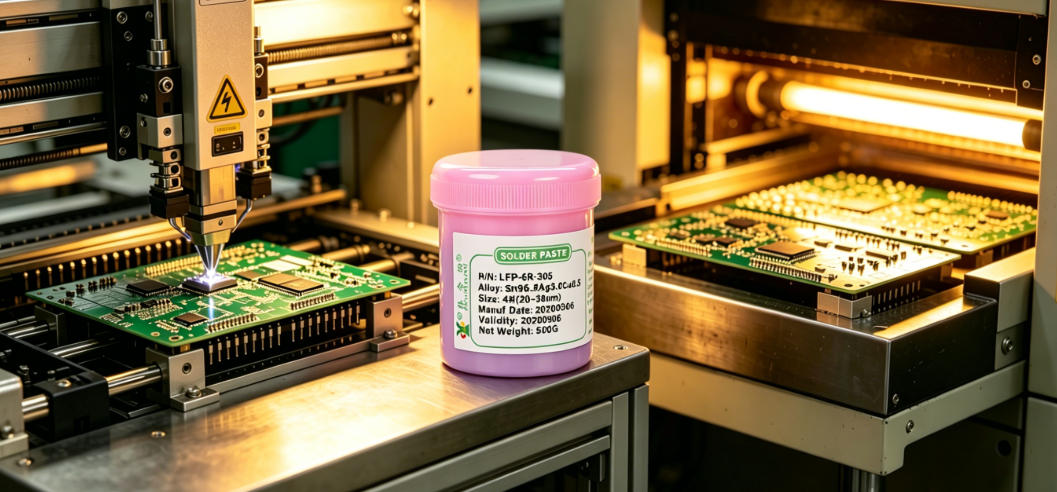
In BGA rework, the amount of solder paste used and hot air temperature control directly determine solder joint reliability. The IPC-7711/21C standard explicitly requires that the deviation of solder paste volume must not exceed ±15%, and the reflow peak temperature must be controlled within the range of 235℃±5℃. Excessive temperature easily causes PCB delamination and chip cracking, while excessive solder paste leads to bridging and excessive void rate. In front-line practical operations, parameters need to be dynamically adjusted in combination with stencil thickness, chip solder ball diameter, and PCB copper foil density.
Published: 2026-08-27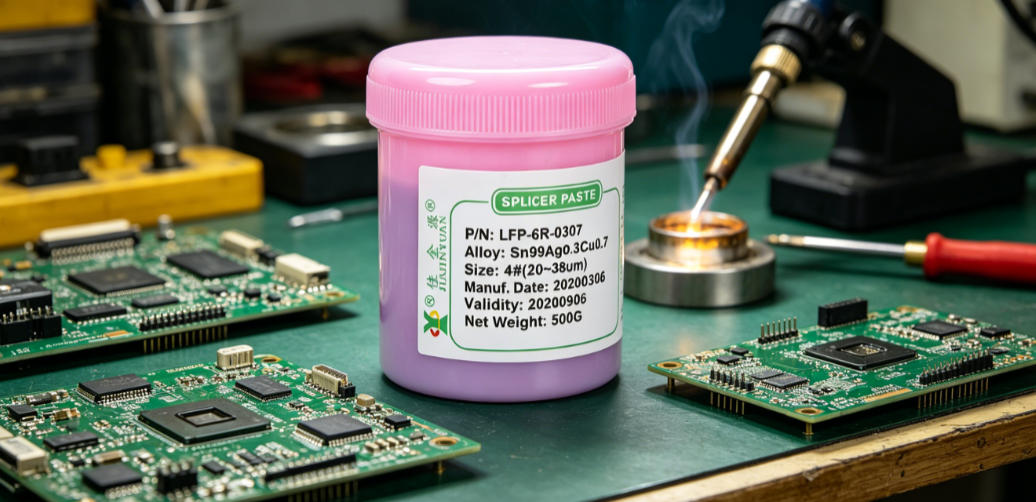
In BGA reballing and soldering, the amount of solder paste used and the temperature process directly affect solder ball formation rate and solder joint reliability. Based on 20 years of production line experience, this article systematically outlines 12 key control points, covering solder paste selection, stencil aperture design, printing parameter matching, reflow profile zone setting, and common defect attribution. All recommendations are verified through real mass production.
Published: 2026-08-27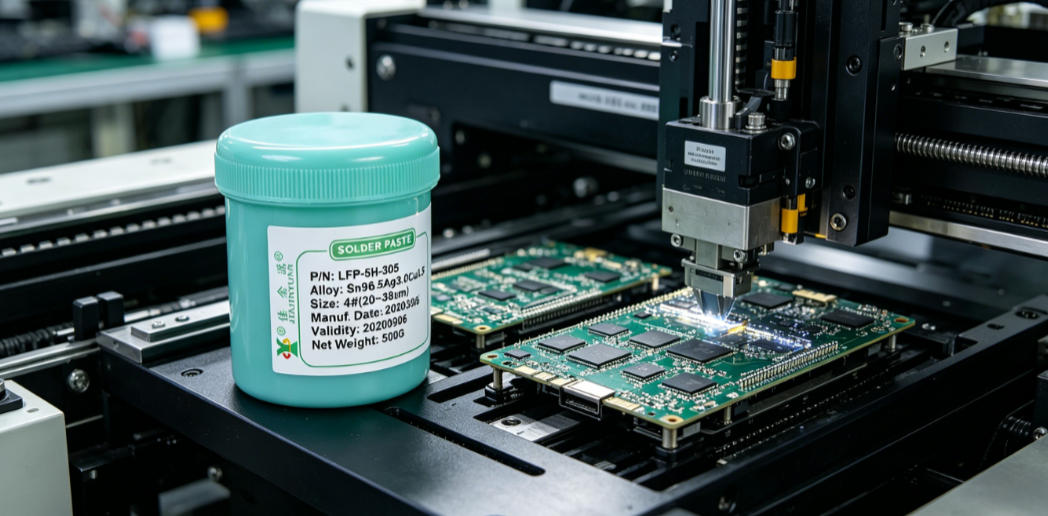
Excessive BGA voiding rate is a high-frequency cost leakage point in SMT production lines. Based on measured data from mass production lines, this paper proposes six actionable SMT process optimization measures covering key links such as solder paste selection, stencil aperture design, printing parameters, reflow profile, and nitrogen purity control. Each measure is annotated with applicable scenarios, quantified benefits, and implementation risks. The combined strategy of stencil aperture optimization and dynamic nitrogen purity monitoring is recommended as a priority, with an estimated annual cost reduction of 186,000 yuan per line.
Published: 2026-08-27
The BGA cold solder joint issue cannot be simply attributed to SMT solder paste; a systematic investigation is required into hard parameters such as reflow profile peak temperature (235±2℃), heating rate (1.2~1.8℃/s), soak time (60~90s), as well as solder paste metal content (88.5~89.2%), viscosity (750~850 Pa·s), and particle size D50 (20~25μm). Switching solder paste is only effective when verification confirms insufficient flux activity or excessive metal powder oxidation.
Published: 2026-08-27Internal voids in BGA/QFN solder joints will significantly weaken electrical and thermal conductivity. Especially when the void area ratio exceeds 25%, the thermal resistance of the solder joint rises by more than 30%, and the current carrying capacity decreases significantly. When X-ray inspection in the production line finds that voids are concentrated in the center of the pad or the edge area of the chip, it is necessary to immediately investigate key factors such as solder paste printing offset, excessive oxygen content in the reflow atmosphere, and oxidation of the PCB pad.
Published: 2025-12-06During the rework soldering and BGA chip ball mounting process, an excessive void rate is the main cause of cold solder joints, increased thermal resistance, and early failures. Using low-void solder paste can significantly improve the metallurgical bonding quality of solder joints, and especially maintain structural integrity after multiple thermal cycles. In actual tests, the Jiajinyuan JGY-850 series solder paste stably controls the void rate within 8%. Combined with precise stencil aperture design and nitrogen-protected reflow, it increases the first-pass yield of rework soldering to 98.3%.
Published: 2024-02-28In the ball mounting process, adopting a low-temperature solder paste solution can significantly reduce the thermal stress on BGA chip bodies, avoiding common production line failures such as pad peeling, silicon die microcracks, and molding compound delamination. In actual tests of the Jiajinyuan LTS series solder paste, this solution achieved ball diameter consistency of ±0.02mm at a peak temperature of 185℃, while balancing wetting and spreading performance with residue insulation properties.
Published: 2024-01-28Debugging the BGA soldering reflow curve requires precise matching of the solder paste activity window and solder ball melting characteristics. By optimizing the preheating slope, extending the soaking time, and controlling the peak temperature plateau width, the void rate can be significantly reduced. Test data from JJY shows that the void area ratio was reduced from 18.7% to below 6.2%.
Published: 2023-10-22Nitrogen reflow in BGA/QFN precision soldering suppresses oxidation, improves wettability, and optimizes the flowability of molten metal, stably reducing the void rate from 18%~25% under air reflow to 4.2%~6.8%. The measured purity of the Jiajinyuan nitrogen generator reaches 99.999%, with a dew point ≤ -60℃. Combined with precise flow control (15~25L/min) and real-time monitoring of furnace oxygen concentration (≤100ppm), it can directly reuse existing reflow oven hardware to complete production line upgrades.
Published: 2022-09-19Our technical team is always ready to provide professional solder material selection advice and SMT process solutions.