Sn99.3Cu0.7 is one of the most widely used and cost-effective lead-free solder alloys globally, and was a mainstream choice to replace traditional Sn63Pb37 leaded solder when the EU RoHS directive was first introduced. Its composition is tin 99.3 wt% and copper 0.7 wt%, with a liquidus of about 227°C and a solidus of about 227°C, a near-eutectic composition.
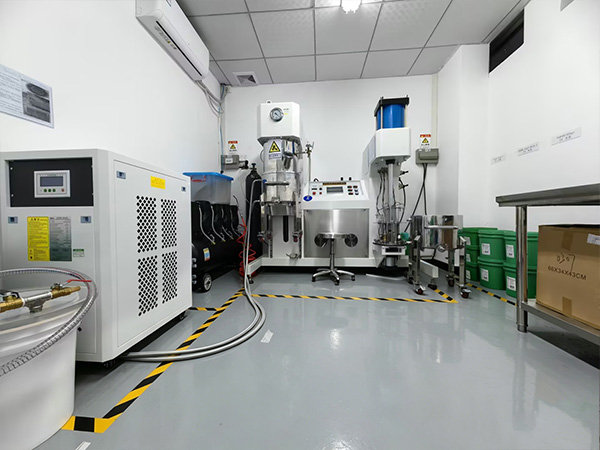
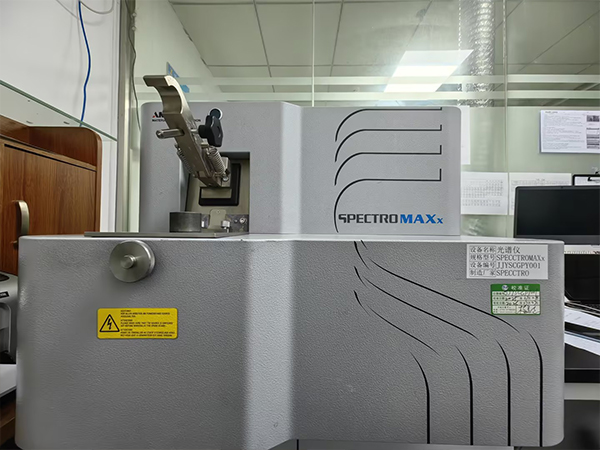
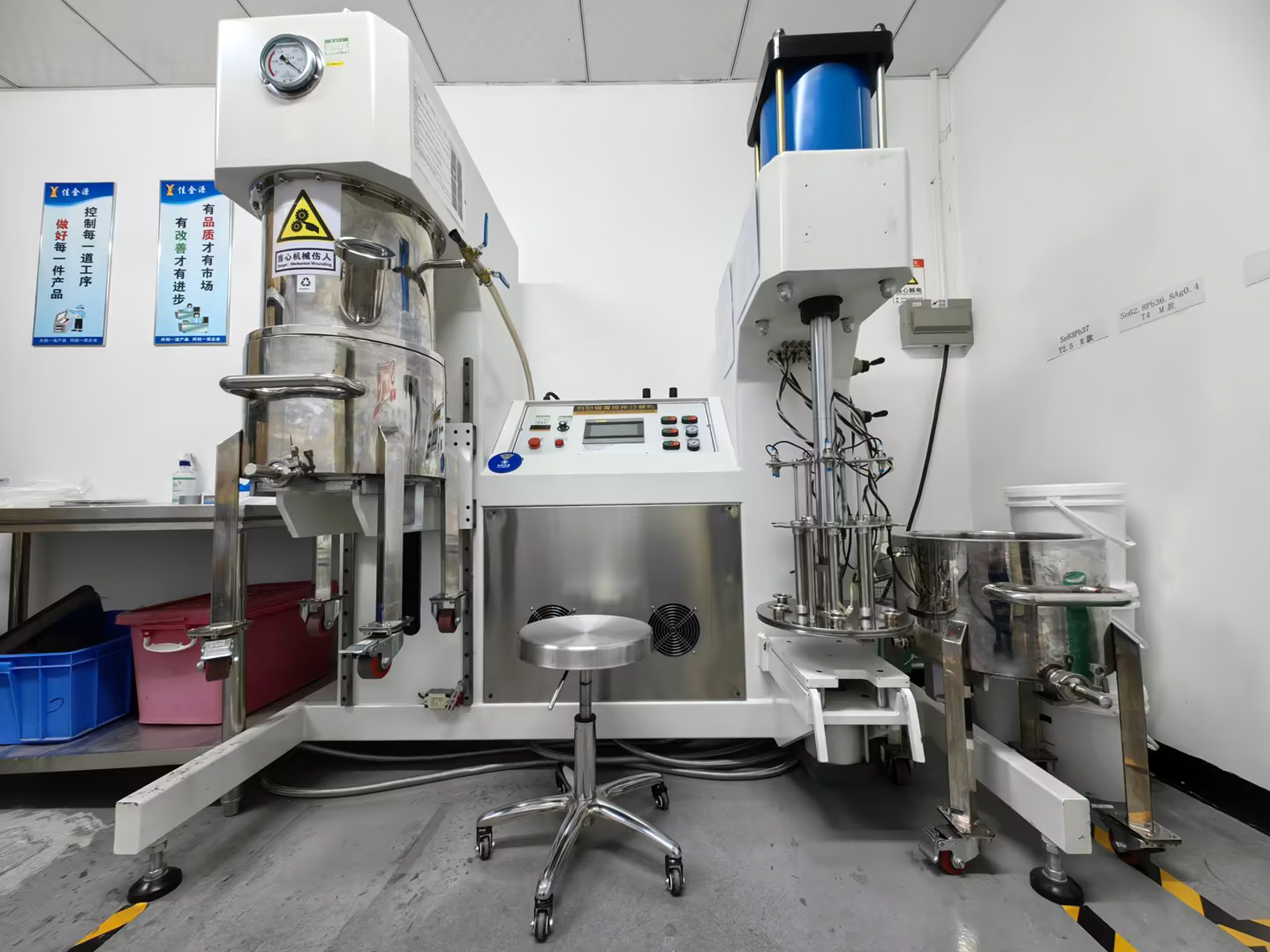
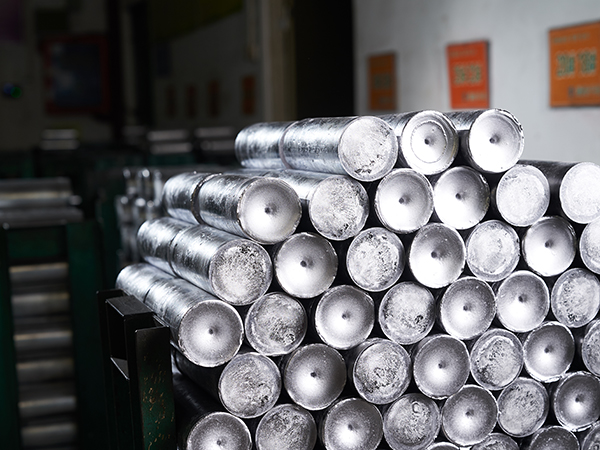
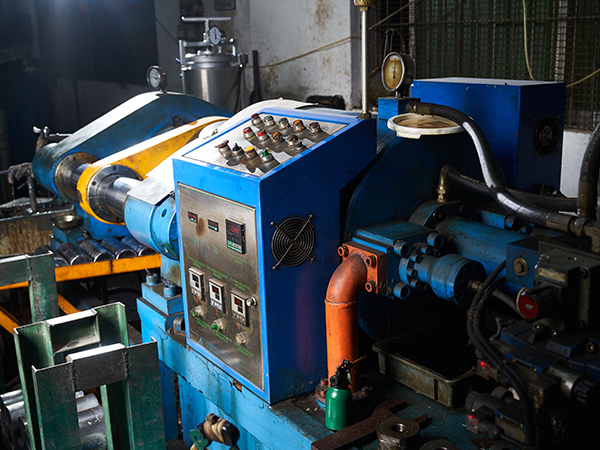
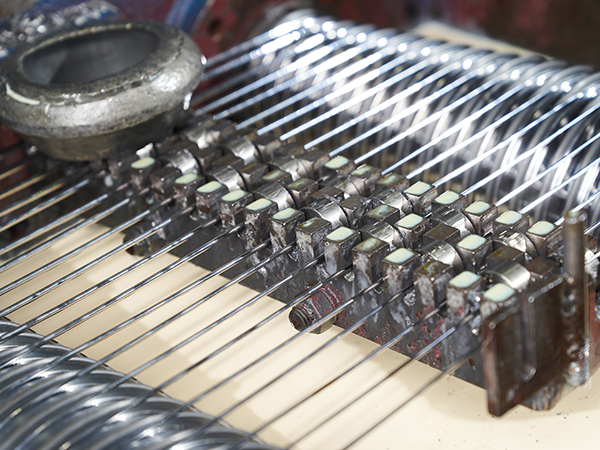
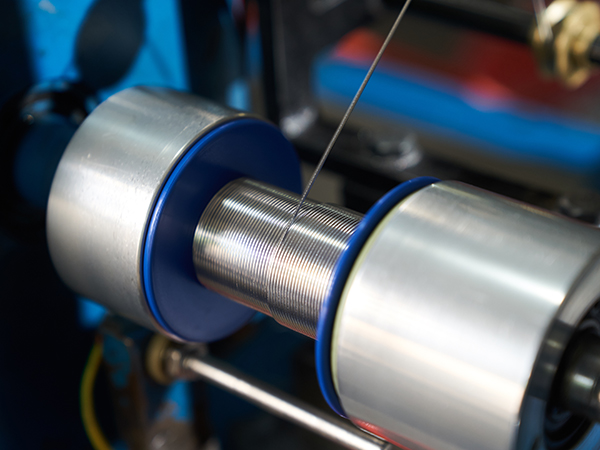
JIAJINYUAN lead-free solder wire Sn99.3Cu0.7 strictly follows standards such as GB/T 20422, JIS Z 3282 and IPC J-STD-006. It uses A-grade 99.95% or higher high-purity virgin refined tin plus high-purity cathode electrolytic copper, melted in a medium-frequency induction furnace, composition-corrected by spectral analysis, degassed and slag-removed, continuously cast horizontally into tin rods, and then drawn through multiple passes to the specified wire diameter.
JIAJINYUAN can also add trace Ni (0.04~0.07%) and Ge (0.008~0.01%) to the Sn99.3Cu0.7 base to form improved systems: Ni suppresses copper dissolution, reducing soldering-iron-tip corrosion and dross on the molten solder surface; Ge protects the molten pool and reduces oxidation, making joints brighter with shorter wetting time and more stable performance in automatic soldering machines.
Because its price is significantly lower than silver-containing alloys and its performance meets the soldering needs of the vast majority of consumer electronic products, the Sn99.3Cu0.7 lead-free solder wire is widely used in appliances, power adapters, chargers, LED lamps, small appliances, toys, audio, ordinary instrument boards and wire-harness terminals, and is currently the best-selling general-purpose lead-free solder wire.