
Focused on SMT soldering processes, a one-stop electronic soldering solutions provider.

Here you can find knowledge about Wave Soldering Solder Bar, including but not limited to usage methods, installation techniques, troubleshooting and more. Focused on SMT soldering processes. If you can't find what you need, please contact us anytime.
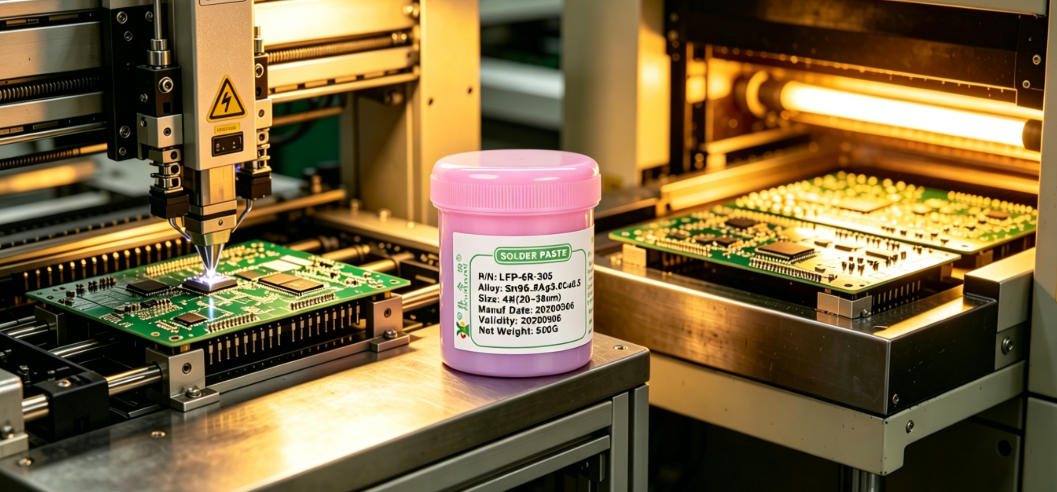
The sharp surge in dross generation during wave soldering solder bar replacement has become a high-frequency pain point on production lines. The industry is shifting from experience-based judgment to data-driven solder pot management, systematically reducing dross by optimizing the solder bar addition rhythm, controlling molten oxygen content, and upgrading the dross scraping frequency logic. This not only reduces material loss rates and downtime frequency, but also forces enterprises to restructure the daily maintenance SOP for soldering pots, with frontline process engineers required to master the synergistic relationship between the trend of solder viscosity changes and the critical point of flux carbonization.
Published: 2026-08-27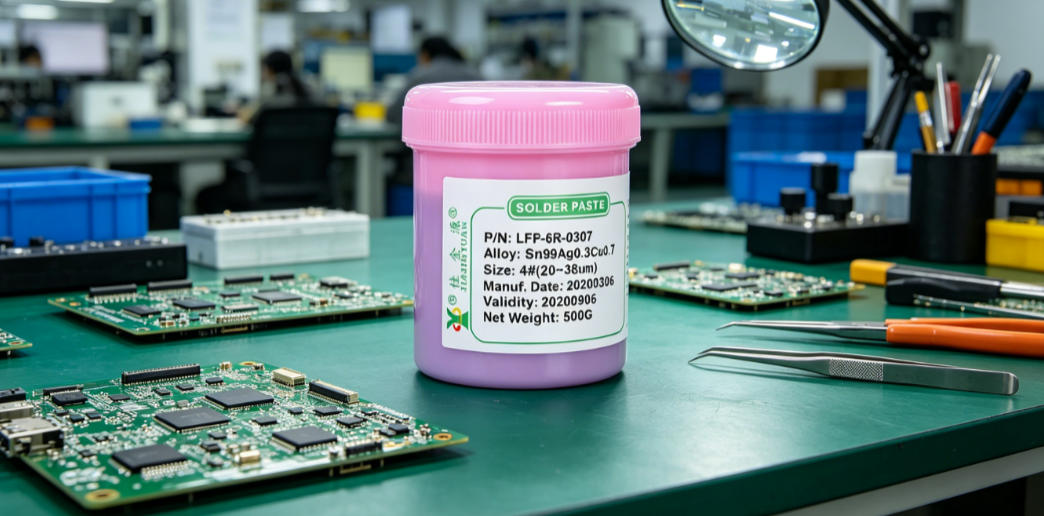
The selection of wave soldering bars requires comprehensive consideration of core parameters such as melting point, oxidation resistance, and copper corrosion rate. The typical Sn63/Pb37 solder bar has a melting point of 183°C, while that of Sn99.3/Cu0.7 is 227°C. The key to solder dross treatment lies in controlling the thickness of the liquid surface oxide film and the angle of the scraper. It is recommended to set the inclination angle of the scraper between 5° and 8°, and cooperate with mechanical scraping every 4 hours and nitrogen protection.
Published: 2026-08-27
Rapid oxidation of wave soldering bars will significantly shorten the service life of solder pots and increase solder joint defect rates. Controlling the molten solder temperature is the core means of suppressing solder bar oxidation. In actual production, the wave soldering machine temperature should be stably maintained within the range of 250℃±2℃. Combined with nitrogen protection, regular dross removal, and monitoring of solder bath level, the oxidation rate of wave soldering bars can be effectively delayed.
Published: 2026-08-27
Excessive wave soldering dross directly affects soldering yield and the consumption cost of solder bars. Common causes include high impurity content in solder bars, uncontrolled wave soldering temperature, severe carbonized flux residue, excessive stirring of the solder pot, and insufficient nitrogen protection. Solutions require coordinated efforts across multiple dimensions, including solder bar selection, temperature profile optimization, regular dross removal frequency, flux volatilization control, and nitrogen purity monitoring.
Published: 2021-10-21To meet the actual production line requirements for solder materials used in industrial control motherboards, this summary focuses on the compatibility issues of solder paste in SMT printing, reflow soldering and wave soldering processes, and elaborates on the synergistic performance of Jiajinyuan solder paste and matching solder bars in high-reliability soldering, covering key process parameters such as viscosity adaptation, metal content control, and residue corrosion inhibition.
Published: 2013-06-25Our technical team is always ready to provide professional solder material selection advice and SMT process solutions.