
Focused on SMT soldering processes, a one-stop electronic soldering solutions provider.

Here you can find knowledge about Manual Soldering, including but not limited to usage methods, installation techniques, troubleshooting and more. Focused on SMT soldering processes. If you can't find what you need, please contact us anytime.
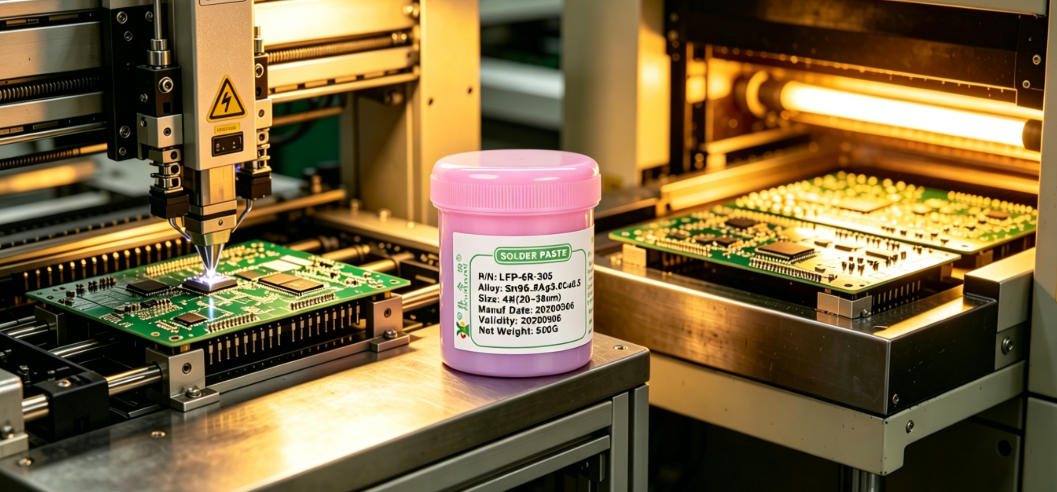
Manual soldering with low-temperature solder paste requires attention to temperature control and operational details to ensure soldering quality and safety. Select an appropriate soldering station and soldering tip; the preheating time should not be too long to avoid oxidation affecting adhesion.
Published: 2026-08-28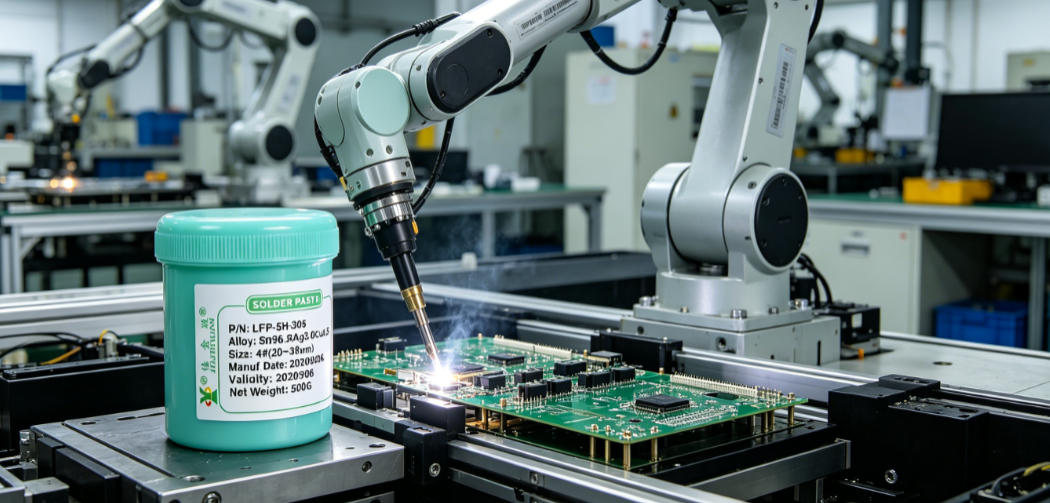
In manual soldering, the diameter of solder wire directly affects solder joint quality and material cost. An excessively large diameter easily causes bridging, cold solder joints, and flux waste, while an excessively small diameter leads to insufficient tinning and a higher rework rate. Considering component pad size, pin pitch, and operator proficiency, 0.3mm is recommended for 0402/0603 chip resistors and capacitors, 0.5mm covers medium and low-density packages such as SOP-8/SSOP-16, and 0.8mm is suitable for power devices and through-hole components. This selection strategy has been verified in production line tests to reduce the cost of solder consumables per joint by 17% and cut rework labor hours by 23%.
Published: 2026-08-27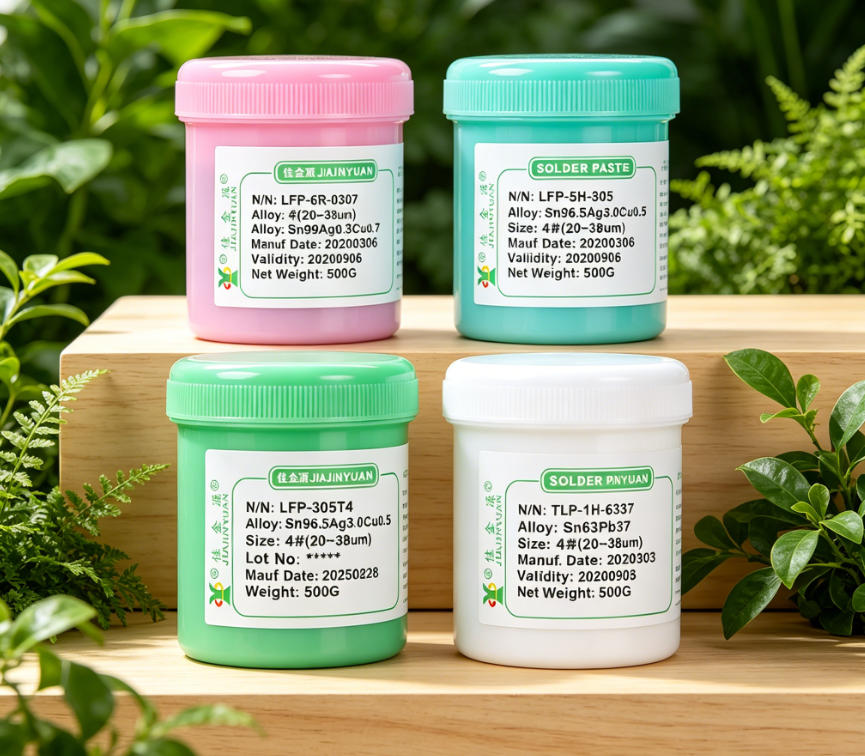
The control of the solder wire feeding angle directly affects the spatter rate of manual soldering. The industry is currently accelerating its evolution toward micro-solder joints below 0.3mm, high-density mixed-assembly PCBs, and lead-free high-temperature processes. However, the traditional fixed 45° solder feeding method can no longer match the production line reality where 0.25mm pitch QFNs and 0402 components coexist. Frontline engineers must dynamically compress the angle between the solder wire and the soldering iron tip to the 25°~35° range, while synchronously adjusting the solder feeding rhythm and the soldering iron withdrawal timing.
Published: 2026-08-27
Addressing the pain points of high manual soldering costs and high rework rates for multi-pin connectors, this summary focuses on optimizing the practical wire feeding methods for solder wire, and proposes 6 immediately implementable cost-reduction actions, covering key links such as soldering tip selection, flux dosage control, and solder feeding rhythm adjustment. A single action can reduce the manual time for a single solder joint by up to 32%, saving over 1400 hours of rework time annually.
Published: 2026-08-27
Poor soldering performance on manual solder wires is mostly caused by the imbalance between flux activity and residue. When selecting a flux, focus on four hard parameters: rosin-based proportion, halogen content, activation temperature, and spreadability. A chloride ion content of 0.5%~1.2%, an activation range of 180℃~220℃, and a spreadability of over 92% are the key thresholds for a reliable manual solder wire flux.
Published: 2026-08-27
In manual soldering, the selection of solder wire diameter directly affects drag soldering efficiency and solder joint formation quality. Thick solder wire is suitable for large-area pads and quick solder replenishment but is prone to causing bridging, while thin solder wire facilitates precise pin control but imposes higher requirements on operation rhythm. Actual production lines need to comprehensively weigh factors based on PCB pad size, component spacing, and operation takt time.
Published: 2025-05-11Manual soldering is an irreplaceable key process in circuit board repair and rework. Especially during BGA rework, 0201 component touch-up soldering, and operations in heat-sensitive areas of multilayer boards, the coordinated matching of soldering iron temperature, solder wire activity, and solder paste rheological properties directly determines solder joint reliability. Jiajinyuan solder paste stands out in low-temperature wettability, residue insulation, and reflow stability. When used with constant-temperature soldering irons and micro-diameter soldering tips, it can significantly reduce the risk of thermal damage.
Published: 2022-09-05When manually soldering and repairing old PCBs, oxidized solder pads cause poor tinning and frequent cold solder joints. High-activity solder wire significantly improves the first-pass soldering success rate through stronger oxide film penetration and lower wetting temperature, and is especially suitable for manual soldering rework scenarios of communication boards and industrial control motherboards in service for over 8 years.
Published: 2021-06-22Manual soldering is a key process for repair soldering and rework on SMT production lines. Novices often cause defects such as cold solder joints and solder spikes due to improper temperature control, excessive solder joint dwell time, or incorrect selection of soldering tip types. Based on twenty years of practical experience on the Jiajinyuan production line, this paper focuses on pre-soldering preparation, soldering iron parameter setting, solder joint operation rhythm, and common defect attribution, directly addressing the core operational details that affect the first-pass yield.
Published: 2015-02-11Domestic solder covers wire diameters from 0.3mm to 3.0mm, all temperature ranges (183℃~227℃) for both leaded and lead-free variants, and three flux systems: rosin, no-clean, and water-washable. It is compatible with multiple scenarios including high-speed SMT printing, wave soldering, dip soldering, and manual touch-up soldering. The Jiajinyuan series has a measured wetting angle ≤35°, bridging rate below 0.08%, and residual ion content <0.5μg/cm2. No adjustment to stencil apertures or reflow temperature profile is required when switching materials on the production line.
Published: 2011-03-06Our technical team is always ready to provide professional solder material selection advice and SMT process solutions.