SMT Solder Paste Manufacturers.

Focused on SMT soldering processes, a one-stop electronic soldering solutions provider.

Here you can find knowledge about Solder Cream, including but not limited to usage methods, installation techniques, troubleshooting and more. Focused on SMT soldering processes. If you can't find what you need, please contact us anytime.
Selecting the right solder paste for fine pitch QFN assembly without bridging requires balancing all
Published: 2026-10-13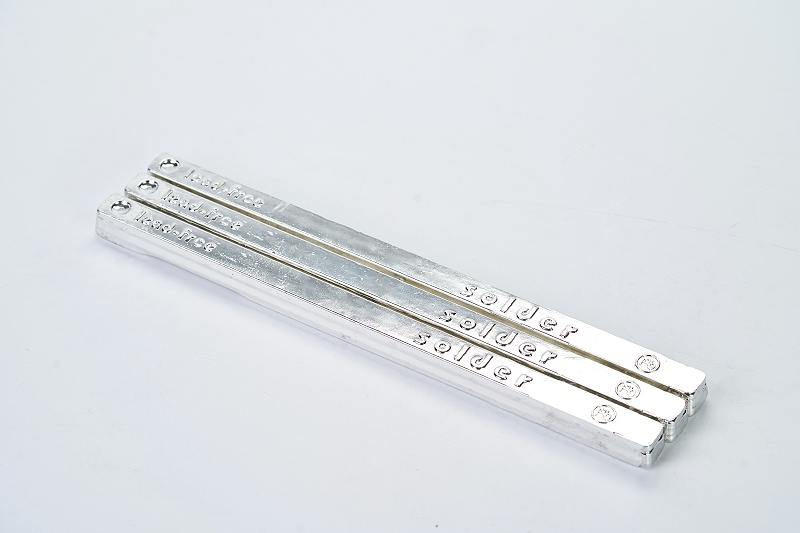
Lead-free solder wireWhat should be noted when welding? As is well known, soldering technology has d
Published: 2026-05-12This guide addresses real-world inconsistencies in solder paste release from nano-coated stencils by focusing on measurable process parameters, including squeegee speed (40–60 mm/s), pressure (5–7 N/cm), separation speed (1.5–2.5 mm/s), and stencil tension (35–45 N/cm), while integrating microscope verification at 200× magnification, environmental control at 22–25°C and 45–55% RH, and rigorous cleaning protocols using IPA-dampened lint-free wipes with <5% residue after 30-second dwell time.
Published: 2026-10-10Selecting and handling solder paste for fine pitch SMT assembly demands precise control over rheology, metal content, particle size distribution, and storage conditions, where even minor deviations—such as a 0.5°C shift in refrigeration temperature or a 5° increase in stencil aperture ratio—can trigger bridging on 0.4mm pitch QFNs or insufficient fill on 0.3mm CSPs, and real-world success hinges on strict adherence to paste shelf life, controlled ambient humidity below 60% RH during printing, and consistent squeegee pressure between 4.5–6.5 kg/cm² across all production shifts.
Published: 2026-10-10This guide delivers field-tested stencil printing practices for lead-free solder paste, drawing on real-line experience with brands like Ecovision and Alpha Metals pastes used at Jiajinyuan for clients including Ecovacs, NARI Electric, Konka, and Chaowei Power, covering stencil design tolerances of ±0.01 mm, squeegee pressure between 4.5–6.5 kgf, print speed from 25–45 mm/s, and aperture reduction ratios of 0.78–0.85 for 0201 and 01005 components, while integrating humidity control at 40–60% RH and paste storage at 0–10°C to prevent oxidation and slump.
Published: 2026-10-09This technical guide details how adjusting stencil aperture geometry—specifically area ratio, wall angle, and land pattern alignment—directly improves solder paste release for 01005 components, drawing on real-world SMT line experience with clients including Ecovacs, NARI Electric, Konka, and Chaowei Power, where achieving ≥92% release efficiency required reducing aperture width from 0.22 mm to 0.20 mm while maintaining 0.18 mm length and applying 30° sidewall taper.
Published: 2026-09-30
Solder paste viscosity adjustment is a key step in the SMT process, directly affecting soldering quality and production efficiency. Adding specific additives or adjusting formulation ratios can effectively improve the viscosity performance of solder paste, but the choice must be flexible based on the actual application environment.
Published: 2026-08-28
In 2025, the solder paste industry has entered a stage of refined development, with customers significantly raising their requirements for product consistency, stability, and traceability. As electronic manufacturing processes continue to upgrade and industry competition intensifies, enterprises need to strengthen technological R&D and quality management to meet market demand for high precision and high reliability.
Published: 2026-09-08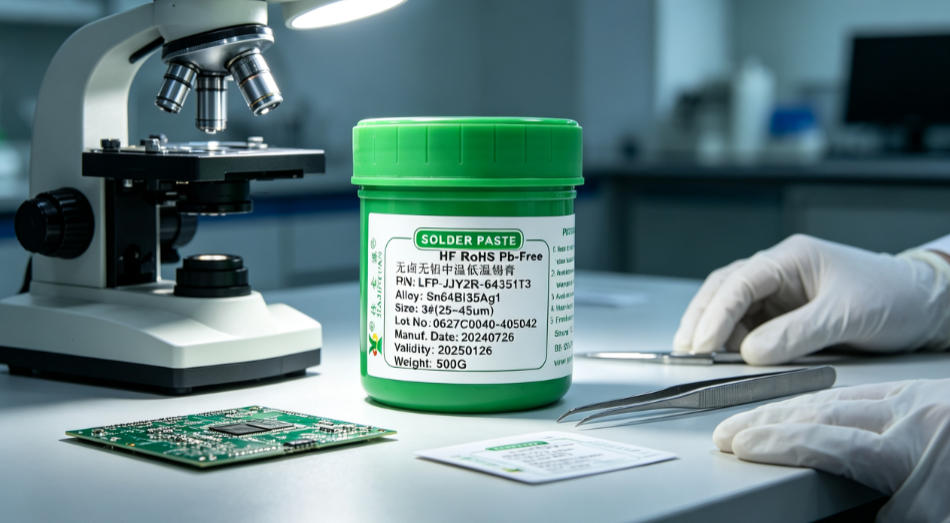
During the reflow soldering process, high-temperature solder paste exhibits poor solder wetting issues, which are closely related to the temperature profile settings, flux activity, and substrate cleanliness. It is necessary to optimize process parameters and strengthen process control to improve soldering quality.
Published: 2026-08-28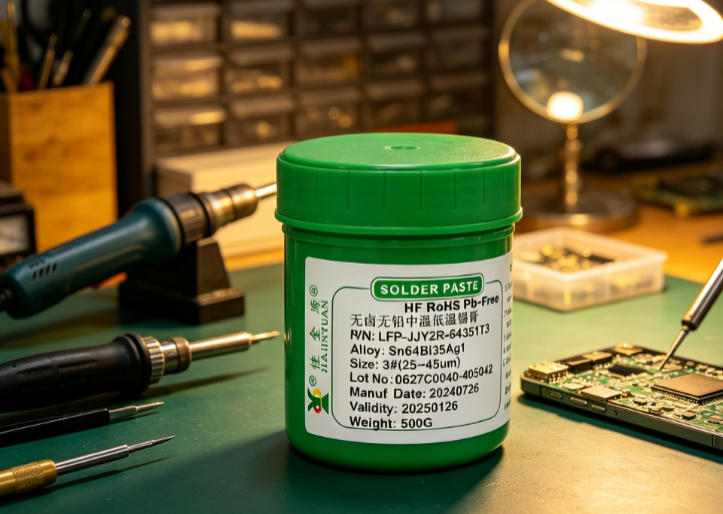
Whether solder paste meets the AA grade or above standard requires comprehensive judgment based on the printing quality, reflow soldering process parameters and final soldering effect in actual production. By optimizing the squeegee angle, controlling the printing pressure and ambient temperature and humidity, the applicability of solder paste can be effectively improved.
Published: 2026-08-28Our technical team is always ready to provide professional solder material selection advice and SMT process solutions.