SMT Solder Paste Manufacturers.

Focused on SMT soldering processes, a one-stop electronic soldering solutions provider.

Here you can find knowledge about Solder Ball Reduction, including but not limited to usage methods, installation techniques, troubleshooting and more. Focused on SMT soldering processes. If you can't find what you need, please contact us anytime.

This article compares Solder Wire and Solder Bar from the perspective of Alloy composition, thermal behavior, mechanical handling, and application suitability in SMT and wave soldering processes, highlighting how differences in form factor directly influence alloy microstructure uniformity, oxidation resistance, feeding consistency, and operator ergonomics without altering core metallurgical properties.
Published: 2026-11-03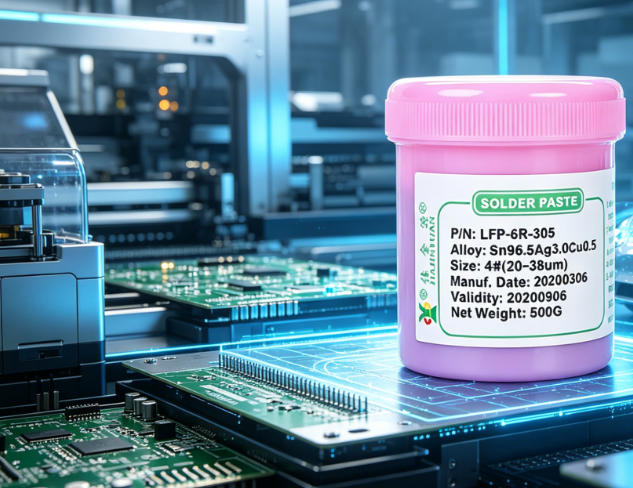
The Environmental Friendly Index of Solder Paste quantifies how well a solder paste formulation aligns with global green manufacturing standards, incorporating lead-free composition, halogen-free flux chemistry, low-VOC solvents, and RoHS/REACH compliance; this index directly impacts stencil life, voiding rates, post-solder cleaning requirements, and long-term reliability of assembled PCBs, making it indispensable for SMT engineers selecting materials under tightening environmental regulations and supply chain audits.
Published: 2026-11-03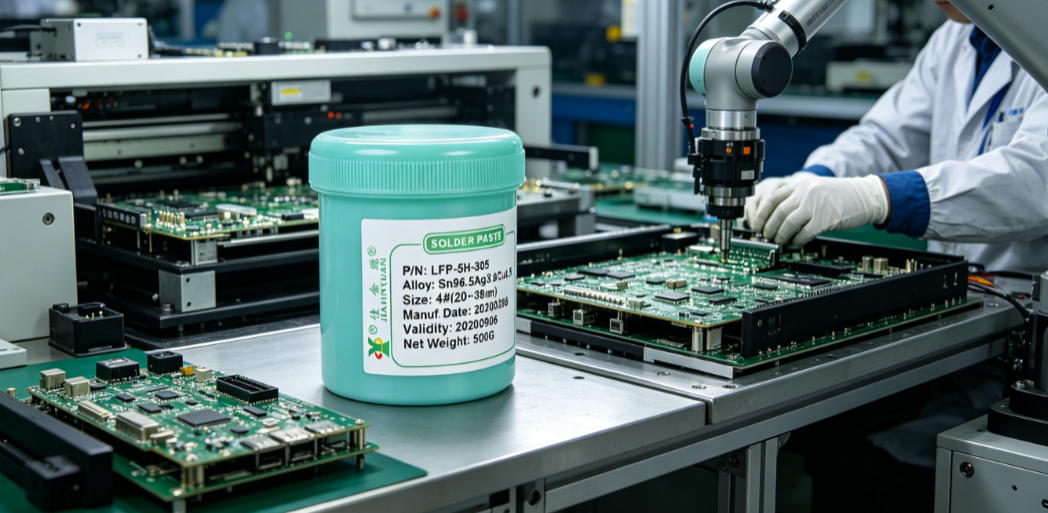
This article details the high purity smelting process of solder bar, emphasizing how precise temperature control, ultra-low oxygen environments, and multi-stage refining steps collectively suppress oxide inclusion, minimize metallic impurities below 10 ppm, and ensure consistent alloy homogeneity across batches, making it essential for advanced SMT applications requiring zero-defect interconnects in aerospace, medical, and high-frequency electronics.
Published: 2026-11-03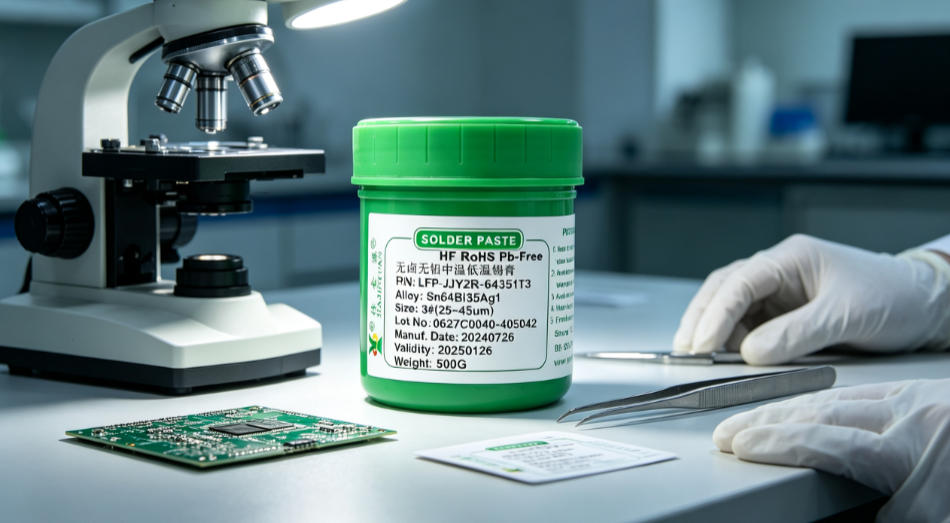
This article compares Synthetic Flux and Rosin Flux in Solder Wire for SMT and hand-soldering applications, highlighting differences in activation strength, residue behavior, thermal stability, cleaning requirements, and compatibility with sensitive components, while emphasizing real-world trade-offs engineers face when selecting flux types for reliability-critical assemblies.
Published: 2026-11-03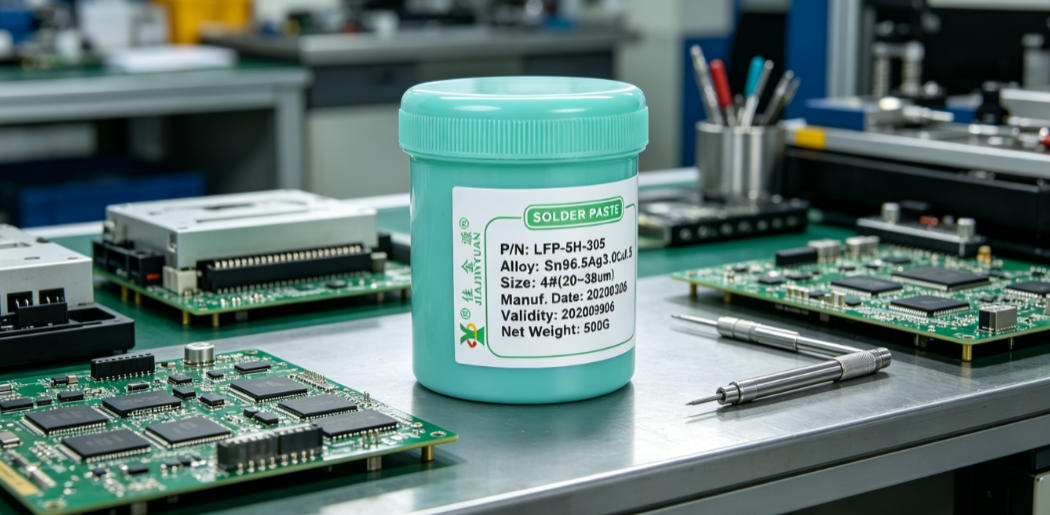
Solder paste stratification poses a serious risk to SMT production consistency, causing inconsistent deposition, bridging, and poor wetting due to separation of metal particles from flux vehicle; preventing this risk requires strict control over storage temperature, shelf life, mixing protocols, and printing parameters, while real-time monitoring of viscosity and particle distribution helps detect early signs before defects occur on the line.
Published: 2026-11-02
This article examines how cooling rate directly influences microstructure formation, intermetallic compound thickness, and mechanical reliability in Solder Bar joints, emphasizing that rapid cooling produces finer Sn dendrites and thinner IMC layers but increases thermal stress and void susceptibility, whereas slow cooling yields coarser structures with thicker, more brittle interfacial IMCs and higher risk of Kirkendall voiding, requiring precise rate selection based on alloy composition, joint geometry, and end-use thermal cycling demands.
Published: 2026-11-02
Surface lubrication treatment of solder wire enhances feeding reliability in automated SMT placement systems by reducing friction between the wire and feeder components, preventing wire deformation, jamming, or inconsistent flux delivery; this process typically involves controlled application of food-grade or rosin-based lubricants, precise drying to avoid residue buildup, and compatibility verification with both flux chemistry and downstream reflow profiles, ensuring stable solder joint formation without compromising wetting behavior or intermetallic compound growth kinetics.
Published: 2026-11-02
Solder paste performance hinges critically on alloy powder size distribution, where particle diameter directly governs printability, transfer efficiency, and post-reflow joint integrity; deviations outside the IPC-7527 specified ranges—such as Type 3 (25–45 µm), Type 4 (20–38 µm), or Type 5 (15–25 µm)—trigger defects like bridging, insufficient deposition, or head-in-pillow, especially in fine-pitch QFN and 01005 applications; tighter distribution curves reduce voiding and improve solder ball resistance, while bimodal blends balance stencil release with collapse control without sacrificing metallurgical homogeneity.
Published: 2026-11-02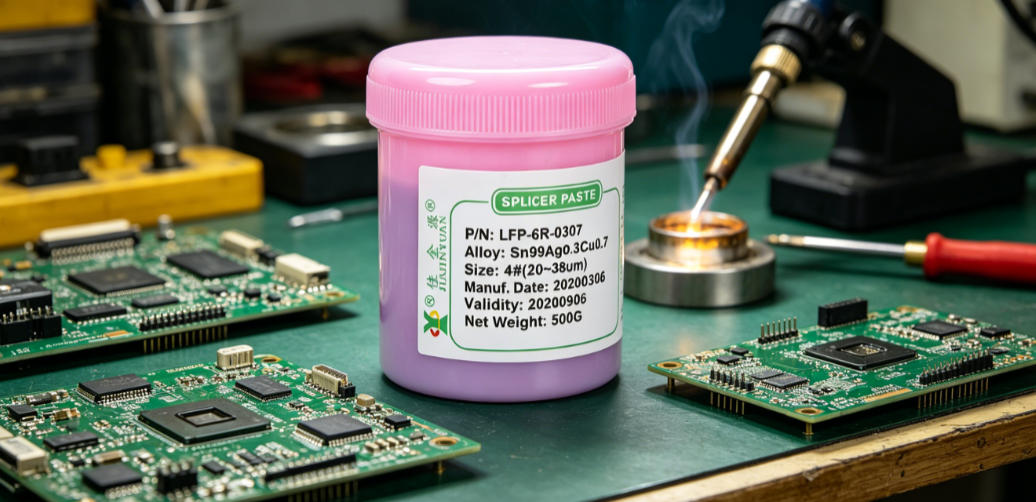
This article details the practical methodology for verifying compatibility between Solder Bar and Solder Paste during lead-free reflow processes, emphasizing intermetallic compound formation, flux residue behavior, and wetting consistency across thermal cycles, with direct implications for voiding rate, joint strength, and long-term reliability in high-density SMT assemblies.
Published: 2026-11-01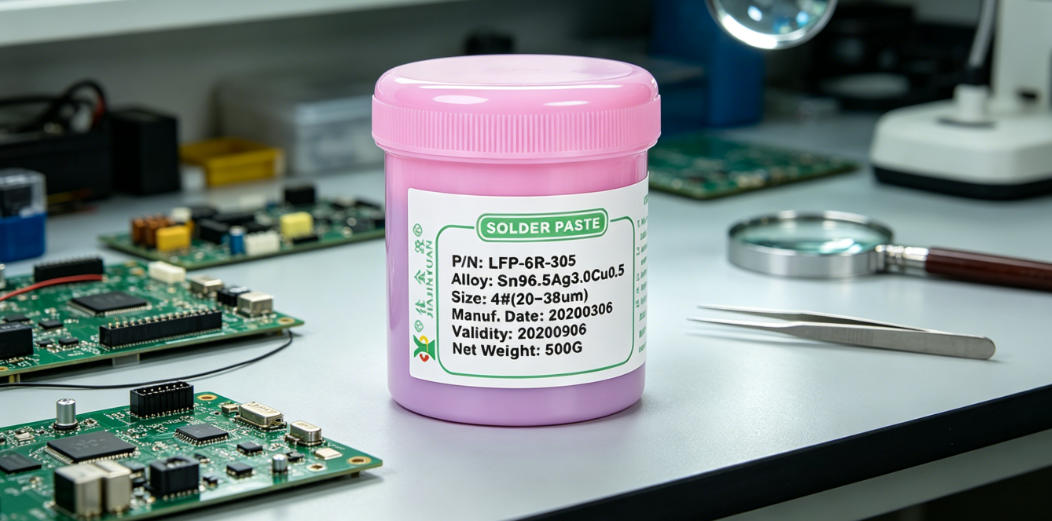
Sn42Bi58 solder wire is a lead-free, low-melting-point alloy widely used in precision electronics assembly, thermal-sensitive component repair, and rework applications where conventional Sn63Pb37 or SAC305 alloys pose overheating risks; its eutectic composition delivers consistent melting behavior at 138°C, enabling reliable joint formation without damaging PCB substrates, thin-film sensors, or polymer-based flex circuits, while maintaining adequate mechanical strength and wetting performance on copper, nickel, and OSP-finished pads under controlled nitrogen or low-residue flux environments.
Published: 2026-11-01Our technical team is always ready to provide professional solder material selection advice and SMT process solutions.