SMT Solder Paste Manufacturers.

Focused on SMT soldering processes, a one-stop electronic soldering solutions provider.

Here you can find knowledge about Dross Disposal, including but not limited to usage methods, installation techniques, troubleshooting and more. Focused on SMT soldering processes. If you can't find what you need, please contact us anytime.

The formation causes of wave soldering dross involve the purity of solder bars, oxide film control, and the synergistic imbalance of process parameters. By comparing the dross generation amount of high-purity solder bars and conventional solder bars under different chain speeds, wave heights, and nitrogen protection, combined with the actual line changeover cost and maintenance frequency of the production line, the two-way optimization path of the solder bar process is clarified, providing a feasible selection basis for the mass production of high-reliability PCBs.
Published: 2026-08-27
Antioxidation of solder bars is the core guarantee for the stable operation of wave soldering. Thickening of the oxide film will accelerate the imbalance of the surface tension of the molten solder, directly leading to an abnormal increase in wave soldering dross. By controlling the molten solder temperature, adding antioxidants, optimizing the nitrogen coverage of the solder pot, and adjusting the frequency of regular dross removal, wave soldering dross can be reduced by more than 40%.
Published: 2026-08-27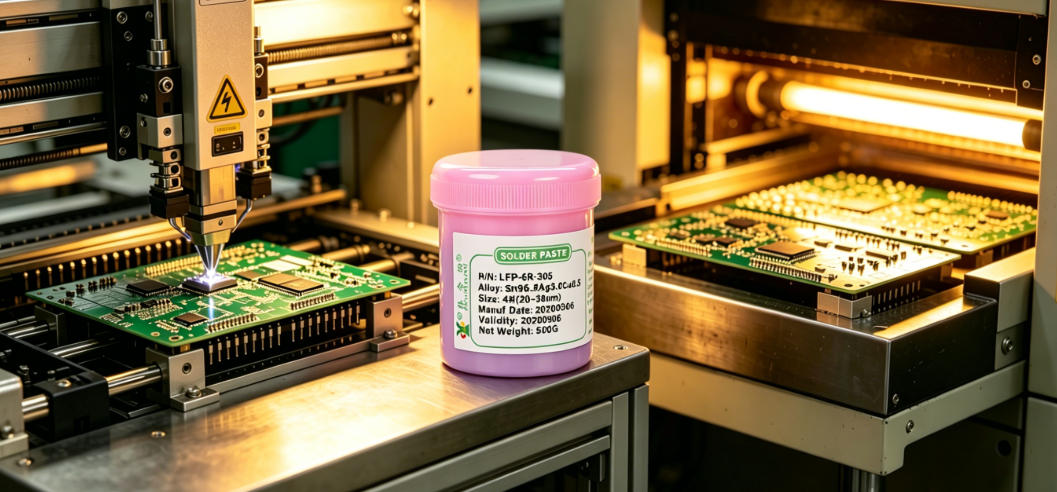
The sharp surge in dross generation during wave soldering solder bar replacement has become a high-frequency pain point on production lines. The industry is shifting from experience-based judgment to data-driven solder pot management, systematically reducing dross by optimizing the solder bar addition rhythm, controlling molten oxygen content, and upgrading the dross scraping frequency logic. This not only reduces material loss rates and downtime frequency, but also forces enterprises to restructure the daily maintenance SOP for soldering pots, with frontline process engineers required to master the synergistic relationship between the trend of solder viscosity changes and the critical point of flux carbonization.
Published: 2026-08-27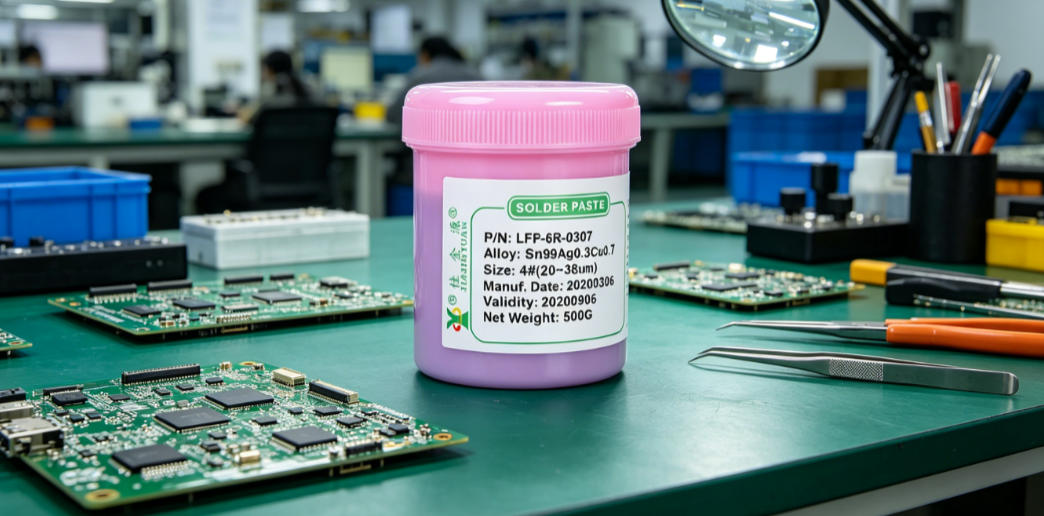
The selection of wave soldering bars requires comprehensive consideration of core parameters such as melting point, oxidation resistance, and copper corrosion rate. The typical Sn63/Pb37 solder bar has a melting point of 183°C, while that of Sn99.3/Cu0.7 is 227°C. The key to solder dross treatment lies in controlling the thickness of the liquid surface oxide film and the angle of the scraper. It is recommended to set the inclination angle of the scraper between 5° and 8°, and cooperate with mechanical scraping every 4 hours and nitrogen protection.
Published: 2026-08-27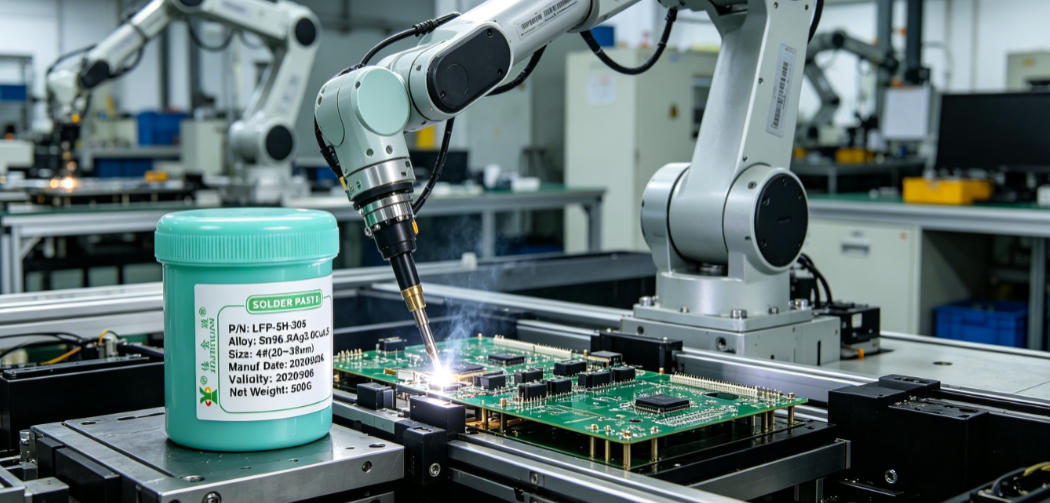
Excessive floating dross in the solder bar melting pool directly affects wave soldering yield and equipment service life. This paper conducts a horizontal comparison of the dross performance of three mainstream solder bar types—high-activity solder bars, low-dross solder bars, and phosphorus-containing solder bars—across five dimensions: real production line failure frequency, solder dross generation rate, flux compatibility, maintenance man-hours, and long-term costs. It explicitly states that low-dross solder bars should be prioritized for small and medium-volume mixed-assembly PCB scenarios, while phosphorus-containing solder bars must be paired with an upgraded wave soldering oxidation suppression system for continuous production of high-copper-content PCBs.
Published: 2026-08-27High-oxidation-resistance solder bars suppress the continuous generation of solder dross at the source by improving the stability of the surface tension of molten solder and the compactness of the oxide film. Under the measured condition of 8 hours of continuous wave soldering operation, the solder dross output can be reduced by 42% to 58%, significantly extending the maintenance cycle of the solder pot and reducing the frequency of manual dross removal.
Published: 2025-08-18Solder dross is continuously generated during continuous wave soldering, and its production volume is directly affected by solder pot temperature, conveyor speed, flux activity, and PCB design. Production line data from Jia Jinyuan shows that every 0.5 kg/h increase in dross increment raises the material cost per board by 0.32 yuan. Therefore, dross volume control is not an auxiliary step, but the true cost control center of the wave soldering process.
Published: 2023-05-03As a high-frequency industrial by-product generated in SMT production lines, solder dross typically has a tin content of 60% to 75%. Through Jia Jinyuan's dedicated centrifugal separation and low-temperature smelting processes, over 92% of metallic tin can be stably recovered and directly reused in solder paste formulation or wave soldering bath replenishment, reducing the factory's overall tin material loss rate from the traditional 3.8% to within 1.2%.
Published: 2022-10-16
Excessive wave soldering dross directly affects soldering yield and the consumption cost of solder bars. Common causes include high impurity content in solder bars, uncontrolled wave soldering temperature, severe carbonized flux residue, excessive stirring of the solder pot, and insufficient nitrogen protection. Solutions require coordinated efforts across multiple dimensions, including solder bar selection, temperature profile optimization, regular dross removal frequency, flux volatilization control, and nitrogen purity monitoring.
Published: 2021-10-21Selective wave soldering bar selection must balance melting point stability, surface tension, and oxide film formation rate; solder dross control is directly affected by solder bar purity, copper and iron impurity content, and flux compatibility. The Jiajinyuan SN99.3CU0.7 series has a measured dross rate below 1.2% in small and medium batch high-density board soldering, significantly outperforming conventional solder bars.
Published: 2020-11-14Our technical team is always ready to provide professional solder material selection advice and SMT process solutions.