


Whether for leaded or lead-free production Focus, Jia Jinyuan Solder paste manufacturer has a relatively long development history, which has led to stable welding and a relatively complete production and processing technology. Focus The main difference lies in the characteristics of leaded solder alloys versus lead-free ones.
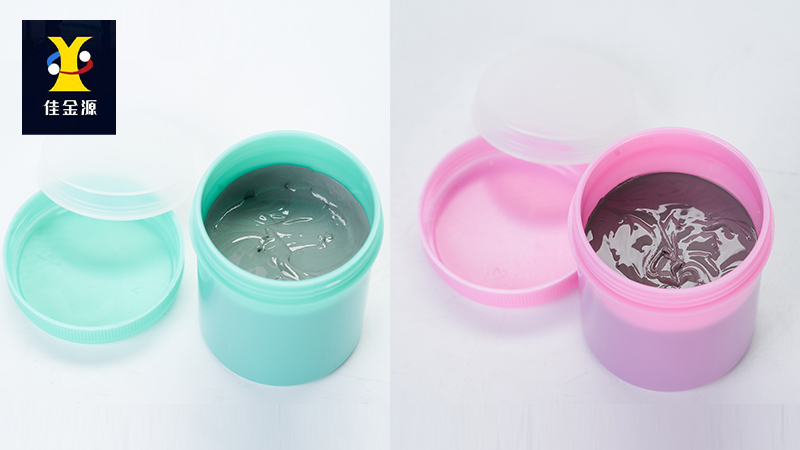
The melting point and soldering temperature of lead-containing solder are relatively low, and its impact on electronic products is also relatively small. Due to the good plasticity of lead-bearing solder, the formed solder joints have better characteristics than Lead-free solder paste.
According to current results, lead-free soldering alloys have a higher melting point than tin-lead alloys. For example, taking the widely used tin-silver-copper alloys in the industry, their initial melting points are relatively high, which reduces the process window during welding.
In fact, the reduced process window raises the effective melting point of tin-lead solder. In practice, however, the process reduction is much greater than the basic one, because in actual work, the temperature measurement methods used by partners are not accurate enough.
Shenzhen JJY brand Solder Paste has gone through 12 years of R&D in solder paste and Solder Wire. Solder wire — manufacturers of solder paste and wire for lead-free solder paste, Leaded Solder Paste, solder rods, etc. For Solder Paste Manufacturers, choose the JJY brand. It is worth having for your partners.
Related Articles
- How to select solder paste for fine pitch QFN assembly without bridging
- What should be noted when soldering with lead-free solder wire?
- Troubleshooting inconsistent solder paste release from nano coated stencils
- How to select and handle solder paste for fine pitch SMT assembly
- Best practices for stencil printing with lead free solder paste
- Adjusting aperture design to improve solder paste release for 01005 components
- What Are the Solder Paste Manufacturers in Changzhou?
- Solder bridging between adjacent pins causing short circuits, key prevention for fine-pitch ICs


