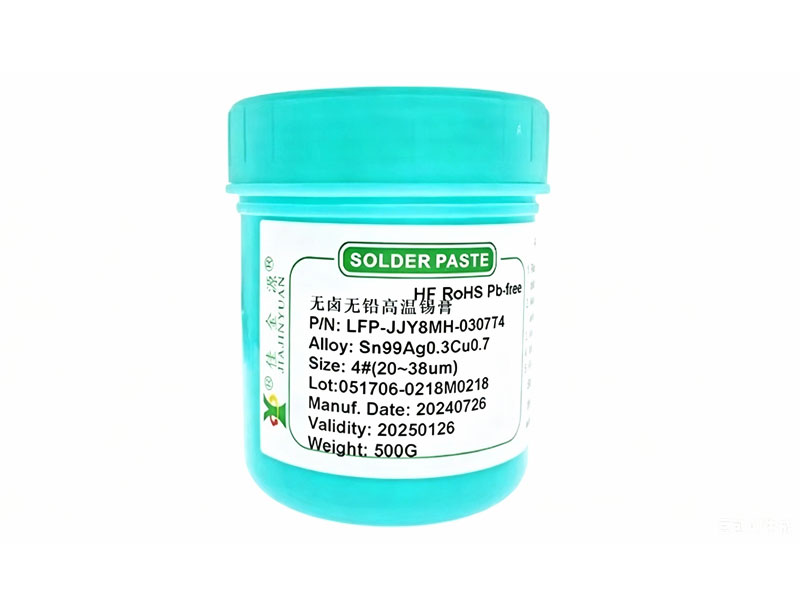
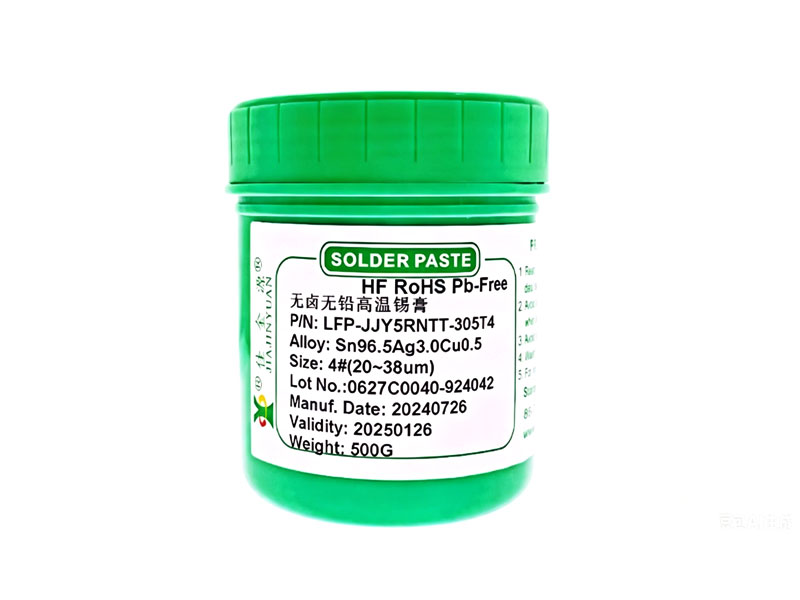
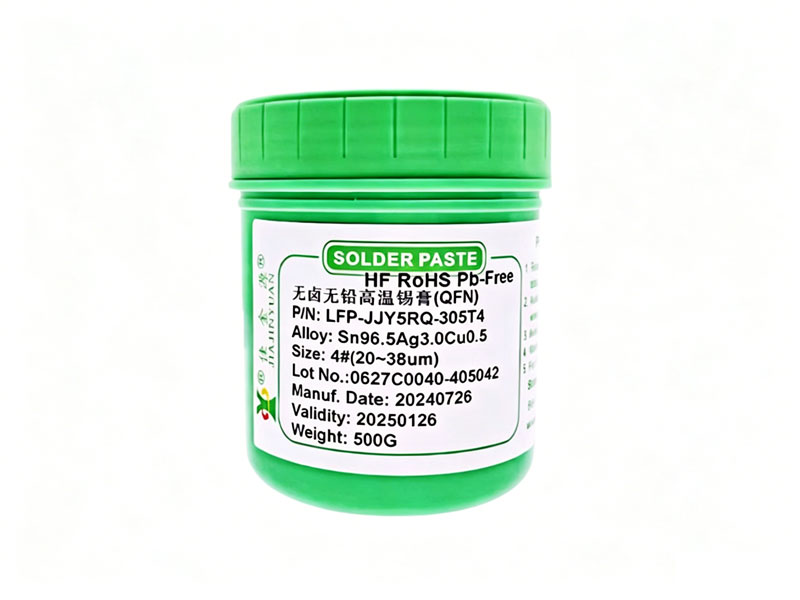
For solder wireLow-temperature tin wirePerhaps there are still many questions from the partners regarding the application of this. So todayShenzhen JJYLet's explain to our friends what the common applications of solder wire are?
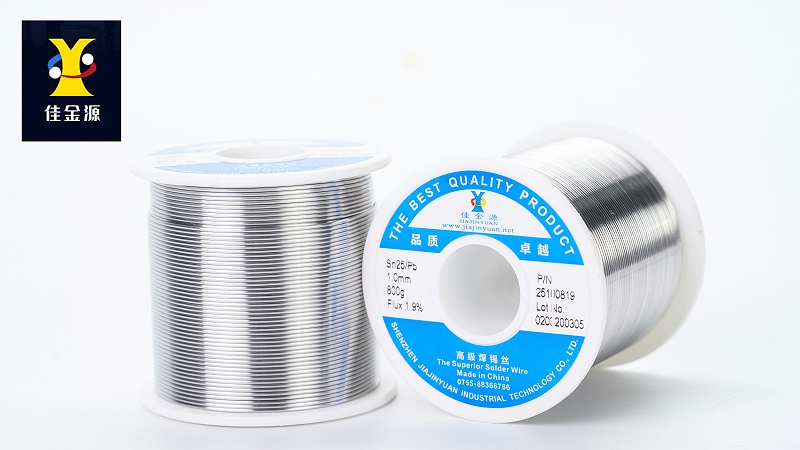
High-quality solder should be adopted, and the low-melting-point solder used for soldering electronic components should be selectedSolder wire.
The soldering iron should be placed on the soldering iron stand. Before application, tin should be applied. Then, heat the soldering iron until it can just melt the solder. Apply the flux and evenly coat the tip of the soldering iron with the solder to ensure that the surface of the tip is evenly coated with a layer of tin.
The way of welding It is to polish the solder layer and the pins of the components clean with water sandpaper and apply flux. Continue to use the tip of the soldering iron to add a small amount of solder, touch the solder joint, and wait until all the solder on the solder joint melts and penetrates the wire end of the component. Then, gently lift the tip of the soldering iron along the pin position of the electronic component to remove the solder joint.
Welding should not last too long, otherwise it is relatively easy to damage the components. Sometimes, a clean pair of tweezers should be used to pick up the pins to assist in heat dissipation. The weld points should be in the shape of sinusoidal wave peaks, with a bright and smooth surface and no sharpness.
The amount of solder should be just right and not vary too much. Excessive solder is of no use and will consume more expensive tin, relatively reducing the working speed. The worse situation is that in high-density power circuits, excessive tin is more likely to cause short circuit faults.
After the welding is carried out, it should be done with alcoholpcbClean up the residual flux on the circuit board thoroughly to prevent carbonized flux from endangering the normal operation of the power circuit.
Integrated circuit chips should be soldered at the end. The soldering iron should have a reliable grounding device, or after the power is turned off, the waste heat recovery should be used for soldering. It can also be a power socket with an integrated circuit chip type. After soldering the power socket, insert the integrated circuit chip into it.
Shenzhen JJYThe brand's solder wire has gone through many years12Annual research and development of solder paste, solder wire, low-temperature solder wire, solder wire, lead-free solder pasteThere is lead solder pasteManufacturers of solder paste and solder wire such as solder rods and leaded solder paste.